
Bank Indonesia Increases Intervention Dose to Stabilise Pressured Rupiah
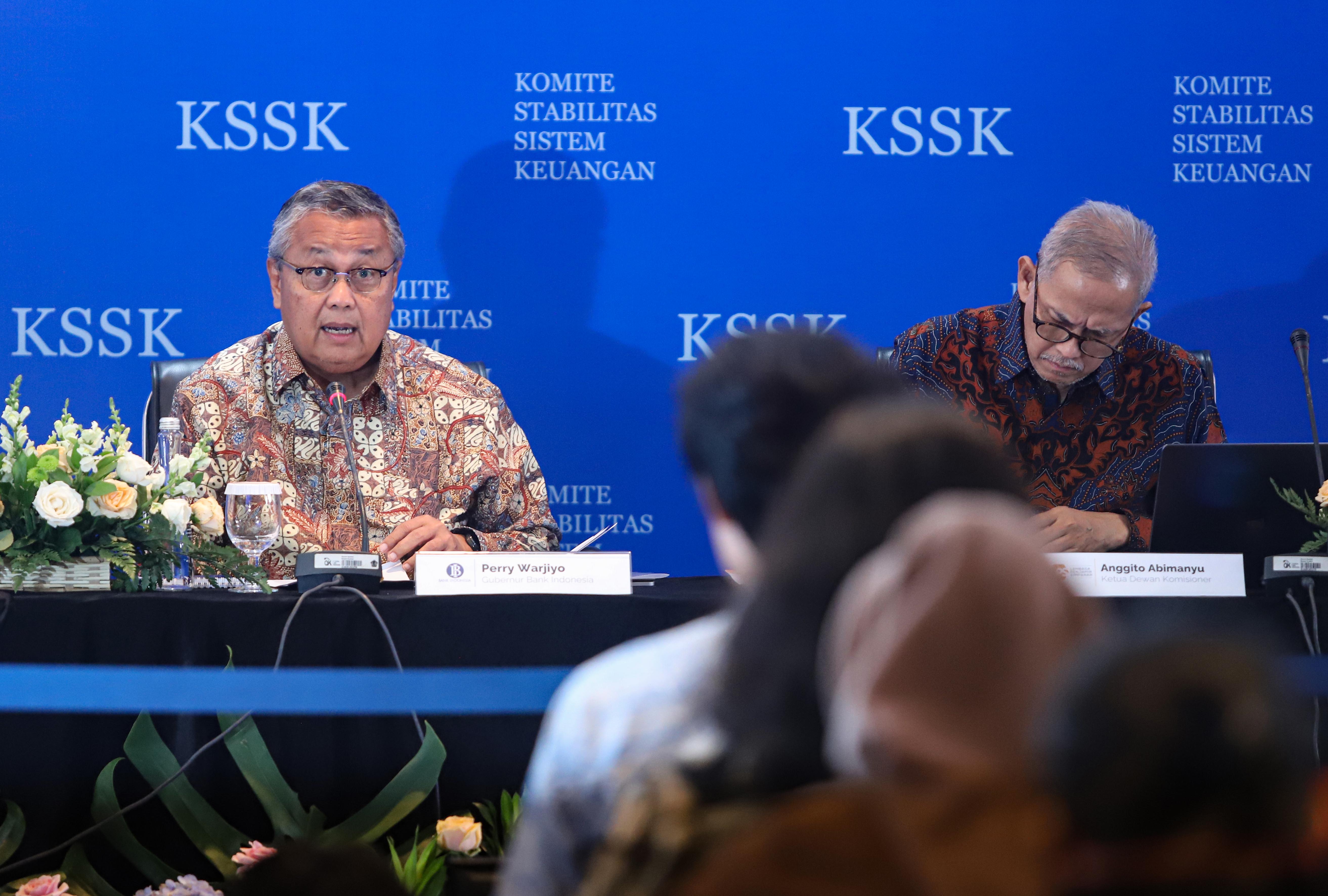
Bank Indonesia (BI) Governor Perry Warjiyo has stated that the central bank is increasing the intensity of interventions in the foreign exchange market to curb the rupiah’s weakening pressure. The exchange rate recently breached the level of Rp17,600 per US dollar.
“We have increased the dose, conducting forex interventions to stabilise the currency because the volatility is significant,” Perry said during a working meeting with Commission XI of the Indonesian Parliament, held online on Monday.
He explained that interventions are being conducted not only in the domestic market but also in overseas markets. This move has resulted in a decrease in foreign exchange reserves by approximately US$10 billion, although he noted this only reflects a portion of the interventions, particularly through spot transactions.
In addition to spot transactions, BI is also conducting interventions through other instruments such as swaps, hedging, and forwards. Perry noted that the largest portion of interventions actually stems from these instruments.
Furthermore, BI is adjusting monetary policy operations, including through the Bank Indonesia Rupiah Securities (SRBI) instrument, which has begun to attract foreign capital inflows after a period of outflows. BI is also actively conducting government securities (SBN) market operations in the secondary market to maintain liquidity. Last year, SBN purchases reached Rp332 trillion, with approximately Rp133 trillion recorded so far this year. This strategy aims to balance exchange rate stability with sufficient rupiah liquidity.
BI is also regulating forex transactions to strengthen stability, including a gradual reduction of the limit for dollar purchases without underlying documentation, which will decrease to US$25,000 starting in June. Simultaneously, the strengthening of Local Currency Transaction (LCT) frameworks is being encouraged, including cooperation with the yuan and the expansion of cross-border transactions.
Perry anticipates that pressure on the rupiah will remain high during the April–June period due to seasonal factors such as dividend payments, Hajj requirements, and foreign debt repayments. However, he believes the pressure will ease in the second half of the year, stating, “God willing, in July, August, and September, the rupiah will strengthen.”
He emphasised that fundamentally, the rupiah remains undervalued compared to macroeconomic projections. BI forecasts the exchange rate to be within the range of Rp16,200–Rp16,800 throughout 2026, with an average assumption of approximately Rp16,500.
On the global front, Perry highlighted high interest rates in the United States, rising US Treasury yields, and geopolitical tensions that are driving capital outflows from emerging markets. “This means there is capital flight from emerging markets to developed nations, particularly the United States,” he explained. This condition has strengthened the US dollar and pressured almost all global currencies, including the rupiah. BI is responding with a combination of intervention policies, interest rate adjustments, and liquidity management to ensure exchange rate stability without disrupting the domestic financial system.