
Bank Indonesia Governor Fit and Proper Test: Not Just About the BI Rate
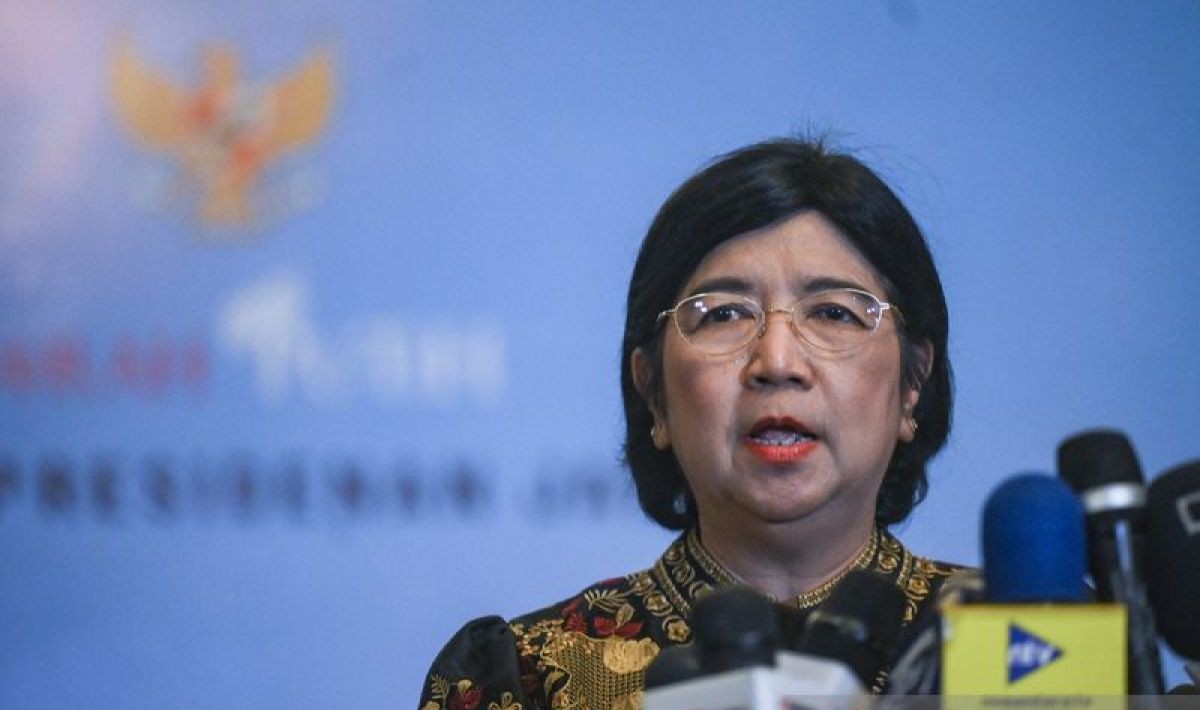
Ahead of the fit and proper test for the Bank Indonesia governor candidate, Trimegah Sekuritas Indonesia chief economist Fakhrul Fulvian believes the process should be a momentum to discuss larger issues. According to him, the substance of the examination should not merely be trapped in the direction of the benchmark interest rate policy (BI Rate), inflation, and the exchange rate in the short term.
Fakhrul explained that changes in the global economy in recent years have made the central bank’s mandate far more complex. Current phenomena show that inflation no longer always originates from the demand side, liquidity does not automatically transform into credit, and financial markets are increasingly dominant in determining financing conditions.
“In my view, what is being tested tomorrow is not just a candidate for Bank Indonesia Governor or the BI Rate. What is actually being tested is what kind of Bank Indonesia perspective we need going forward,” said Fakhrul in an official statement, quoted on Wednesday (26/8).
Although foundational principles such as independence, credibility, monetary discipline, and price and Rupiah stability must be maintained, Fakhrul stressed the need for evolution in how the central bank reads the economy. The main challenge ahead is implementing inflation targeting in a world that frequently experiences supply shocks.
He cited how climate change affects food, geopolitics alters energy prices, and trade fragmentation increases production costs. “Inflation of 3% because demand is too strong is different from inflation of 3% because of rice, world oil, or Rupiah depreciation. The number is the same, but the disease is different. Therefore the medicine should not always be the same,” he added.
Fakhrul asserted that interest rates remain the primary instrument, but cannot solve all economic problems. Interest rates are effective in reducing demand, but cannot address supply shortages caused by external or natural factors. “The challenge of a modern central bank is to make a diagnosis before determining the medicine,” he explained.
Furthermore, Fakhrul highlighted the importance of the next BI Governor distinguishing between the policy rate and the real financial conditions faced by the business world. He noted that the BI Rate could remain unchanged, yet corporate financing burdens could swell if government bond yields rise, the Rupiah weakens, and risk premiums increase.
“Policy stance is not always the same as the policy rate. The BI Rate may not change by a single basis point, but if government bond yields rise by 100 basis points, the Rupiah weakens and risk premiums increase, for the business world the monetary conditions have actually tightened,” Fakhrul explained.
Conversely, a BI Rate cut does not necessarily provide easing if global pressures push domestic yields and the US dollar higher. Therefore, BI is expected to increasingly understand the complex interactions between interest rates, asset prices, collateral, and the balance sheets of companies and households.
“Financial markets are no longer merely the place where monetary policy ends. Markets have become part of the policy transmission mechanism itself,” he concluded.
The central bank’s task is now no longer limited to safeguarding monetary stability, but is also required to play an active role in driving national economic growth.