
Bank Indonesia Equips Digital Talent to Strengthen AI Utilisation
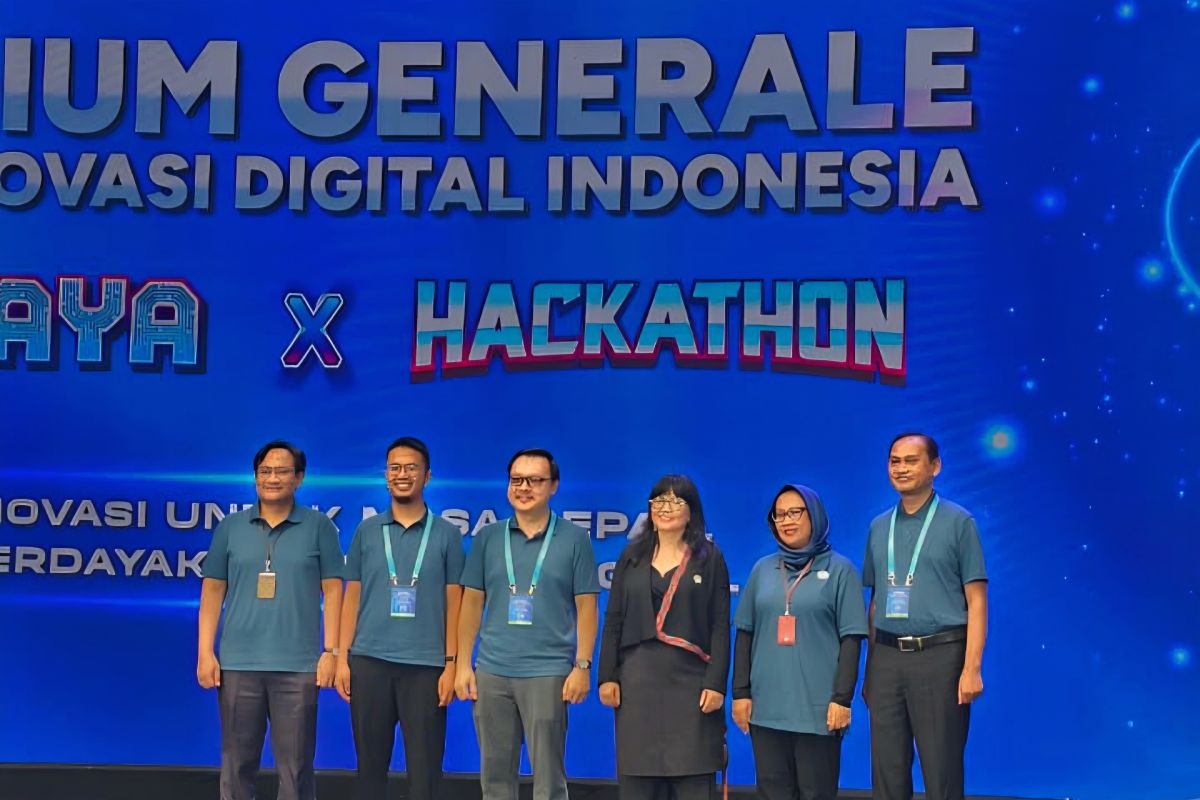
Badung, Bali (ANTARA) - Bank Indonesia (BI) continues to strengthen national digital talent development to encourage the optimal and productive utilisation of artificial intelligence (AI).
This effort is being carried out through a national initiative titled “PIDI-DIGDAYA x Hackathon 2026”, which focuses on bolstering digital innovation and entrepreneurship among the youth.
Bank Indonesia Governor Perry Warjiyo, in a statement received in Badung, Bali, on Thursday, said that through this programme, BI is equipping young digital talent with technical competencies in digital innovation and entrepreneurship.
“This is a momentum for all of us to change, learn, and utilise artificial intelligence (AI) for various beneficial purposes,” Perry stated.
The PIDI-DIGDAYA x Hackathon 2026, held at the end of April in Jakarta, is a national initiative spearheaded by Bank Indonesia in collaboration with the Financial Services Authority (OJK), industry players, and various strategic partners to support the digital transformation of Indonesia’s economy and finance.
In the Studium Generale session of PIDI themed Shaping Indonesia’s Digital Minds: Building Talent for an Innovation-Driven Economy, Deputy Minister for Higher Education, Science, and Technology Stella Christie emphasised the importance of preparing digital talent capable of utilising and critically evaluating AI technology.
Referring to various global projections, including those from the World Economic Forum, it is estimated that by 2030, around 170 million new jobs will be created.
However, approximately 92 million jobs are also projected to be impacted or lost, while about 39 percent of workers’ core skills are expected to undergo changes.
“Digital transformation begins with the way of thinking, not the technology. Amid such rapid changes, we must not get caught up in the hype. What needs to be developed are human-centred skills, such as creative and analytical thinking, talent management, leadership, and adaptability. If we do not want to be replaced in the short term, we must train skills that are not easily replicated by AI,” Stella explained.
Meanwhile, amid the strengthening of the digital talent ecosystem, financial technology company Flip shared its experience in building innovation based on real societal needs.
Flip Co-Founder Rafi Putra Arriyan, in the session Turning Mindset into Real-World Innovation, said that innovation does not always stem from big ideas, but from a deep understanding of the problems truly experienced by users.
“Flip started by providing an innovative solution to one of the most real financial problems, namely sending money. However, as we increasingly understand user needs, true innovation occurs when we stay close to them and comprehend their requirements. In that way, we can identify various other related problems, from the way they shop to saving,” he said.
Beginning with a simple solution to eliminate interbank transfer fees, Flip has now expanded to offer various services, from daily needs payments and international transfers to features integrated with the national digital ecosystem. Currently, Flip serves more than 16 million users in Indonesia.
According to Rafi, many innovations fail to develop because they are only appealing in concept but do not address real market needs. Therefore, understanding user pain points becomes the primary factor in building sustainable innovation.
“Start small mindset. We used to think innovation meant creating something that has never existed before. It turns out that the most difficult innovation is providing solutions that remain relevant to problems that keep changing. For us, innovation requires courage, humility, collaboration, and patience,” Rafi said.