
Bank Indonesia: Digital economy acceleration increases amidst geopolitical risks
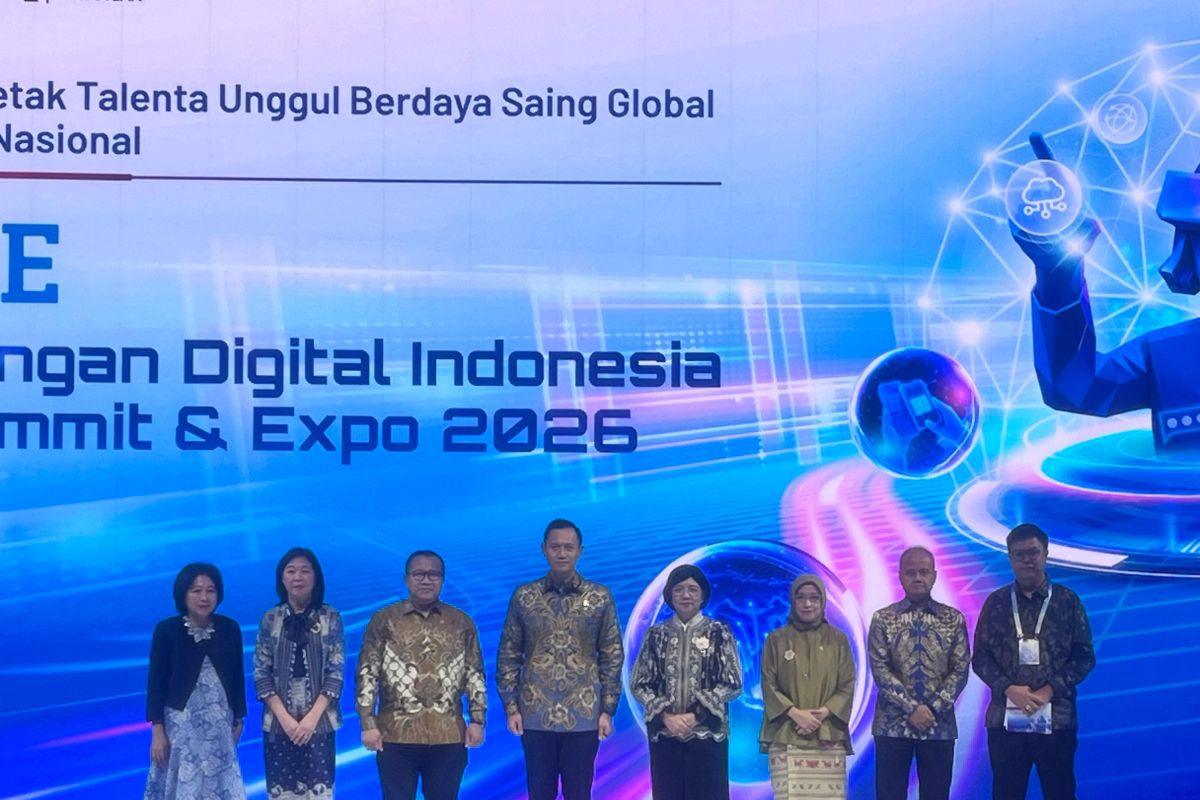
The acceleration of Indonesia’s digital economy and finance continues to increase, both in terms of payment systems and all transactions within the economy, including the utilisation of digitalisation and Artificial Intelligence (AI). This growth is occurring amidst geopolitical risks, a global economic slowdown, and high inflation in advanced economies, which have impacted capital flows to emerging countries, including Indonesia, stated Bank Indonesia (BI) Governor Destry Damayanti.
She spoke during the Digital Economy and Finance Festival (FEKDI) x Indonesia Fintech Summit & Expo (IFSE) in Jakarta on Thursday. The foundations of the Indonesian economy are considered relatively strong, with economic growth of 5.45 per cent in the first half of 2026, inflation at 3.19 per cent, and the volatility of the rupiah exchange rate remaining controlled despite pressure from the US dollar on various emerging market currencies.
Furthermore, she emphasised that the digital economy being built must be based on trust, with robust security protections in governance and consumer protection. In this context, Destry noted that innovations regarding payment systems provided by BI have shown extraordinary development.
“Since we initiated QRIS, and then BI-FAST, the development has been extraordinary, so we have included them in our 2030 payment system blueprint,” said the BI Governor.
The transformation of the payment system targets three areas: transactions must be fast, easy, cheap, high-quality, and trustworthy; an industry that is healthy and interconnected; and infrastructure that possesses a secure, reliable system ready to meet future economic needs.
In an effort to make the payment system a driver of Indonesia’s economic growth, BI is committed to unifying national digital infrastructure, connecting the business sector, the financial sector, and the government, as well as building standards that allow the entire ecosystem to be connected and communicate using a common language.
Several areas that will be the focus of BI moving forward include strengthening retail and wholesale payment infrastructures through BI-FAST and BI-RTGS Generation III, as well as data infrastructure to support increasingly efficient, reliable, and integrated transactions.
The next area is industry strengthening, particularly in terms of human resource capability, risk management, the reliability of information technology infrastructure, and supervision, to ensure Indonesia’s payment system becomes increasingly secure and resilient.
Thirdly, there is a commitment to consistency in driving various digital payment innovations, such as QRIS and the Indonesian Credit Card (KKI), alongside innovations to expand public acceptance, supported by strengthened literacy and consumer protection.
Furthermore, BI aims to expand international connectivity, including through cross-border QRIS and the interconnection of retail fast payment infrastructure through Nexus.
“The transformation of the digital economy and finance is not just about adopting new technology. The transformation of the digital economy and finance is ultimately about people—about how technology can ease our daily lives, open access for more business actors, and create broader opportunities for all people across Indonesia,” Destructively concluded.
Source: jawawa.id (https://jawawa.id/newsitem/bank-indonesia-digital-economy-acceleration-increases-amidst-geopolitical-risks-1790244495)
Originally published by Antara (Indonesian) (https://www.antaranews.com/berita/5756585/bi-akselerasi-ekonomi-digital-meningkat-di-tengah-risiko-geopolitik), translated from Indonesian