
Bank Collapse Sparks Outcry: Rp45 Trillion in Customer Deposits Trapped, Funds Allegedly Sent to Three Countries
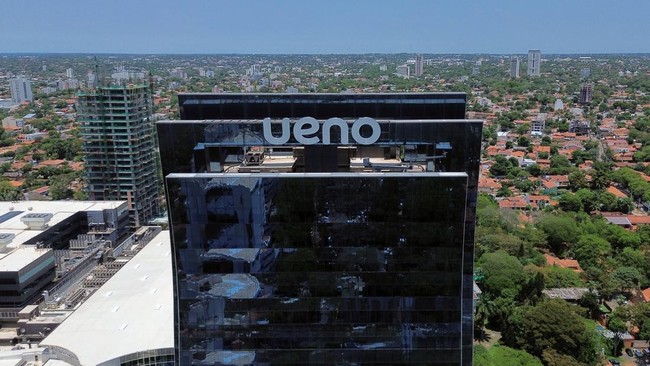
Jakarta, CNBC Indonesia — A banking crisis has erupted in Paraguay after digital bank Ueno Bank collapsed, leaving millions of customers unable to access their savings.
Of approximately US$2.8 billion, equivalent to Rp44.8 trillion, in deposits, only a small portion has so far been returned. By Monday, Paraguay’s central bank had paid about US$335 million, or Rp5.36 trillion, to more than 1.7 million depositors, while most customer funds remained inaccessible.
According to AFP on Wednesday (11 November 2026), Ueno Bank’s collapse has not only made it difficult for people to access their accounts but has also implicated several senior state officials. President Santiago Peña was impeached on Friday over his alleged connection to the crisis.
How much money is at stake, and where did it go?
Rp44.8 trillion in customer deposits tied up
In less than three years, Ueno Bank accumulated deposits of around US$2.8 billion, or Rp44.8 trillion. José Maciel, director of the deposit guarantee fund at Paraguay’s central bank, said about 71% of the total came from the private sector.
The rest consisted of public-sector funds, particularly money belonging to the Social Security Institute (IPS). After Ueno Bank was taken over on 3 November 2026 because of serious solvency problems, the fate of those funds became uncertain.
The public funds caught up in the collapse have also become a major concern. The IPS, which manages pension funds and healthcare services for more than 1.5 million people, reportedly had about US$516 million, or Rp8.26 trillion, deposited with Ueno Bank.
Only Rp5.36 trillion returned so far
The Paraguayan government has activated its deposit guarantee scheme to repay customers. The fund protects deposits of up to about US$37,000, or Rp592 million, per depositor at a single banking institution.
Emergency legislation passed after Ueno Bank collapsed allows an initial payment of up to about US$19,000, or Rp304 million, within one week. The remaining payments are scheduled for the following week.
By Monday, Paraguay’s central bank had distributed about US$335 million to more than 1.7 million depositors. That represents 93.1% of the customers eligible for payment in that phase, although it does not mean their entire deposits have been repaid.
Before its collapse, Ueno said it had more than three million customers. The bank expanded rapidly to become one of Paraguay’s largest financial institutions. The central bank identified around 1,867,000 Ueno customers eligible to access deposit-guarantee funds.
Maciel estimates that the guarantee fund can repay only about US$740 million, or Rp11.84 trillion — equivalent to 27% of Ueno’s total deposits. “The rest will have to wait for the bank’s resolution process,” Maciel said in an interview on Tuesday.
Large depositors, including companies, organisations, volunteer fire brigades and government institutions, must wait for further resolution proceedings. The IPS is among them, with about US$516 million, or Rp8.26 trillion, held at the bank.
IPS investment director Hugo Díaz said the recovery of pension funds would depend on the transfer of Ueno’s assets and liabilities to another financial institution, as well as the recovery of loans previously issued by the bank. Paraguay’s new president, Pedro Alliana, said recovering the pension funds would be a government priority.
Funds allegedly channelled to three countries
As efforts to repay depositors continue, Paraguayan prosecutors are investigating allegations that funds were transferred overseas. They have sought assistance from authorities in three countries: the United States, Luxembourg and Argentina.
Prosecutor Manuel Doldán said his office had been in contact with authorities in all three countries to identify assets belonging to individuals and companies under investigation, including former president Santiago Peña.
On Monday, investigators raided a Ueno Bank branch and seized documents relating to Peña’s investments. Prosecutors used the documents to request the freezing of cryptocurrency assets in Luxembourg.
Authorities also searched two homes belonging to the 47-year-old Peña. On Tuesday, investigators managed to open one of his safes but found nothing inside.
Investigators also seized documents from the home of Carlos Carvallo, the former head of Paraguay’s central bank, who resigned at Peña’s request after the Ueno crisis. Carvallo had previously served as Ueno’s chairman. Both Peña and Carvallo are now being held pending trial.
Peña previously held shares in Ueno’s parent company before selling his stake last year. He is accused of using his influence as president to direct millions of dollars in government deposits to Ueno Bank.
He is also alleged to have concealed or played down the bank’s financial problems despite warnings about the quality of its loans and its solvency. Peña denies all the accusations.
Source: jawawa.id (https://jawawa.id/newsitem/bank-collapse-sparks-outcry-rp45-trillion-in-customer-deposits-trapped-funds-allegedly-sent-to-three-countries-1794365433)
Originally published by CNBC Indonesia (https://www.cnbcindonesia.com/news/20261111080811-4-784089/heboh-bank-kolaps-rp45-t-uang-nasabah-nyangkut-dana-lari-ke-3-negara), translated from Indonesian