
Banjarmasin Prison Cultivates Red Claw Lobster for Business Diversification
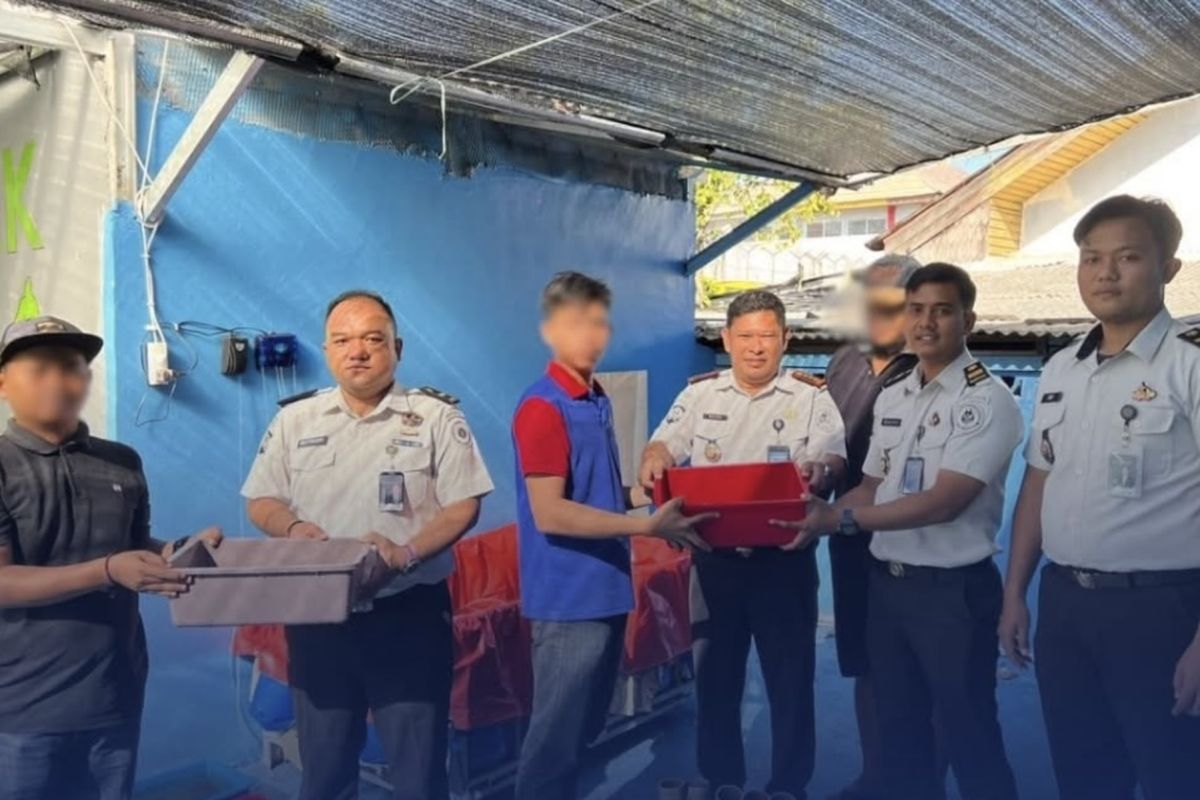
Lapas Kelas IIA Banjarmasin, South Kalimantan, is developing the cultivation of 80 Red Claw freshwater lobster seeds at its Assimilation and Education Facility (SAE) 2 as an effort to diversify its fisheries business and support the food security programme. Head of Lapas Kelas IIA Banjarmasin Akhmad Herriansyah stated on Saturday that the Red Claw lobster cultivation represents a new step to expand the productive fisheries commodities already operating within the prison, which include various types of freshwater fish. “We are trying to branch out into a new field, namely freshwater lobster cultivation. Previously, we successfully developed the cultivation of catfish, tilapia, pangasius, gourami, and climbing perch,” he said. He expressed hope that this fisheries diversification can develop optimally and increase the productivity of the rehabilitation programme while providing new skills to inmates that can be used as a foundation for entrepreneurship upon their return to society. “Freshwater lobster commodities have promising economic prospects because they have a relatively high selling value and continuously growing market opportunities, making them a potential productive business unit that supports the independence training of inmates,” he said. In addition to producing fisheries products, the programme also serves as a learning tool for inmates to understand cultivation techniques, maintenance, and business management oriented towards increasing added value and productivity. Head of the Work Activities Section at Lapas Kelas IIA Banjarmasin, Bagus Paras Etika, said the Red Claw lobster cultivation is part of the development of the independence training programme, which is continuously expanded according to the potential of the prison’s facilities and resources. He noted that the development complements a number of ongoing fisheries activities at Banjarmasin Prison and is part of the effort to present a productive, innovative, and sustainable rehabilitation programme to support national food security while enhancing the economic capacity of inmates. “Red Claw freshwater lobster cultivation is both a challenge and a new opportunity. With proper mentoring and care, this programme is expected to run optimally and add to the variety of skills possessed by inmates in the fisheries sector,” said Bagus.