
Banjarangkan Integrated Waste Treatment Site Tightens Waste Sorting Before TOSS Centre Entry
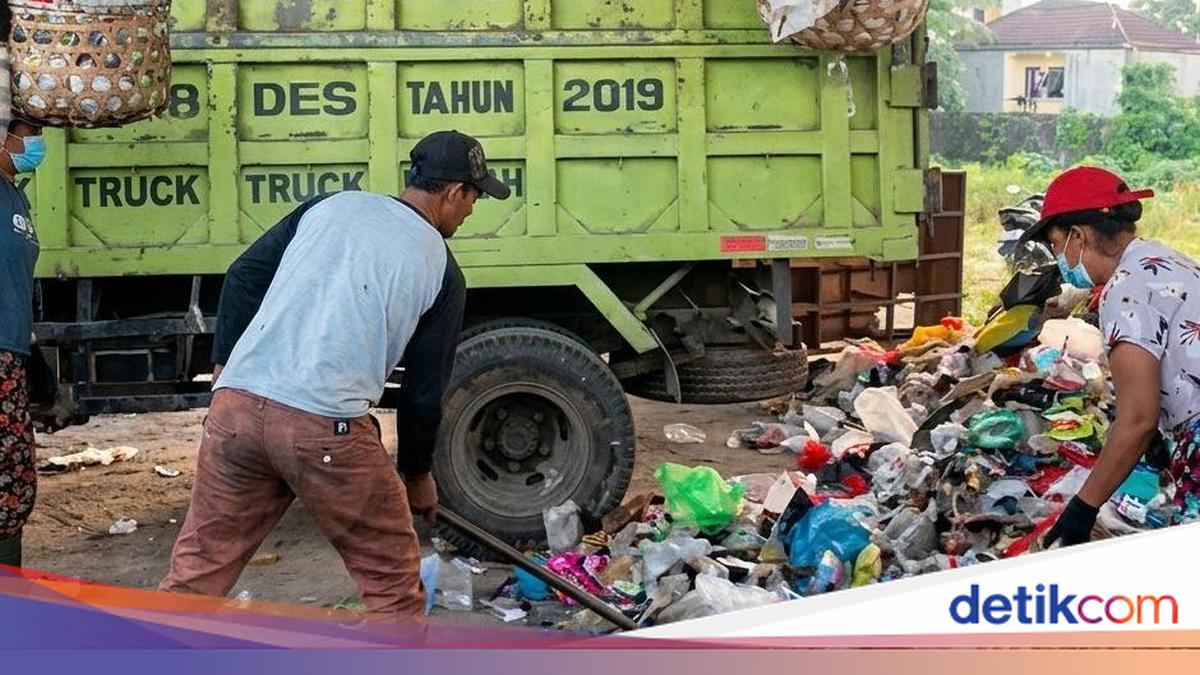
The Integrated Waste Treatment Site (TPST) in Banjarangkan Village, Banjarangkan District, Klungkung, Bali, is tightening its waste sorting system at the household level. TPST officers will now only collect waste that has been pre-sorted by residents before it is transported to the Karangdadi TOSS (Local Waste Processing) Centre in Kusamba Village.
The Village Head of Banjarangkan, Anak Agung Gde Indrawan Diputra, emphasised that this step was taken to support the source-based waste management programme and to comply with the regulations for waste delivery to the TOSS Centre.
“We ensure that the waste collected by TPST officers has truly been sorted at residents’ homes. If it has not been sorted, our officers will not collect it,” Indrawante told detikBali on Tuesday (1/9/2026).
Indrawan explained that the sorting focuses on organic and non-organic waste categories. Organic waste is processed into compost or animal feed, while economically valuable non-organic waste is channelled to waste banks.
He added that TPST officers have been routinely providing direct education to local community units (banjar) to familiarise residents with the sorting process. According to him, the volume of waste entering the Banjarangkan TPST reaches 2 tonnes per day.
Indrawan noted that waste accumulation could reach 14 tonnes per week if the TPST is not strictly managed at the household level. He hopes that public awareness regarding waste sorting will continue to increase.
“If waste is already sorted at the household level, the processing burden downstream, such as at the TOSS Centre, will be significantly reduced and the process will become faster,” he asserted.
The Head of the Klungkung Environmental and Land Services Agency (DLHP), I Dewa Komang Aswin, stated that the acceptance of residual waste from villages is now scheduled on a limited basis. Aswin emphasised that waste received at the TOSS Centre must be pre-sorted.
“Since last Monday (10/8), we have been receiving inorganic and residual waste from villages according to the schedule we provided. Every day, there are four villages, each contributing 1 tonne per village,” said Aswin.
It is noted that the handling of residual waste at the TOSS Centre is now supported by a pyrolysis machine with a capacity of approximately 8 tonnes per hour. This machine, sourced from abroad, is expected to operate at maximum capacity so that waste issues in Klungkung can be addressed more rapidly.