
Bangka Belitung Quarantine Agency Optimises Technology-Based Supervision
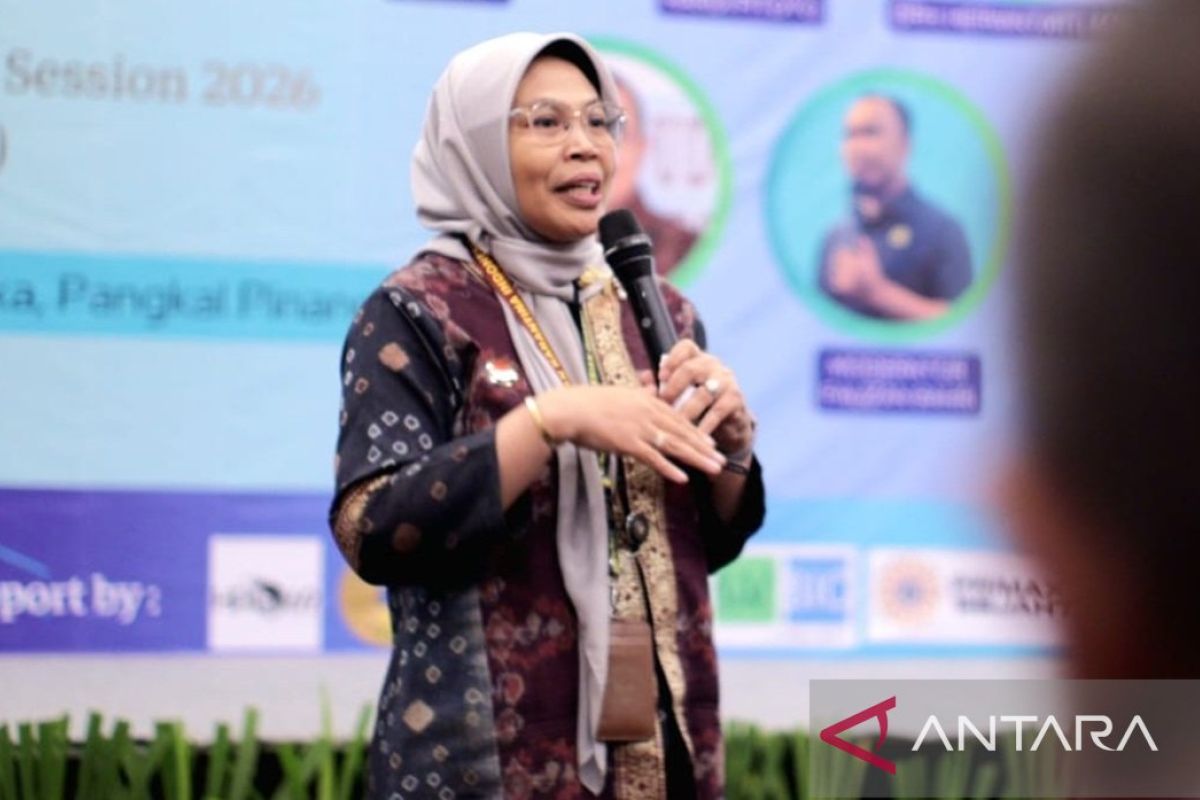
Supervision of the traffic of animals, fish, plants and their derivative products has now shifted from conventional patterns to a technology-based approach.
“Currently, supervision of the traffic of animals, fish, plants and their derivative products has shifted from conventional patterns to a technology-based approach,” said Herwintarti, Head of the Bangka Belitung Quarantine Agency, in Pangkalpinang on Friday.
She said this technology-based supervision is evident in the integration of several interconnected main systems. One of them is the implementation of SSMQC (Single Submission Management Quarantine Compliance) as a compliance control tool for quarantine services.
“This system helps and ensures that every application, inspection and quarantine action is recorded and verified systematically. There are no longer any processes running ‘outside the system’,” she said.
She stated that the Bangka Belitung Quarantine Agency is also promoting the implementation of a less-paper concept through the Best Trust application to strengthen real-time service control, combining SSMQC, less-paper through Best Trust and CCTV support to build a more modern and measurable supervision pattern.
“We are not merely following digital trends, but ensuring that every work process can be monitored, evaluated and accounted for openly,” she said.
According to her, the direction of this technology-based supervision shows a fairly clear shift, namely from supervision based solely on trust towards supervision based on data and tangible evidence.
“Every activity leaves a digital trail that can be traced at any time, and this is important to ensure accountability, especially in public services that are vulnerable to unhealthy practices if not properly supervised,” she said.
She added that the strengthening of supervision is also visible in the use of CCTV in service rooms. The cameras are not installed merely as a formality but for monitoring and evaluation, allowing management to see service conditions in real time, evaluate interactions between officers and service users, and ensure there are no procedural deviations.
“The use of CCTV in service rooms is an effort to support measurable and responsive services. It also ensures that services run in accordance with the applicable SOP,” she said.
She emphasised that this approach is not merely about reducing paper use, but about changing working methods to be more efficient and well documented.
“Digital documents are easier to trace, faster to process and reduce the risk of data loss or manipulation. The impact is not only efficiency, but also transparency,” she said.