
Bandung's Cicaheum Bus Terminal, Known from 'Preman Pensiun', Closes Today
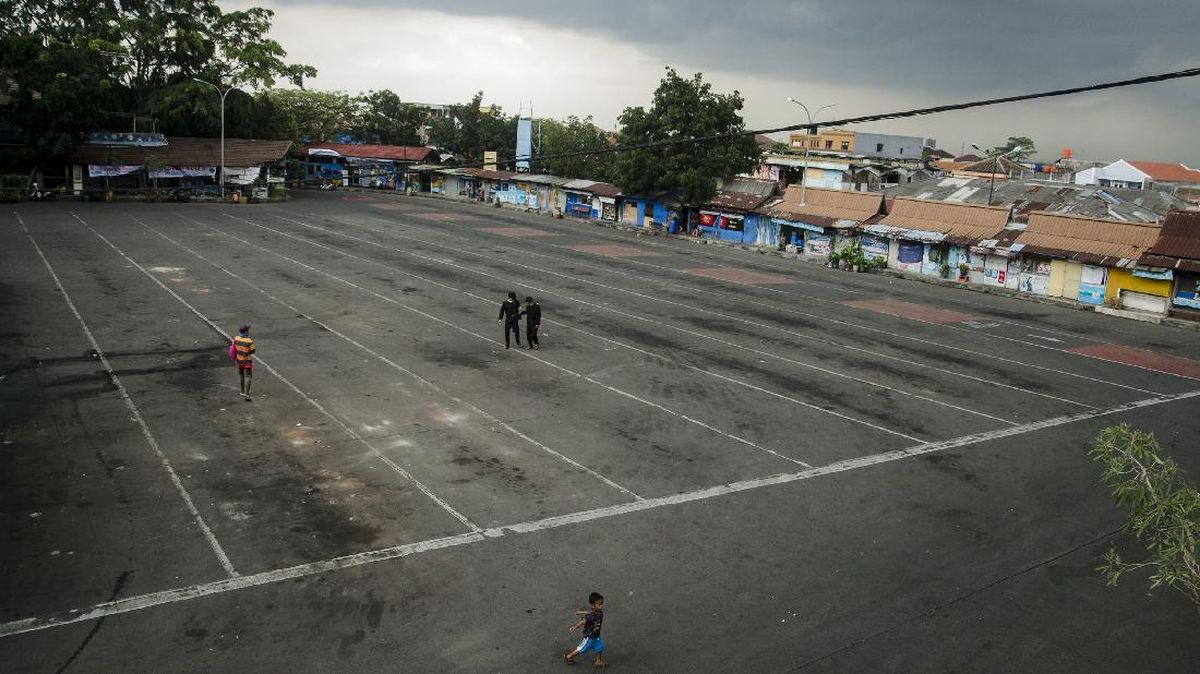
A new era for public transport services in Bandung, West Java, began today with the closure of the Cicaheum Terminal. As of Friday (26/6), the terminal, which has been operating since 1975, has officially stopped all intercity and interprovincial (AKAP and AKDP) bus services. The Bandung City Transportation Agency has redirected all these routes to Leuwipanjang Terminal, located approximately 9 kilometres away. In popular culture, Cicaheum Terminal is known as a filming location for the television series ‘Preman Pensiun’, featuring iconic spots such as the food stalls, bus parking area, and city transport (angkot) waiting zones. The closure was announced by the Bandung Transportation Agency via its official Instagram account on Thursday (25/6), requiring public transport users, especially those from the eastern part of the city, to adapt to the change. The agency also reminded prospective passengers to carefully check schedules to avoid missing their bus at the new location. Head of the Bandung Transportation Agency, Rasdian, stated that although the terminal is officially closed for AKAP and AKDP services, traders who earn their living there are temporarily allowed to continue selling. He explained that compensation for the traders is still being coordinated. ‘Traders are still allowed to sell because they haven’t received compensation yet,’ he said, adding that the compensation scheme is the full responsibility of the Bandung City Government and is still under serious discussion. ‘The discussions still have some issues to be resolved, calculations are being done by a consultant, and a draft has been made,’ he added. Rasdian warned that any buses still entering the Cicaheum Terminal would be forced to turn around. However, monitoring on Friday afternoon showed that some public transport fleets were still visiting or transiting at the terminal. While the bus parking area appeared deserted, some buses were observed stopping temporarily to pick up passengers who still came to the location. One driver, Dodo, explained that administratively his bus operations had moved to Leuwipanjang Terminal. ‘We have moved to Leuwipanjang, we only transit here because there are still passengers to pick up,’ he said. He added that activity at the location would completely cease once the physical construction project in the terminal area begins. Meanwhile, for elf transport serving the East Priangan route, many drivers chose not to enter the terminal area, instead parking and waiting for passengers on the road shoulder outside. All AKAP and AKDP bus services previously operating from Cicaheum Terminal have now officially moved to Leuwipanjang Terminal. The head of Leuwipanjang Terminal, Asep Hidayat, confirmed that preparations, including the arrangement of bus lanes, passenger waiting rooms, and other supporting facilities, were made well in advance. ‘We have prepared the staging areas and departure lanes, as well as passenger rest areas and lounges, long ago,’ he said. According to Asep, the fleet relocation process from Cicaheum is almost complete, with around 90 percent of bus companies already operating from Leuwipanjang. ‘The rest, about four to five companies, will follow, with City Trans starting on the 2nd of next month and Goodwill having just entered yesterday,’ he stated. To prevent congestion inside the terminal, management has implemented a scheduled arrival system, where buses are only allowed to enter according to their departure times. For passengers accustomed to departing from Cicaheum, Asep assured that access to Leuwipanjang Terminal is supported by various connecting transport modes, including the Metro Trans Jabar (MGT) service, Damri buses, and the Cicaheum-Leuwipanjang TMB route. Previously, Cicaheum served as the city’s eastern gateway for bus fleets, while Leuwipanjang was the western gateway, including routes to Jakarta.