
Bandung Mayor Urges Students to Help Manage Waste
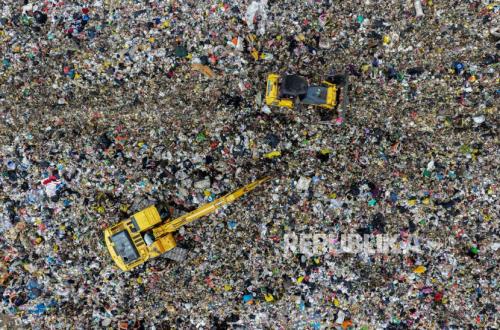
The Bandung City Government is strengthening waste management at source to reduce pressure on its final disposal site. The effort is a priority, aimed at minimising the volume of waste sent to the site by addressing it at neighbourhood level.
One of the main priorities is processing organic waste within communities. Bandung Mayor Muhammad Farhan said controlling waste at source was important because much of the pressure on the final disposal site could be eased if waste were handled at neighbourhood level.
“Waste is now entirely our responsibility at source. Why? Because if we are to reduce pressure on the final disposal site, we also have to control what happens upstream,” Farhan said on Thursday (15 October 2026).
One initiative already under way is the Gaslah programme. Its workers not only manage waste but also educate residents about sorting and processing it. The programme currently has the capacity to process around 70 tonnes of organic waste a day.
The city aims to increase that capacity to around 200 tonnes of organic waste a day. To support the expansion, the Bandung City Government is also seeking collaboration with universities.
Students are being encouraged to take part through community service programmes, helping to sort and process waste at neighbourhood level. Farhan said a trial involving students in Arcamanik had produced very good results, and the programme would be replicated in other areas.
“The trial in Arcamanik was very successful, so we will replicate it in several other places,” he said.
The city government will also promote the construction of compost pits at the RW (community unit) level. Each facility is designed to process organic waste in a space measuring about 1 by 1 metre and around 2 metres deep.
Each RW is expected to have three compost pits. With around 1,600 RWs in Bandung, the plan would provide approximately 4,800 pits.