
Bandung Faces Waste Crisis as City Government Seeks Emergency Status
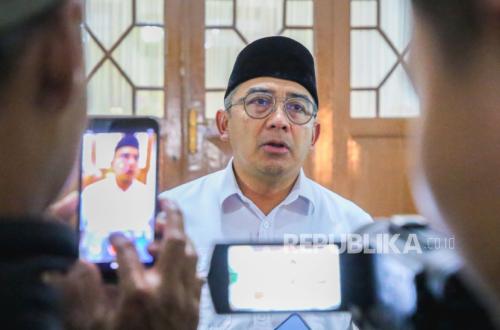
Bandung City Government has requested an emergency waste status declaration from the West Java Provincial Government following increased pressure on waste management systems during the extended holiday period. Mayor of Bandung Muhammad Farhan said a surge in community activity and tourist visits since the Eid holidays through consecutive long weekends has significantly increased daily waste volumes. “During this holiday season, from Eid to consecutive long weekends, the environmental carrying capacity has been severely strained. Waste management is one of our biggest challenges,” Farhan said in Bandung on Monday, 1 June 2026. Farhan added that the situation has further strained Bandung’s waste management system, which currently relies on the Sarimukti Final Processing and Treatment Facility (TPPA). He explained that Bandung has no dedicated landfill, so waste handling capacity depends entirely on the residual disposal quota allocated by the West Java Provincial Government to the Sarimukti TPPA. Farhan praised the West Java Governor’s decision to increase waste transport quotas to Sarimukti, noting it has helped prevent larger waste build-ups across the city. “We can manage processing to the best of our ability, but residual waste still requires provincial government support as management authority for the Sarimukti TPPA lies at the provincial level,” he said. Bandung City Government is currently awaiting the West Java Provincial Government’s decision on the emergency status request, which aligns with criteria set by the Ministry of Environment. Farhan stated that if the emergency status is declared, local authorities would have greater flexibility to implement emergency policies to accelerate waste management efforts. “If declared, local government can take various emergency policy measures to expedite waste handling,” he said. He stressed that waste issues cannot be solely the government’s responsibility, and public participation in reducing and sorting waste at source is crucial to resolving the problem.