
Bandung DPRD Urges Formation of a Code of Ethics for Social Media Content Creators
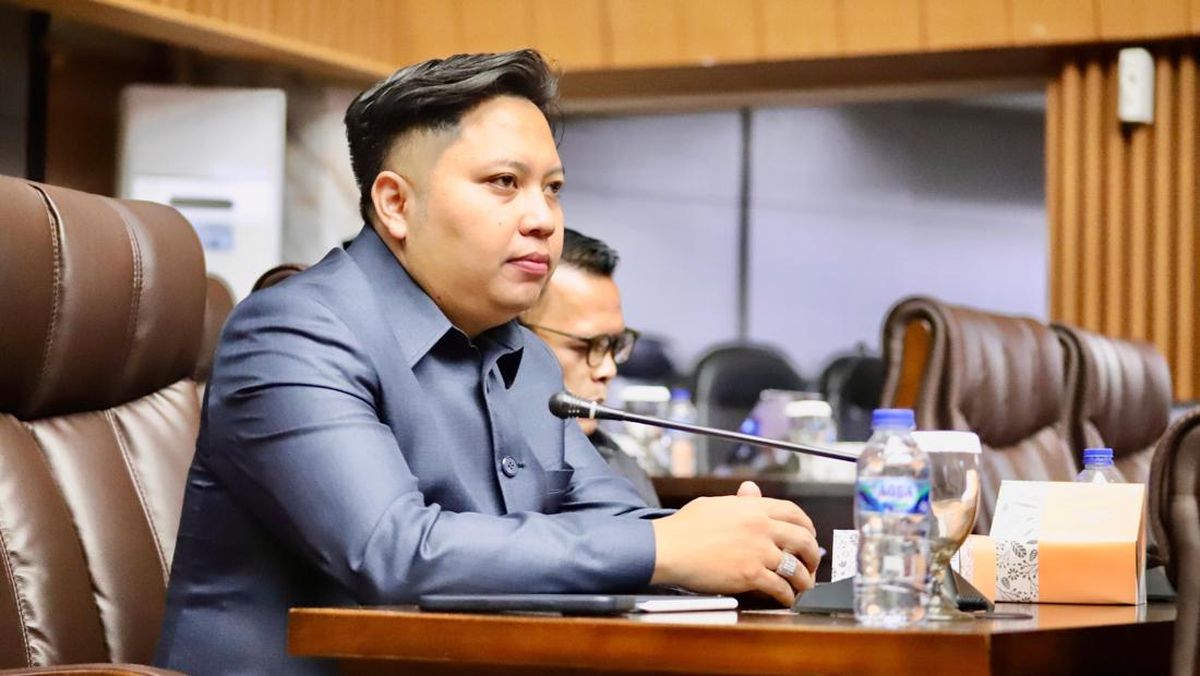
The Bandung City DPRD’s I Commission is urging cross-sector collaboration to tighten oversight of the digital space while drafting a formal code of ethics for social media practitioners and digital content creators. The call comes amid rapid developments in digital technology and social media, accompanied by widespread disinformation, sensational content, and the exploitation of individuals’ expressions for the purposes of virality and material gain.
Chairman of the I Commission, Radea Respati, says there are increasing practices of recording, editing, disseminating, and monetising a person’s expression without clear consent. Content is being deliberately packaged with elements of extremism, emotional exploitation, and sexually charged material to chase public interaction.
According to Radea, social media influencers currently hold a significant sway over public opinion and societal behaviour. Therefore, digital ethical standards are needed as a common guide to create a space of information that is healthy, educational, and responsible. Without strict oversight, the digital space risks becoming a venue for arbitrariness that harms the public through the supply of misleading and unfit information.
Moreover, the Bandung City DPRD’s I Commission calls for the ethics code for social media practitioners and content creators to be drafted by adopting the core principles of journalism, traditionally bound by the Code of Journalistic Ethics.
The ethics code is regarded as essential to building moral and social responsibility in the use of digital media, including ensuring information accuracy; preventing the spread of hoaxes and disinformation; and respecting privacy and individual expression. Furthermore, content must not exploit children, women, or vulnerable groups; and must avoid sensational content and material with sexual content.
In addition to the activities of content creators generally, the I Commission also highlights the phenomenon of social media use by some regional leaders. The publication of government performance in the digital space is often packaged in an overly dramatic and emotional manner to boost personal popularity.
This pattern of cyber communication is feared to blur the line between substantive public information and personal political image-making.
Radea emphasised that public officials’ use of social media can be a positive tool for openness and engagement with citizens. However, digital accountability must prioritise the ethics of public communication, professionalism of the office, and the protection of citizens’ privacy.
“Let the digital space of government not become one of sensationalism. The public needs substantive, educational information that provides solutions, but not at the expense of pursuing virality,” said Radea.
The urgency of regulating cyberspace is also believed to be closely linked to legal compliance. Under the Personal Data Protection Act (PDP), visual components such as photographs, faces, and an individual’s identity are personal data whose use must be based on consent and a legitimate purpose.
Separately, the Information and Electronic Transactions Law (UU ITE) also strictly regulates the legal consequences of disseminating misleading content, violating morals, or defaming others.
The digital space is also replete with information manipulation practices such as “giveaway by design.” In this scheme, goods are marketed with narratives that they are authentic and high quality, whereas in reality they are counterfeit and do not reflect the facts. This veiled fraud is seen as widening disinformation and misleading consumers.
At the central level, the Bandung City DPRD’s I Commission applauds the government’s move to tighten rules through Government Regulation Number 17 of 2025 on Tunas Komdigi and the implementing regulations of Permen Komdigi Number 9 of 2026. These regulations provide concrete operational mandates on digital platforms, from filtering negative content, to age restrictions, to protecting children’s data, to family mode, and to features to prevent digital addiction (doom scrolling).
As a concrete local step, the Bandung City DPRD’s I Commission actively collaborates with the Department of Communications and Information, law enforcement agencies, digital communities, educational institutions, and the management of digital platforms. This collaboration focuses on drafting a local code of ethics and delivering widespread digital literacy education to the younger generation so cyberspace does not merely become a short-term profit-seeking arena.
“Technological development must be balanced with legal awareness and digital ethics. Freedom of expression must not become exploitation that harms others or misleads the public. Therefore a collective commitment is required, including the drafting of a code of ethics for social media practitioners, just as with the code of journalistic ethics,” concluded Radea Respati.