
Bandung City Government Supports RSHS and RSAB Harapan Kita in Strengthening Early Detection of Thalassemia
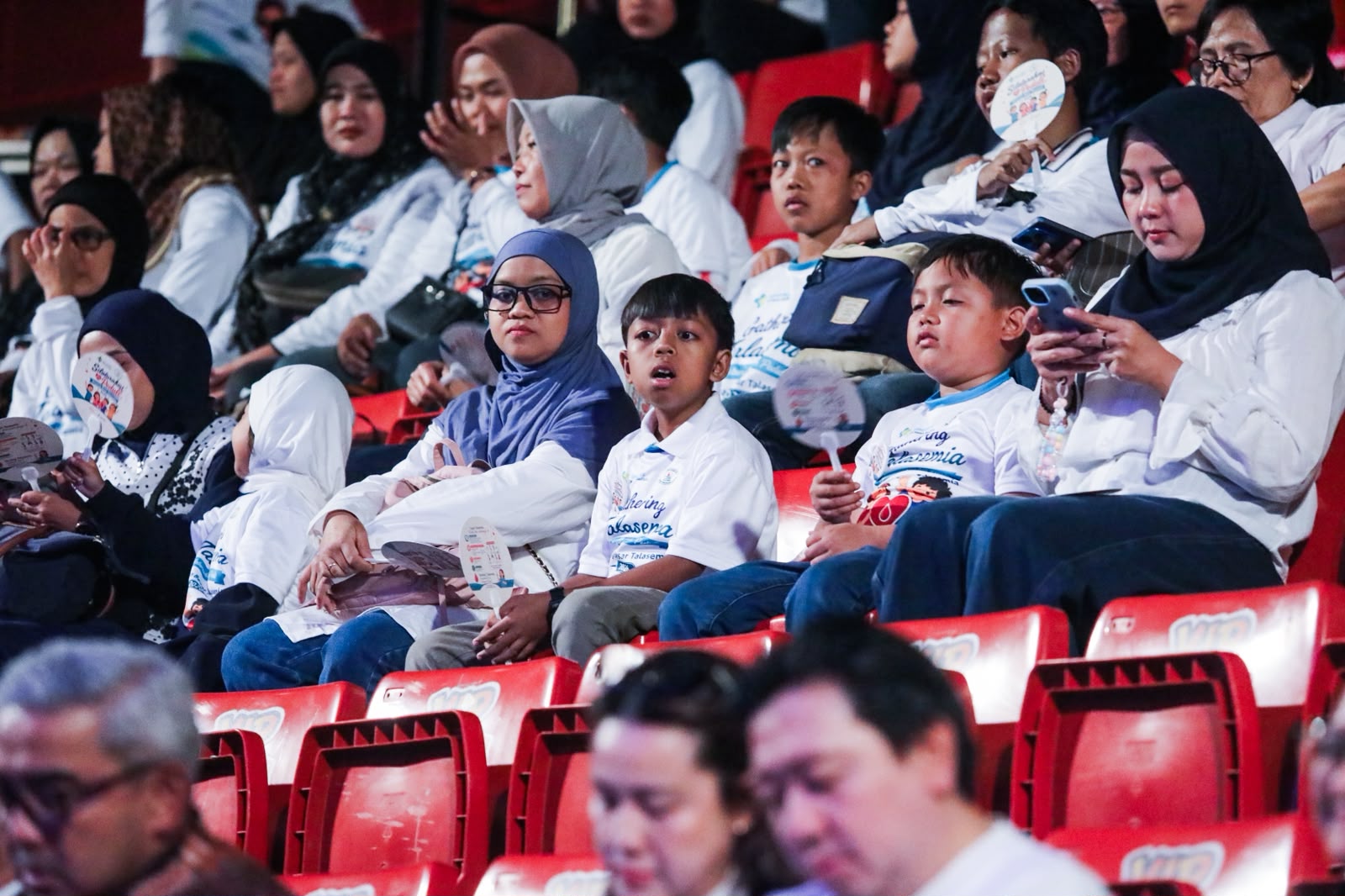
The Bandung City Government is supporting efforts to strengthen early detection and prevention of thalassemia initiated by Hasan Sadikin Hospital (RSHS) Bandung in collaboration with Harapan Kita Children and Mother Hospital (RSAB) through a community service event for thalassemia patients and their families in Bandung on Sunday (27/7).
Bandung Mayor Muhammad Farhan expressed his appreciation for the collaboration, noting that the initiative focuses not only on treatment but also on prevention and improving the quality of life for patients. “On behalf of the Bandung City Government, we appreciate the initiative of RSHS and RSAB Harapan Kita, which continue to present innovations in handling thalassemia. This effort is very important because it builds public awareness about the importance of early detection and prevention of genetic diseases,” he said.
Farhan stated that the city government is ready to support various programmes aimed at improving public health standards through collaboration with hospitals, educational institutions, and the central government. The city also supports measures that strengthen health education, screening, and assistance for thalassemia patients and their families. “Cross-sector collaboration is key to ensuring that health services are of higher quality and can reach the people who need them,” he stressed. He also acknowledged the significant contribution of RSHS as a national referral hospital to health services in Bandung and West Java.
West Java Deputy Governor Erwan Setiawan also expressed his appreciation to RSHS, RSAB Harapan Kita, the Ministry of Health, and all health workers and researchers who initiated the activity. He noted that thalassemia remains a public health challenge requiring cooperation from all parties. Data indicates that the prevalence of thalassemia carriers in Indonesia reaches around 3–10% of the population, with approximately 40% of carriers residing in West Java. “The West Java Provincial Government is committed to strengthening education, early detection, and assistance efforts so that the number of thalassemia cases can continue to be reduced. It is hoped that the quality of life of patients will also improve,” he stated.
RSHS President Director Rachim Dinata Marsidi explained that this community service activity is a tangible form of the hospital’s commitment to providing health services that have a direct impact on the community. “The collaboration with RSAB Harapan Kita strengthens research efforts as well as education for families of thalassemia patients so they understand the importance of early detection and genetic screening,” he said.
RSAB Harapan Kita President Director Reni Wigati praised RSHS as the best regional hospital in Indonesia with a major contribution to the development of national health services. She noted that national programmes cannot reach the community without the hard work of regional hospitals, making the collaboration with RSHS a clear example of how research and health services can directly benefit the community.
The focus of this year’s activity is to encourage families of thalassemia patients to undergo genetic screening so that carrier status can be identified early and preventive measures can be taken for future generations. Through collaboration between hospitals, government, health workers, researchers, and the community, this activity is expected to strengthen thalassemia prevention efforts while improving the quality of life for patients and their families in Indonesia. The event, part of the 2026 National Children’s Day commemoration and the 103rd anniversary of RSHS, brought together thalassemia patients, families, health workers, researchers, academics, and government officials to strengthen education, early detection, and assistance for those with the congenital blood disorder. Activities included thalassemia education, patient testimonial video screenings, programme result presentations, and the collection of 90 saliva samples for research and genetic screening. A total of 484 thalassemia patients participated in the series of events.