
Bandung City Government Requests Waste Emergency Status from West Java Provincial Government
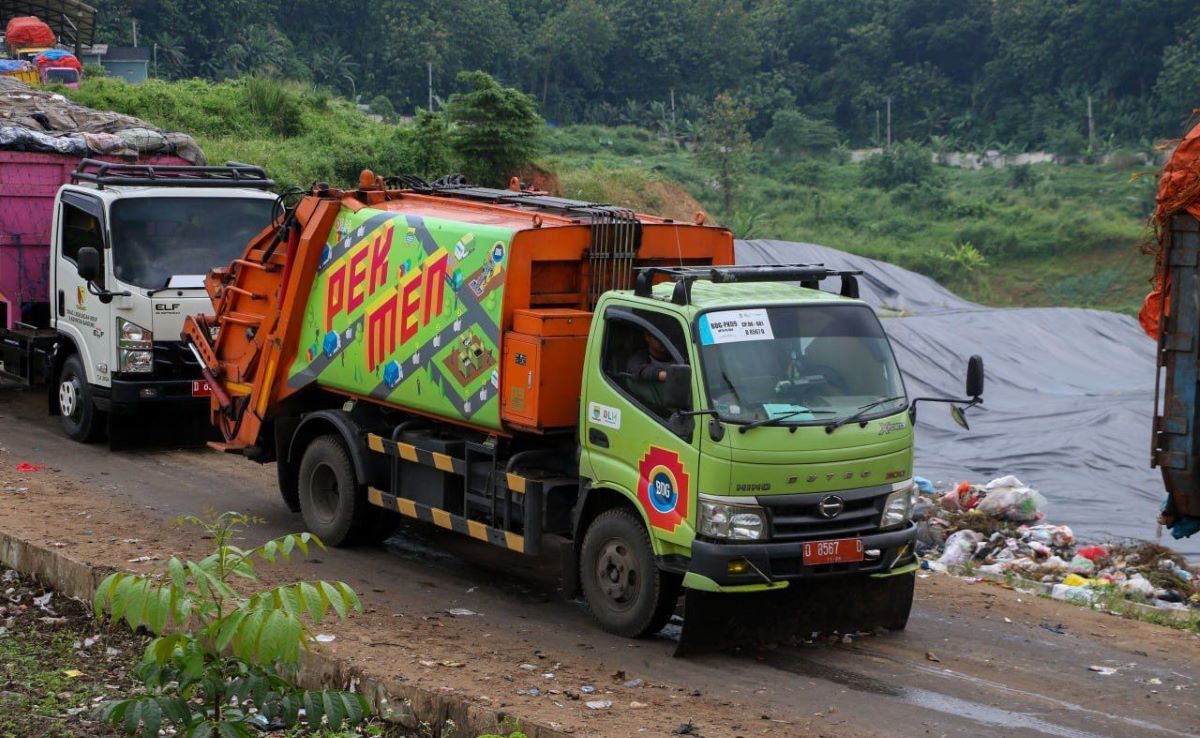
Bandung City Government has officially submitted a request for waste emergency status to the West Java Provincial Government. This critical step follows a drastic surge in waste volume overwhelming the city’s management system during the extended holiday period, from Eid al-Fitr to consecutive long weekends in recent weeks. Mayor Muhammad Farhan explained that high citizen and tourist mobility is the primary cause of local disposal capacity collapse. Bandung currently heavily relies on the Sarimukti Final Treatment and Processing Site (TPPA).
“Surges in community activity and tourist visits directly increase daily waste volumes that need handling. This situation further strains Bandung’s waste management system, which still depends on the Sarimukti Final Treatment and Processing Site (TPPA),” Farhan said on Monday, June 1.
Quota Dependency
The lack of independent final disposal sites makes Bandung highly vulnerable to waste residue disposal quotas set by the West Java Provincial Government at TPA Sarimukti.
“During this holiday season, from Eid al-Fitr to consecutive long weekends, environmental carrying capacity has been severely strained. Waste management is one of our biggest challenges,” Farhan stated.
However, Farhan expressed appreciation for the West Java Governor’s swift response in opening additional waste transport quotas to TPPA Sarimukti. This intervention has effectively prevented larger-scale waste accumulation in city corners.
He emphasised that Bandung City Government is continuously working to enhance local waste processing capacity. However, the existence of final disposal sites for residue remains an unavoidable necessity.
“We can maximise processing as much as possible. But for residual waste, we still require provincial government support as the management authority of TPPA Sarimukti lies at the provincial level,” he added.
Legal Framework for Emergency Policy
Bandung City Government is currently awaiting the West Java Provincial Government’s official decision on the waste emergency status request, submitted based on Ministry of Environment criteria. This status is deemed crucial as a legal basis for local authorities to take discretionary and emergency measures to accelerate on-ground handling.
On another note, Farhan reminded that downstream waste management regulations alone are insufficient without upstream improvements. He urged active public participation to reduce household waste production.
Farhan hopes public awareness of waste separation and reduction will continue to grow to maintain Bandung’s cleanliness and environmental sustainability.
“This is a pivotal moment to strengthen collaboration between government, communities, the business sector, and all stakeholders in addressing increasingly complex waste issues,” he concluded. (AN/P-2)