
Bandung City Government Increases Vigilance Against ARI and ILI, Health Facilities Strengthen Early Detection
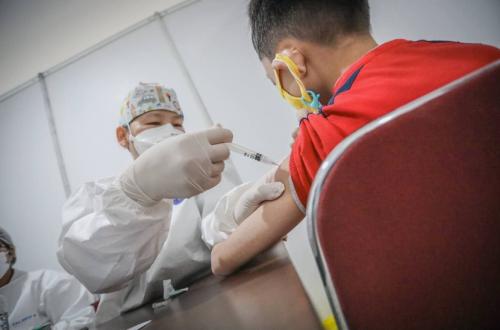
The Bandung City Government is increasing vigilance regarding Acute Respiratory Infection (ARI) and Influenza-like Illness (ILI) following an increase in respiratory disease cases observed during surveillance monitoring in weeks 35 and 36 of 2026.
This measure was formalised through a Circular from the Head of the Bandung City Health Office, Number 17598-Dinkes/2026, concerning the Increase of Vigilance for ARI and ILI in Bandung City, issued on 17 September 2026.
The circular states that, based on monitoring via the Early Warning and Response System (SKDR), there was an increase in respiratory disease cases during weeks 3lag 35 and 36 of 2026. Although this increase has not yet met the criteria for a warning signal based on established thresholds, the situation remains a priority to strengthen early detection, surveillance, prevention, control, and preparedness for potential surges in ARI and ILI cases in Bandung.
The Bandung Health Office has requested all hospitals and community health centres (Puskesmas) to enhance early detection of respiratory cases and strengthen surveillance and reporting through the SKDR. Furthermore, all healthcare facilities are required to implement measures to prevent the transmission of respiratory diseases, both within healthcare environments and the wider community.
The Health Office also directed healthcare facilities to intensify public education. Citizens are advised to remain calm and vigilant, and to refrain from spreading unverified health information. Information received by the public should ideally come from official and accountable sources.
Members of the public experiencing coughs, colds, fever, or respiratory infection symptoms are encouraged to wear masks, particularly in crowded places or healthcare facilities. The public is also urged to practice proper cough and sneeze etiquette, wash hands with soap or use hand sanitised, and ensure good air circulation in homes, schools, workplaces, and gathering areas.
For those experiencing respiratory symptoms, the Health Office advises resting at home and reducing close contact with others until the condition improves. Immediate medical examination at a healthcare facility is necessary if symptoms worsen or danger signs appear. These danger signs include shortness of breath or rapid breathing, chest wall retractions, bluish lips, tongue, or fingernails, and high fever above 38 degrees Celsius lasting more than three days. Additionally, a decrease in consciousness or a child’s refusal to breastfeed, eat, or drink are signs requiring medical attention. The public is also encouraged to follow immunisation programmes as recommended by health professionals.
To strengthen monitoring, all Puskesmas in Bandung City have been instructed to monitor the SKDR every working day and ensure that reports from all service units within their area are recorded and submitted on time. Puskesmas are also directed to analyse the development of ARI and ILI cases based on time, place, and person. Any SKDR signals or information regarding unusual increases in cases must be verified.
Monitoring also includes the possibility of case clusters in schools, boarding schools (pesantren), workplaces, dormitories, and other locations. If verification shows an increase or clustering of cases requiring follow-up, Puskesmas are required to conduct epidemiological investigations. They must also ensure the implementation of Infection Prevention and Control (IPC) and report verification results to the Bandung City Health Office no later than 24 hours after a signal is received.
Meanwhile, hospitals, clinics, and other healthcare facilities are requested to increase vigilance regarding patients with ARI or ILI symptoms, ensure complete, accurate, and timely reporting, and implement IPC. Particular attention should be paid to increases in respiratory patients requiring hospitalisation. Healthcare facilities are tasked with specimen collection and laboratory testing as indicated, and managing referrals according to clinical guidelines.
To strengthen prevention within the community, Puskesmas are requested to coordinate with sub-districts, wards, educational institutions, and workplaces. This coordination includes promoting clean and healthy living behaviours, providing hand hygiene facilities, and maintaining cleanliness and air circulation in indoor spaces. Individuals who are unwell are also urged to rest and reduce contact with others. If an increase or cluster of respiratory cases is detected, local authorities are requested to coordinate immediately with the Puskesmas.
Source: jawawa.id (https://jawawa.id/newsitem/bandung-city-government-increases-vigilance-against-ari-and-ili-health-facilities-strengthen-early-detection-1790744192)
Originally published by Republika (https://rejabar.republika.co.id/berita/tm5r5e490/pemkot-bandung-tingkatkan-kewaspadaan-ispa-dan-ili-faskes-perkuat-deteksi-dini), translated from Indonesian