
Bandung City Council Ratifies Regulation on Preventing Risky Sexual Behaviour
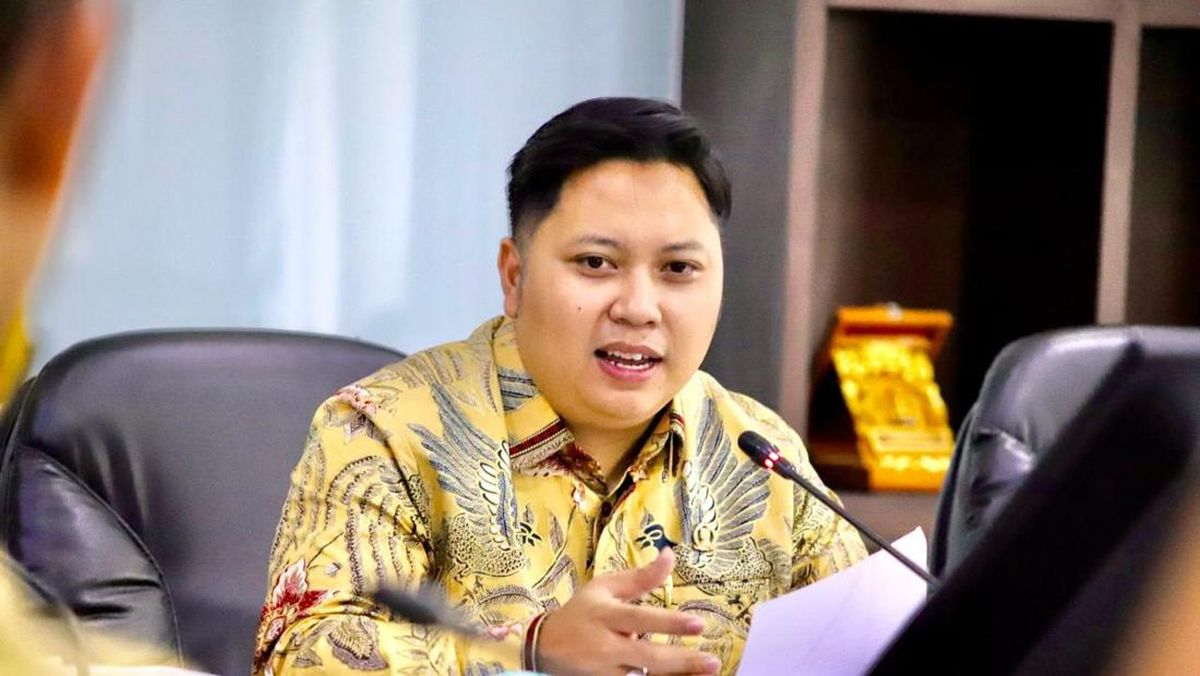
The Bandung City Council (DPRD) has officially ratified the Draft Regional Regulation (Raperda) on the Prevention and Control of Risky Sexual Behaviour and Sexual Deviance during a plenary session held on Wednesday (17/6).
Chair of Commission I of the Bandung City DPRD, Radea Respati Paramudhita, explained that this regulation arose from shared concern over various issues developing within society. These include rising cases of HIV/AIDS, sexually transmitted infections, unwanted pregnancies, early marriage, and various forms of sexual violence, indicating that Bandung requires more systematic and sustainable measures for prevention and control.
On the other hand, the development of information technology and social media has brought significant changes to community life. However, easy access to information also presents new challenges. “We are witnessing the increasingly massive promotion, propaganda, and normalisation of risky sexual behaviour that can be easily accessed by children and adolescents. As parents, people’s representatives, and part of Bandung’s community, I believe this condition cannot be ignored,” Radea stated in an official release received on Wednesday (24/6).
Radea explained that the impact of risky sexual behaviour is not only related to an individual’s physical and mental health. Furthermore, this condition has the potential to affect family resilience, social order, and the moral, religious, cultural, and ethical values that form the foundation of community life. Various risks that may arise include increased disease transmission, mental health disorders, sexual violence and exploitation, disruption of child growth and development, and a decline in the quality of social life.
Nevertheless, he emphasised that the ratified regulation is not intended to judge or discriminate against specific groups. “This ratified regulation is not an instrument to judge or discriminate against certain groups,” he said. On the contrary, Radea stated, this regulation exists as a form of protection for all citizens of Bandung by prioritising the principles of respect for human dignity, child protection, public health, family resilience, and the religious and cultural values living within society.
Additionally, he stressed that this regulation does not establish new criminal norms. The primary focus is on prevention, education, rehabilitation, guidance, supervision, and strengthening the role of all stakeholders. “We want to ensure that the community gains correct understanding, access to necessary services, and a social environment that supports the healthy growth and development of the younger generation,” Radea said.
The drafting of this regulation was carried out through a lengthy process involving various stakeholders, ranging from regional apparatus, academics, community leaders, to civil society elements. The diverse input received became an important part of refining the substance of the regulation so that it can answer the community’s needs more comprehensively.
After the regulation is ratified, the DPRD hopes the Bandung City Government will promptly prepare derivative regulations, conduct widespread public socialisation, and ensure the availability of human resources, facilities and infrastructure, as well as adequate financial support. Therefore, collaboration from all pentahelix elements—government, academics, business, community, media, and society—is required so that the regulation’s objectives can be achieved effectively.
According to him, the regulation represents a long-term social investment to safeguard the quality of Bandung’s future generations while strengthening the community’s social resilience. “I hope the presence of this regulation can become one of the foundations in realising a Bandung that is healthier, has character, is competitive, and is able to uphold the noble values that are the identity of its people,” he said.