
Ban on Social Media for Children in Malaysia Sparks Criticism
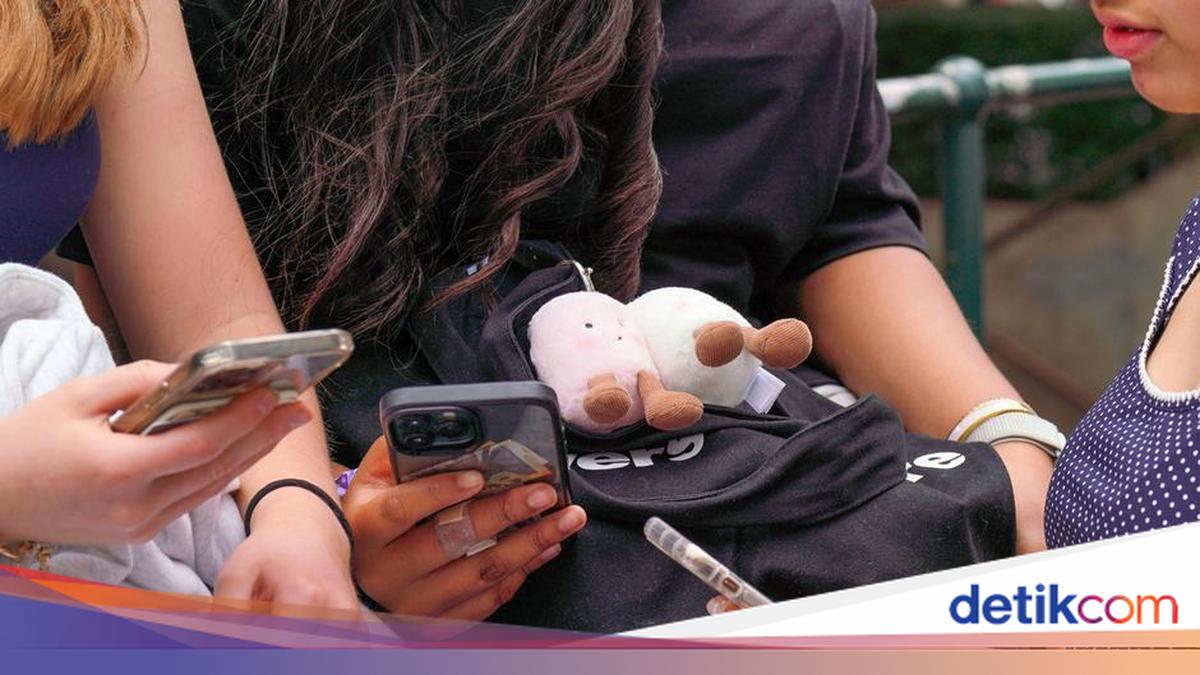
The regulation was established following a sharp increase in dangerous online content in Malaysia over recent years, including online gambling, scams, pornography, child exploitation, cyberbullying, and content related to race, religion, and the monarchy. Social media providers, including Facebook, Instagram, TikTok, and YouTube, will be required to implement age verification systems and block the creation of new accounts for users under the age of 16.
The Malaysian Communications and Multimedia Commission stated that age verification for existing users will be carried out gradually over the next six months. Users identified as being under 16 will be given one month to download or transfer their data, including photos and videos. Social media companies that fail to comply with the rules will face fines of up to 10 million ringgit (approximately £1.4 million).
For the Malaysian government, the ban aims to protect children from harmful content designed to trigger addiction or excessive use. The ban also intends for social media platforms to enhance user safety, curb excessive usage, and take action against underage accounts and harmful content. So far, social media providers have not disclosed their strategies for complying with the new regulations.
Clara Koh, Meta’s Public Policy Director for Southeast Asia, warned that the ban for children under 1s6 in Malaysia could backfire. There are concerns that the policy will drive teenagers away from protected applications and towards unregulated parts of the internet. Governments worldwide are currently facing significant pressure to address the impact of social media on children’s mental health and online safety. Last March, a US court ordered Meta and YouTube to pay millions of dollars in damages in a case alleging that platform design features contributed to harm suffered by a young user.
Opinions among Malaysian parents are divided. “That exposure (to the digital world) is what we fear,” said Saravanan Ganasan, a Kuala Lumpur resident with children aged 12 and 15. “Wrong exposure will corrupt the mind.” He and his wife, Jayaradha Veerasamy, both support the ban. They have already implemented similar restrictions at home, believing that children lack the psychological capacity to process social media information. The couple also prohibits their children from bringing devices into their bedrooms.
Conversely, Shaun Hew from Cheras, Kuala Lumpur, believes the restrictions go too far. He argues that social media can be used productively under proper adult supervision, noting that his 11-year-old son uses digital platforms to learn cooking and his 14-year-old daughter uses YouTube for exam preparation. He fears sudden loss of access could trigger stress among teenagers, leading them to seek illegal ways to bypass internet blocks.
Observers have also raised concerns regarding privacy and security. Benjamin Loh, a social science lecturer at Monash University Malaysia, noted that the policy triggers fears because it requires presenting government-issued identification for age verification. He warned that social media companies could ultimately expose personal data without adequate security guarantees. Loh added that the decision could negatively impact stateless individuals, undocumented residents, and marginalised communities, such as the LGBTQ+ group, who rely on online anonymity for safety. Furthermore, he argued that without sanctions for parents, families could bypass the law by creating accounts for their children, rendering the regulation ineffective unless regulators address this loophole.
Discussions regarding the restriction of social media use for children began in November 2024. At that time, Malaysia’s Communications Minister, Fahmi Fadzil, stated the government was reviewing age-restriction mechanisms similar to those implemented in Australia and other nations. He emphasised that such steps are necessary to protect the younger generation from online threats, including cyberbullying, financial scams, and child sexual abuse.