
Ban on Coal Transportation in South Sumatra Has Long-Reaching Consequences: These Are the Critical Points According to Experts
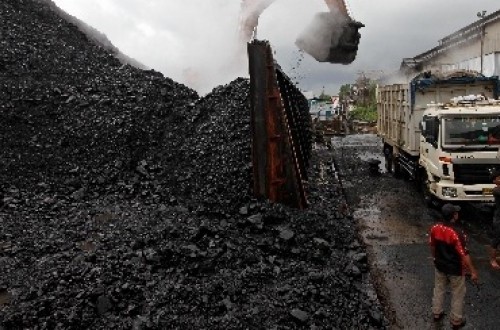
REPUBLIKA.CO.ID, JAKARTA— The South Sumatra Governor’s policy issuing instructions to ban coal transportation passing through public roads has come under scrutiny.
Legal observer from General Achmad Yani University, Dr Muhammad Zaki Mubarak, criticises the policy not only as legally problematic but also potentially detrimental to national interests, particularly in the energy sector.
Zaki emphasises that from the perspective of positive law, road traffic and transportation regulations are clearly outlined in Law No. 22 of 2009 on Road Traffic and Transportation. In that regulation, vehicle restrictions are primarily based on tonnage parameters.
“As long as coal transport vehicles meet the technical requirements, including not exceeding the regulated tonnage limits, they cannot be summarily banned from public roads. The governor’s instruction, which amounts to a total ban, has the potential to conflict with the norms in the Road Traffic Law,” Zaki stated.
Furthermore, he assesses that the policy also intersects with nationally strategic sectors regulated under the Mining Business Law. Coal is a vital commodity supporting national energy needs, including for steam power plants (PLTU).
In this context, he says, coal distribution is not merely a regional matter but part of national interests. The central government, under the leadership of Prabowo Subianto, is currently pushing for strengthened energy resilience and increased electricity production.
“Regional policies that hinder coal distribution have the potential to clash with the direction of national policy,” he explained.
He also warns that unsynchronised policies between regional and central governments can have serious impacts on the wider community. One real risk is the disruption of coal supplies to several PLTU, which could ultimately affect electricity availability in various regions.