
Bamsoet: The 2027 KEM-PPKF policy is a bold move to protect the public
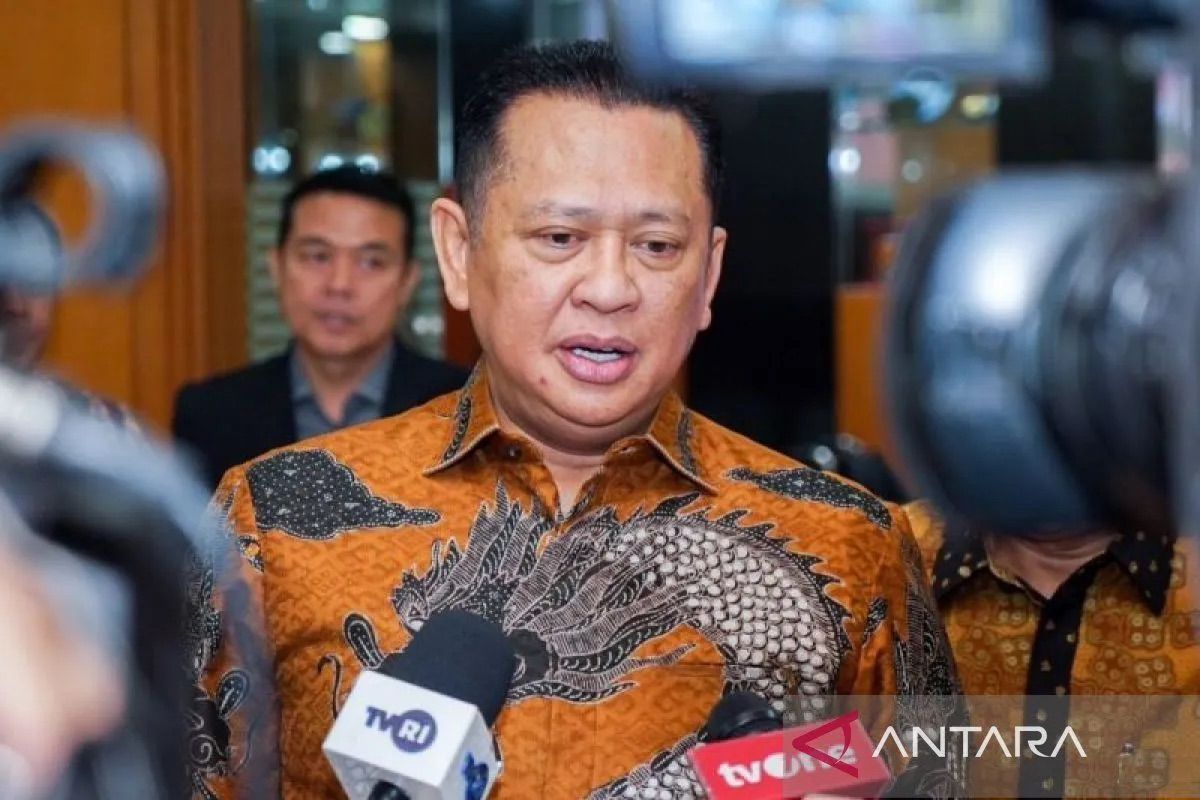
The APBN is positioned as the instrument of the state’s struggle to ensure real improvements in the welfare of the people. Jakarta — Member of the Indonesian House of Representatives Bambang Soesatyo (Bamsoet) said the macroeconomic framework and the main policy of fiscal policy (KEM-PPKF) 2027, as set out by President Prabowo Subianto in the DPR plenary session, represented a bold step in protecting the public. The macroeconomic framework and fiscal policy for 2027 presented by President Prabowo show the government’s willingness to take strategic steps to safeguard development continuity while strengthening social protection for the people, Bamsoet said in a statement received in Jakarta on Wednesday. Bamsoet expressed his support for the 2027 KEM-PPKF, whose policy direction shows the government is building a foundation for long-term growth with a more realistic and measurable approach, and a focus on strengthening national resilience amid high global uncertainty. “The APBN is placed as the instrument of the state’s struggle to ensure real improvements in the welfare of the people,” he said. The 20th Speaker of the DPR noted that the 2027 RAPBN design shows the government’s caution in fiscal management. By targeting a deficit in the range of 1.80 to 2.40 percent of GDP, this indicates fiscal discipline remains safeguarded amid growing financing needs for priority national programmes. The government, he said, will continue to preserve fiscal space so that national economic stability is maintained. He noted that this step is important because various international bodies project the world economy in 2026-2027 will still be shadowed by a slowdown due to geopolitical conflicts, energy price volatility, and fragmentation of international trade. The International Monetary Fund (IMF), he continued, in its latest projection also forecasts global economic growth to be around three percent. “The government is very right to keep the deficit under control,” he said. Furthermore, Bamsoet explained that the growth target of 6.5 percent by 2027 represents the government’s strong determination to move out of the stagnation of around five percent that has characterised the national economy for the past decade. However, he added, the target is realistic if supported by accelerated downstream industrialisation, stronger investment, expansion of the manufacturing sector, development of the digital economy, and an increase in domestic consumption. He noted that Indonesia’s digital economy currently constitutes the largest share in Southeast Asia, with the digital economy valued at more than $130 billion by 2025. Meanwhile, the government’s emphasis on mineral downstreaming has significantly boosted export values of nickel-based products, stainless steel, and electric vehicle batteries in recent years. “An economy growth target above six percent is challenging but very achievable if national industrialisation proceeds consistently, downstreaming is expanded, facilitated, and formal job creation accelerates,” Bamsoet said.