
Bamsoet: Rupiah Pressure Must Be Addressed Calmly
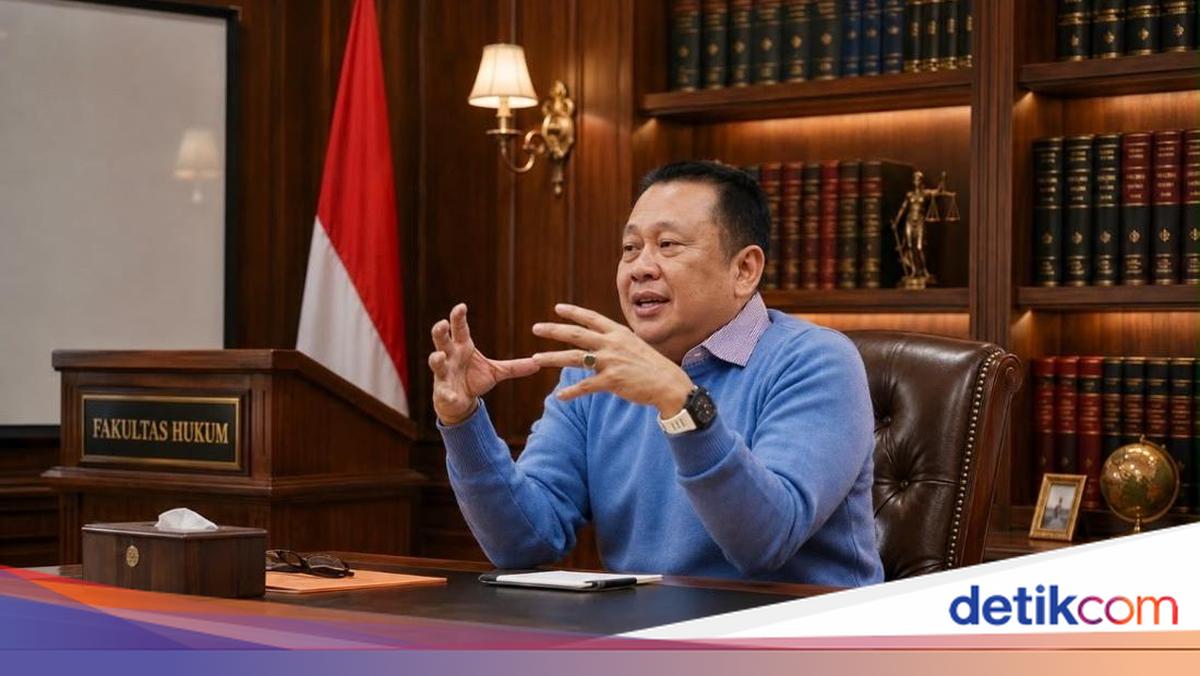
Bambang Soesatyo (Bamsoet), a member of Indonesia’s Presidential Advisory Council (Wantimpres), has warned that businesses are facing challenges from the rupiah’s depreciation and pressure on purchasing power. He urged all parties to address the situation calmly.
“We must face this situation with a cool head. The government, Bank Indonesia, the Financial Services Authority (OJK), the Indonesia Stock Exchange (BEI), banks, state-owned enterprises and businesses must work towards the same goals: maintaining rupiah stability, strengthening people’s purchasing power, and ensuring that the capital market remains credible, transparent and attractive to investors,” Bamsoet said in a statement on Friday (30 October 2026).
Bamsoet said external pressures remained high. The rupiah was trading at around Rp18,000 to the US dollar, while the stock market was volatile amid a combination of global sentiment, geopolitical tensions, capital flows and investor concerns about market governance.
However, he said, the national economy retained resilience. Indonesia’s foreign-exchange reserves stood at US$146.3 billion at the end of September 2026, equivalent to 5.3 months of imports and well above the international adequacy standard. September 2026 inflation was also contained at 3.28 per cent year on year, within Bank Indonesia’s target range.
“Do not let market pressure turn into economic panic. The consumer confidence indicator remains in optimistic territory at 118.1. Bank lending is growing by 13.26 per cent year on year, while the banking sector’s capital adequacy ratio remains strong at 24.10 per cent. This means our economic activity is continuing. What is needed is an appropriate and consistent response,” Bamsoet said.
The Golkar Party deputy chairman outlined several strategic measures that should be reinforced. First, Bank Indonesia should continue stabilising the exchange rate through measured intervention, deeper domestic foreign-exchange markets, greater use of hedging instruments and wider use of local currencies in trade with partner countries.
Second, the government should safeguard purchasing power by controlling food prices, ensuring smooth distribution, protecting vulnerable groups and accelerating productive state spending.
“The next step is to make strengthening the capital market a shared priority. Transparency in share ownership, law enforcement against market manipulation, improved issuer quality and protection for retail investors must be pursued without compromise. A healthy capital market is not merely a place to raise funds; it is a reflection of confidence in the future of the national economy,” Bamsoet said.
Bamsoet added that, as a fourth measure, businesses needed regulatory certainty, easier investment conditions, access to financing and incentives to increase exports and replace imports. Micro, small and medium-sized enterprises (MSMEs) and labour-intensive industries should also be prioritised because they employ large numbers of people and directly support household consumption.
“Businesses need consistent policies, clear law enforcement and open communication between fiscal and monetary authorities. If certainty is maintained, businesses will be more willing to invest and expand their operations. Indonesia has a large domestic market, abundant resources and a productive workforce. We must make use of all these strengths so that economic optimism is genuinely felt in business activity and people’s lives,” Bamsoet concluded.