
Bamsoet: Radiogenomics can help with early disease prevention
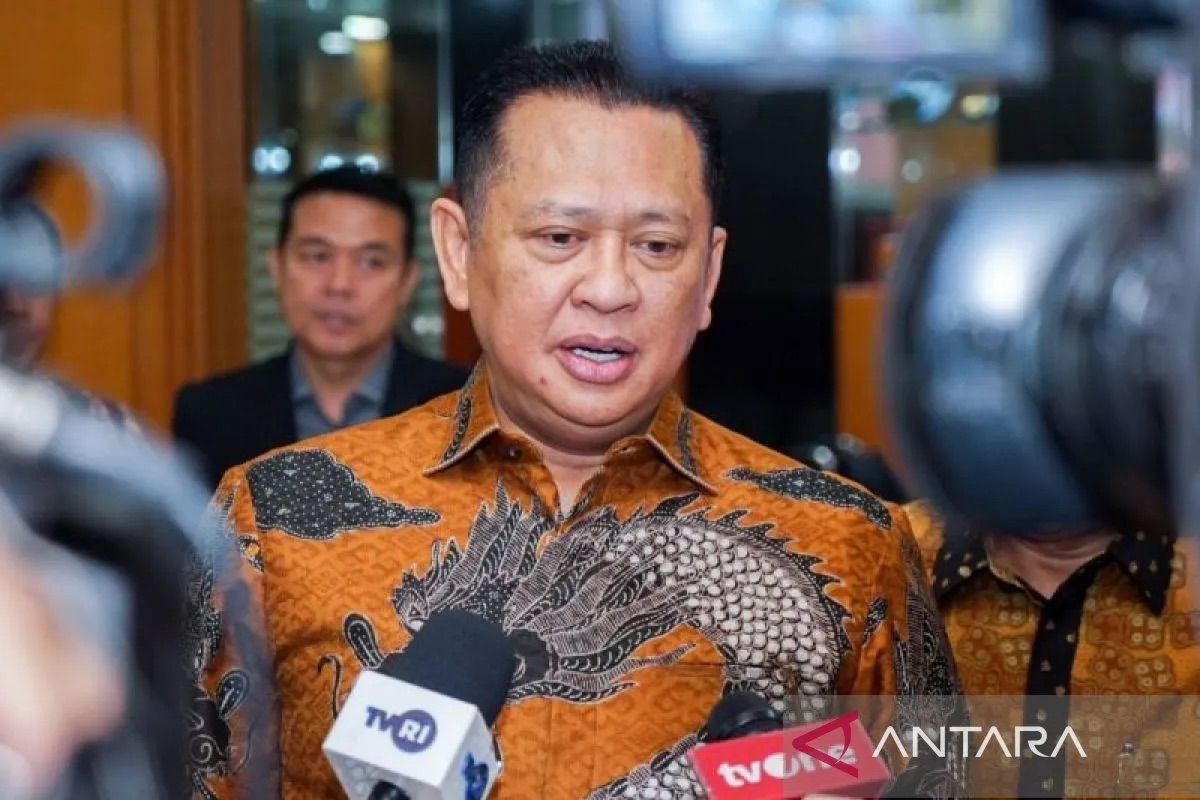
Jakarta (ANTARA) - Member of the Indonesian Parliament, Bambang Soesatyo, believes that radiogenomics can assist both the public and medical professionals in detecting and preventing diseases at an earlier stage.
“Radiogenomics presents a new perspective in the medical world by prioritising prevention. We are no longer waiting for people to get sick, but rather starting to identify risks early on with a more comprehensive, data-driven approach,” said the man, who is affectionately known as Bamsoet, in an official press release received in Jakarta, Friday.
This statement also reflects Bamsoet’s support for the declaration of the radiogenomics initiative, which was initiated by Rhemedi Medical Services, as a concrete step towards transforming the national healthcare system into a more predictive and data-driven model.
Based on data from the World Health Organization (WHO) that Bamsoet has, it is recorded that 70 per cent of deaths are caused by non-communicable diseases such as cancer, diabetes, and heart disease.
These various diseases should be curable by taking preventive measures early on.
However, in Indonesia, according to Bamsoet, the level of screening is still relatively low. The Ministry of Health recorded that the coverage of early detection of breast cancer through SADANIS and mammography was still below 30 per cent in 2025.
This condition is what makes innovations like radiogenomics very much needed to help medical staff in handling diseases.
Bamsoet continued, the radiogenomics development initiative by Dr. Rheza Maulana Syahputra, presents an integration between medical imaging and the patient’s DNA profile.
This technology, he added, allows medical personnel to identify the risk of cancer or organ abnormalities from a very early stage, even before symptoms appear.
In practice, certain patterns in mammography results can be linked to specific gene mutations that increase the risk of cancer. Thus, the potential for disease can be detected and prevention can be carried out more quickly and more precisely.
“With this technology, doctors can see the potential for disease even before symptoms appear. So, interventions can be carried out more quickly and more precisely,” said Bamsoet.
He added that the declaration of the radiogenomics initiative was realised directly through integrated health service activities held at the MPR RI on 11 May 2026, coinciding with the commemoration of Kartini Day.
In one day, as many as 200 people participated in health examinations, consisting of approximately 130 breast examinations and 70 abdominal examinations using ultrasound.
“We see very high public enthusiasm. This is clear evidence that the need for early detection is urgent and must be answered with easily accessible and technology-based services,” said Bamsoet.
Bamsoet hopes that this method can be adopted as soon as possible by all health facilities in Indonesia so that the wider community can carry out examinations and prevention from an early age.