
Bamsoet Praises Radiogenomics Innovation to Accelerate Health Transformation
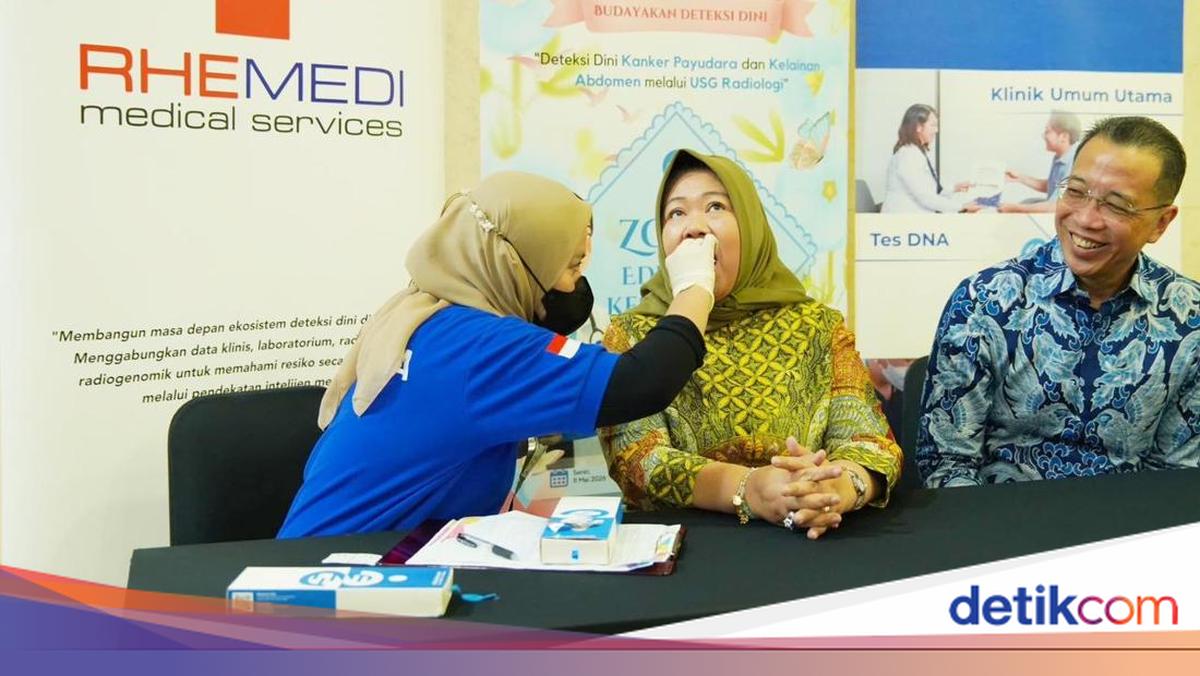
World Health Organization (WHO) data indicates that more than 70% of deaths from non-communicable diseases such as cancer, diabetes, and heart disease can be prevented through early detection and risk-based interventions. However, in Indonesia, screening rates remain low. The Ministry of Health records that coverage for early breast cancer detection via SADANIS and mammography is still below 30% in 2025. This situation makes innovations like radiogenomics relevant and urgent. “Radiogenomics brings a new perspective to the medical world by prioritising prevention. We no longer wait for people to fall ill first, but start reading risks early with a more comprehensive data-based approach,” said Bamsoet in a written statement on Thursday (14/5/2026). He added that the radiogenomics initiative, developed under the leadership of dr. Rheza Maulana Syahputra, presents an integration of medical imaging and patient DNA profiles. This technology enables the identification of cancer or organ abnormality risks at a very early stage, even before symptoms emerge. In practice, certain patterns in mammography results can be linked to specific gene mutations that increase cancer risk, allowing for faster and more targeted interventions. “This approach is known as medical intelligence, which utilises data analysis to map an individual’s health risks more personally. With this technology, doctors can detect potential diseases even before symptoms appear. Thus, interventions can be carried out more quickly and more accurately,” he continued. Bamsoet explained that strengthening data-based medical intelligence aligns with the direction of the national digital health transformation being promoted by the government. The integration of clinical, radiology, and genomic data has the potential to become the backbone of the future health system while reducing the burden on National Health Insurance financing through the prevention of chronic diseases. “This radiogenomics initiative must become a sustainable national movement that reaches more regions, including areas with limited access to health services, so that its impact is truly felt by public health,” he stated. Furthermore, Bamsoet mentioned that the declaration of the radiogenomics initiative was realised through integrated health services in the MPR RI environment on 11 May 2026, coinciding with Kartini Day. In the event, 200 participants underwent health examinations consisting of around 130 breast examinations and 70 abdominal examinations using ultrasonography. Ministry of Health data itself records that breast cancer remains the most common cancer case among Indonesian women, with more than 65,000 new cases per year. Meanwhile, heart disease and diabetes continue to dominate causes of death. He assessed that the high participation in the event reflects the public’s need for quick and affordable early detection. “We see very high public enthusiasm. This is clear evidence that the need for early detection is urgent and must be addressed with easily accessible services based on technology,” he concluded.