
Bamsoet: Illegal Wiretapping of the President Is a Serious Threat to the State
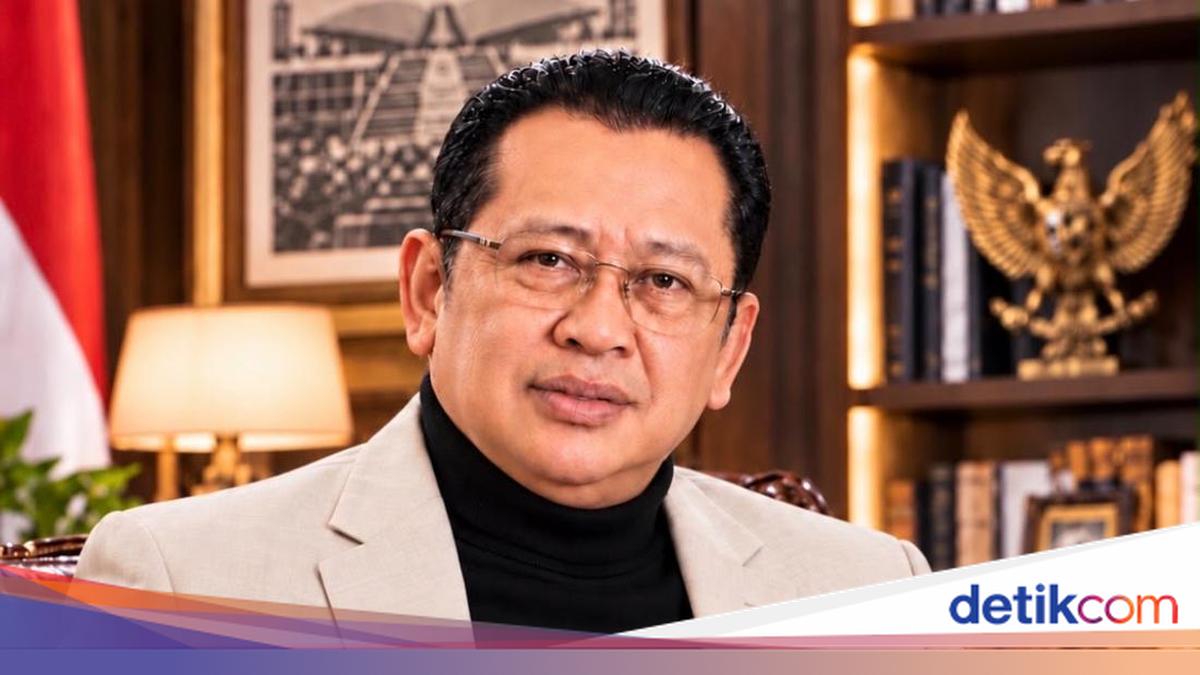
Indonesian Presidential Advisory Council member Bambang Soesatyo (Bamsoet) has stressed that the alleged illegal interception of President Prabowo Subianto’s communications poses a serious threat to the state. He called for the case to be handled swiftly, objectively, independently and openly, while safeguarding state secrets.
Bamsoet said the issue went beyond an alleged breach of the President’s communications privacy. If proven, it could affect national security, including the confidentiality of the President’s strategic agenda, the security of state decision-making, the integrity of law enforcement agencies and public trust in the government.
“No one, whatever their position, may use their authority, technology or state facilities to intercept the President’s communications without a lawful basis. If proven, this will be a major test of the police’s integrity and the state’s information security system,” Bamsoet said in a statement on Wednesday (4 November 2026).
The Golkar Party deputy chairman and deputy chairman of the Indonesian Chamber of Commerce and Industry (Kadin) stressed that the case must be handled in accordance with the presumption of innocence: being named a suspect does not mean a person is guilty before a court verdict. However, the investigation must be firm and professional, while also identifying any weaknesses in the system that may have enabled illegal interception.
“The investigation must not stop at identifying who is suspected of carrying out the interception. It must establish how the system was breached, who had access, how it was supervised and why early warnings did not work. If a violation is proven, those responsible must face legal proceedings and the system’s vulnerabilities must be closed immediately to prevent a recurrence,” Bamsoet said.
Bamsoet outlined five strategic steps that should be taken promptly. First, the President should order a comprehensive audit of the security of the devices, accounts, networks, access arrangements and communication channels used by the President and strategic state officials. The audit should be conducted confidentially and professionally, with the involvement of the National Cyber and Crypto Agency (BSSN), the Presidential Security Force (Paspampres), the State Intelligence Agency (BIN), the Presidential Secretariat and relevant cyber units.
Second, all electronic evidence, digital access logs, interception devices and supporting data must be secured immediately under strict chain-of-custody procedures. This is to prevent evidence being destroyed, altered or manipulated and to ensure that the evidentiary process can be properly accounted for.
“The next step is to ensure that the legal process is free from conflicts of interest through internal and external oversight within the respective authorities’ remits, including the National Police’s Professional and Security Division (Propam), its Inspectorate General (Itwasum), the National Police Commission (Kompolnas), the Attorney General’s Office and relevant oversight bodies. Updates on the case should be provided proportionately without endangering state security,” Bamsoet added.
Fourth, Bamsoet said, the government should reform national rules and oversight on interception. Any interception must have a legal basis and legitimate purpose, clear authorisation and a time limit, as well as digital records that cannot be erased unilaterally and regular independent audits.
Fifth, the government should strengthen communications security standards for the President and strategic state officials through encryption, multiple layers of protection, restricted access, real-time cyber-threat monitoring and routine checks to prevent information leaks.
“Public trust in the National Police must be protected. The alleged abuse of authority by a few individuals must not damage the institution’s reputation. Through an honest, objective and professional investigation, the police must prove that the law is enforced, discipline is upheld and any misconduct is dealt with without favour,” Bamsoet said.
Bamsoet, who chairs the advisory board of the Padjadjaran University Law Doctoral Alumni Association and is a deputy chairman of Pemuda Pancasila, also urged all parties not to turn the case into an occasion for political speculation, mutual accusations or the spread of unverified information. The matter should be handled calmly, on the basis of facts and through due legal process.
“Illegal interception is a serious threat to the rule of law. This case must be a turning point for strengthening oversight, reforming institutions and protecting the state’s strategic communications. Anyone who holds power must remain subject to the law. No authority may be exercised arbitrarily,” Bamsoet concluded.
Police previously named three people as suspects in a case involving alleged illegal interception, deletion of electronic data and unauthorised access. One of the suspects is Presidential Chief of Staff General Listyo Sigit Prabowo (LSP).
“Investigators have named three people as suspects, with the initials LSP, ASN and EH,” National Police Criminal Investigation Agency chief Commissioner General Asep Safrudin said at a press conference at the agency’s headquarters in Jakarta on Tuesday (3 November).
Sigit is a former National Police chief. The other suspects are National Police Legal Division head Inspector General Ahrie Sonta (AHN) and Inspector General Eko Hadi Santoso (EH). One of the alleged targets of the interception was President Prabowo Subianto.
“They are suspected of illegally intercepting the telephone number of the President of the Republic of Indonesia,” he said.
Source: jawawa.id (https://jawawa.id/newsitem/bamsoet-illegal-wiretapping-of-the-president-is-a-serious-threat-to-the-state-1793757069)
Originally published by detikcom (https://news.detik.com/berita/d-8737368/bamsoet-penyadapan-ilegal-terhadap-presiden-ancaman-serius-bagi-negara), translated from Indonesian