
Bamsoet Hopes for Substantive Improvements Following Change in National Nutrition Agency Leadership
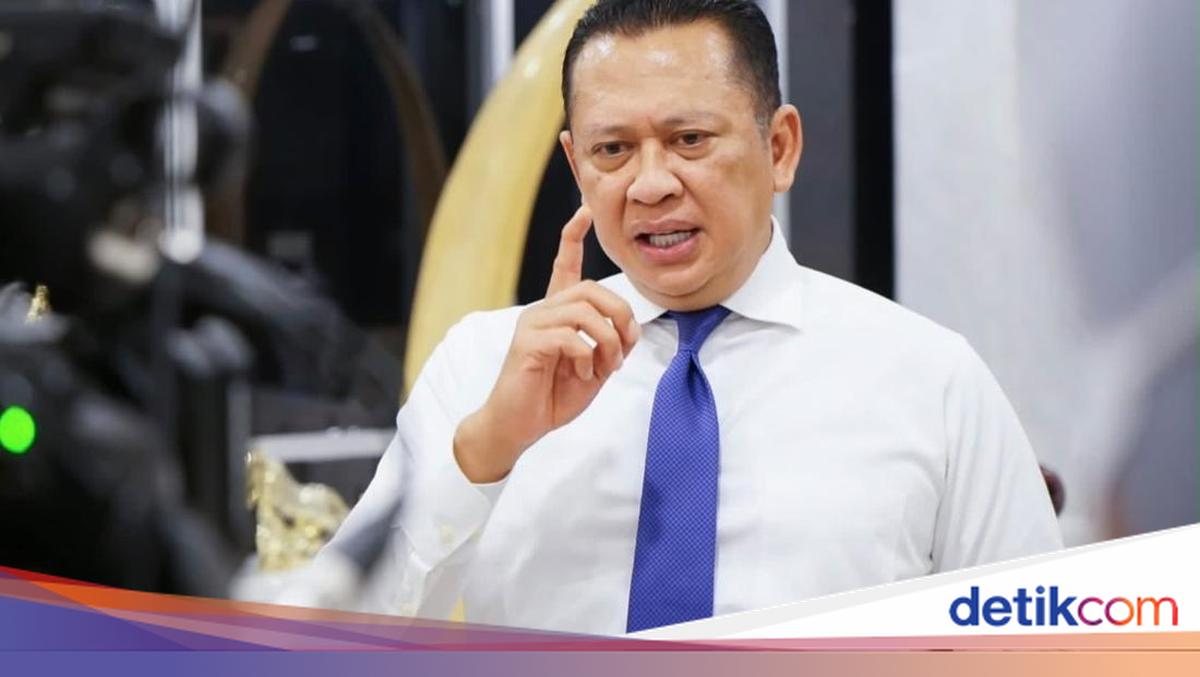
Member of the Indonesian House of Representatives and Deputy Chairman of the Golkar Party, Bambang Soesatyo (Bamsoet), has expressed appreciation for President Prabowo Subianto’s decision to change the leadership of the National Nutrition Agency (BGN). According to him, this move serves as a response to various public aspirations regarding the implementation of the Free Nutritious Meal (MBG) programme.
The decision demonstrates that the government is listening to and paying attention to public concerns that have highlighted various issues in the implementation of this flagship programme over recent months. Amidst high public expectations for the MBG as an instrument for human resource development, evaluation and correction are considered essential to ensure the programme’s objectives remain on track.
“President Prabowo is demonstrating responsive leadership by implementing corrections within the BGN. This step reflects the President’s willingness to hear public aspirations while ensuring that the nation’s priority programme runs according to its original purpose, which is to improve the nutritional quality of the nation’s children,” Bamsoet stated in a release on Saturday (6/6/2026).
Bamsoet emphasised that the change in BGN leadership should serve as a reminder to all state apparatus to always prioritise integrity, professionalism, and propriety in performing their duties. Every development programme must be executed with a focus on public service, rather than to serve personal or group interests.
“Through the correction of the BGN, the President is also reminding all government ranks not to misuse the nation’s priority programmes. No one should use the interests of the people as a pretext for personal or group interests. Public trust must be maintained through transparent and accountable performance,” Bamsoat explained.
Bamsoet noted that implementing a programme on such a massive scale as the MBG is inseparable from various challenges, ranging from food distribution reaching both urban and remote areas, food quality supervision, and budget management, to the readiness of human resources in the field. Therefore, periodic evaluation and improvement are vital parts of ensuring programme goals are achieved without sacrificing the quality of service to the community.
“What is far more important than the change in leadership is the establishment of a work culture that prioritises wisdom, propriety, and responsibility in utilising every state budget and facility. No party should hide behind priority programmes to ignore the principles of good governance,” Bamsoat said.
He added that, in addition to improving management and institutional governance, legal cases involving several BGN leaders must be processed firmly, transparently, and without discrimination. Consistent law enforcement is necessary to maintain the credibility of the Free Nutritious Meal Programme and to ensure there is no room for the abuse of authority in managing budgets that affect the wider public interest.
“The legal process for former BGN leaders who have been arrested and named suspects by law enforcement must proceed professionally, objectively, and openly. There must not be any impression that this excellent programme is tarnished by the actions of a few individuals. Firm law enforcement will strengthen public confidence that the government is serious about maintaining the integrity of the MBG programme,” he concluded.