
Bambang Patijaya: Government's Decision Not to Raise Subsidised Fuel Prices is Appropriate
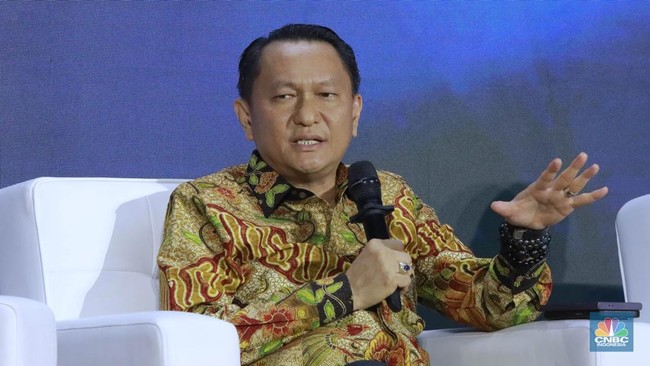
Jakarta, CNBC Indonesia - Chairman of DPR RI Commission XII from the Golkar Party faction, Bambang Patijaya, has voiced support for the government’s policy through the Ministry of Energy and Mineral Resources (ESDM) to ensure that subsidised fuel (BBM) prices do not increase until the end of 2026.
According to Bambang, this policy represents a strategic step that demonstrates the government’s commitment to safeguarding public purchasing power while controlling inflation amid ongoing global fluctuations.
“We view the government’s decision not to raise subsidised fuel prices as the right move. Energy price stability is a crucial factor in maintaining national economic resilience,” stated the legislator from the Bangka Belitung electoral district.
Furthermore, Bambang emphasised that the availability of national energy stocks above the minimum threshold is a key factor in ensuring domestic energy supply stability.
“With the Indonesia Crude Price (ICP) still under control and secure energy stocks, the policy to keep fuel prices stable is rational and measured,” he explained, as quoted in a press release.
On the other hand, Bambang assessed the government’s efforts to expand energy supply sources through diversification, including exploring cooperation with various countries such as Russia, as part of a medium-term strategy to strengthen national energy resilience.
Further, Bambang stressed that strengthening energy resilience must be accompanied by accelerating energy infrastructure development, including increasing refinery capacity and storage facilities, to reduce long-term dependence on imports. He also affirmed that Commission XII of DPR RI will continue to support and oversee government policies to ensure they prioritise national interests, maintain price stability, and promote national energy independence.