
Bambang Patijaya: Biodiesel and Bioethanol as Pillars of National Energy Independence
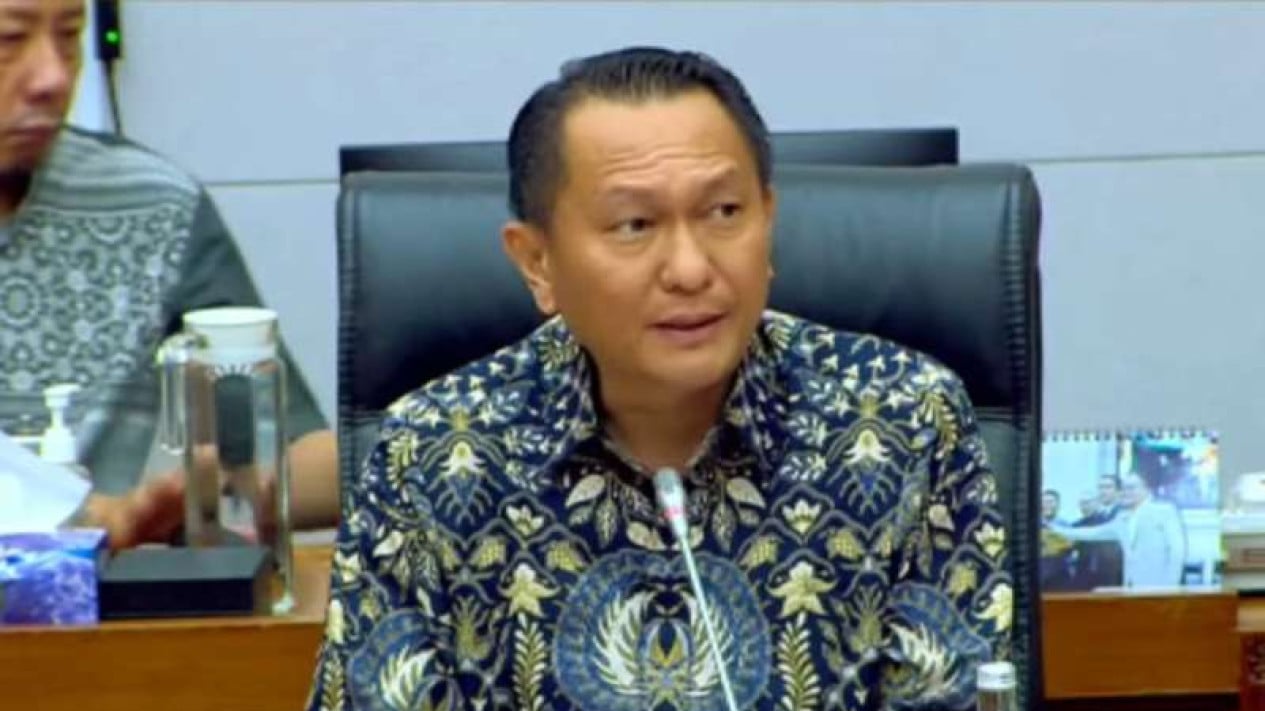
Jakarta – The Chairman of Commission XII of the Indonesian House of Representatives from the Golkar Party faction, Bambang Patijaya, has emphasised that Indonesia possesses significant potential to achieve energy independence through the development of plant-based fuels, particularly biodiesel and bioethanol.
According to Bambang, the implementation of biodiesel in Indonesia has shown significant progress. Currently, the biodiesel mandate programme has reached the B40 level and is planned to increase to B50 in July 2026. This policy represents a concrete step in reducing dependence on imported fuel oil, particularly diesel.
“The success of the biodiesel programme demonstrates that Indonesia has a strong foundation in building energy independence based on domestic resources. This must continue to be strengthened and optimised,” said Bambang in his statement on Tuesday, 7 April 2026.
He explained that Indonesia is the world’s largest palm oil producer, with a crude palm oil (CPO) production capacity exceeding 45 million tonnes per year. With this capacity, Indonesia is deemed capable of sustainably meeting biodiesel feedstock needs, even as the mandate increases in the future.
In addition to biodiesel, Bambang highlighted the significant potential for bioethanol development as a petrol substitute. Indonesia has abundant bioethanol feedstock sources, such as sugarcane, cassava, and corn, which can be optimised through strengthening the national bioenergy industry ecosystem.
“The development of bioethanol must become the next strategic agenda. With substantial feedstock potential, Indonesia has the opportunity to gradually reduce dependence on petrol imports,” he added.
Nevertheless, Bambang stressed that bioenergy development must be carried out in a measured and integrated manner to avoid disrupting food security or the needs of other industrial raw materials.
“The government needs to ensure a balance between energy, food, and industrial needs. This is important so that the bioenergy programme does not create pressure on food prices or domestic supplies,” he asserted.
He assessed that, with proper planning, Indonesia has the capacity to meet biodiesel and bioethanol needs without sacrificing other sectors. This can be achieved through increased productivity, land optimisation, and the utilisation of alternative feedstocks that do not directly compete with food.
Furthermore, Bambang urged the government to accelerate the development of supporting infrastructure and regulations, including incentives for investments in the bioenergy sector, to strengthen the domestic-based energy downstream ecosystem.
Source: jawawa.id (https://jawawa.id/newsitem/bambang-patijaya-biodiesel-and-bioethanol-as-pillars-of-national-energy-independence-1775606620)
Originally published by VIVA.co.id (https://www.viva.co.id/bisnis/1890308-bambang-patijaya-biodiesel-dan-bioetanol-jadi-pilar-kemandirian-energi-nasional), translated from Indonesian