
Bambang Haryo Highlights Industrial Zone Competitiveness as Investors Consider Vietnam
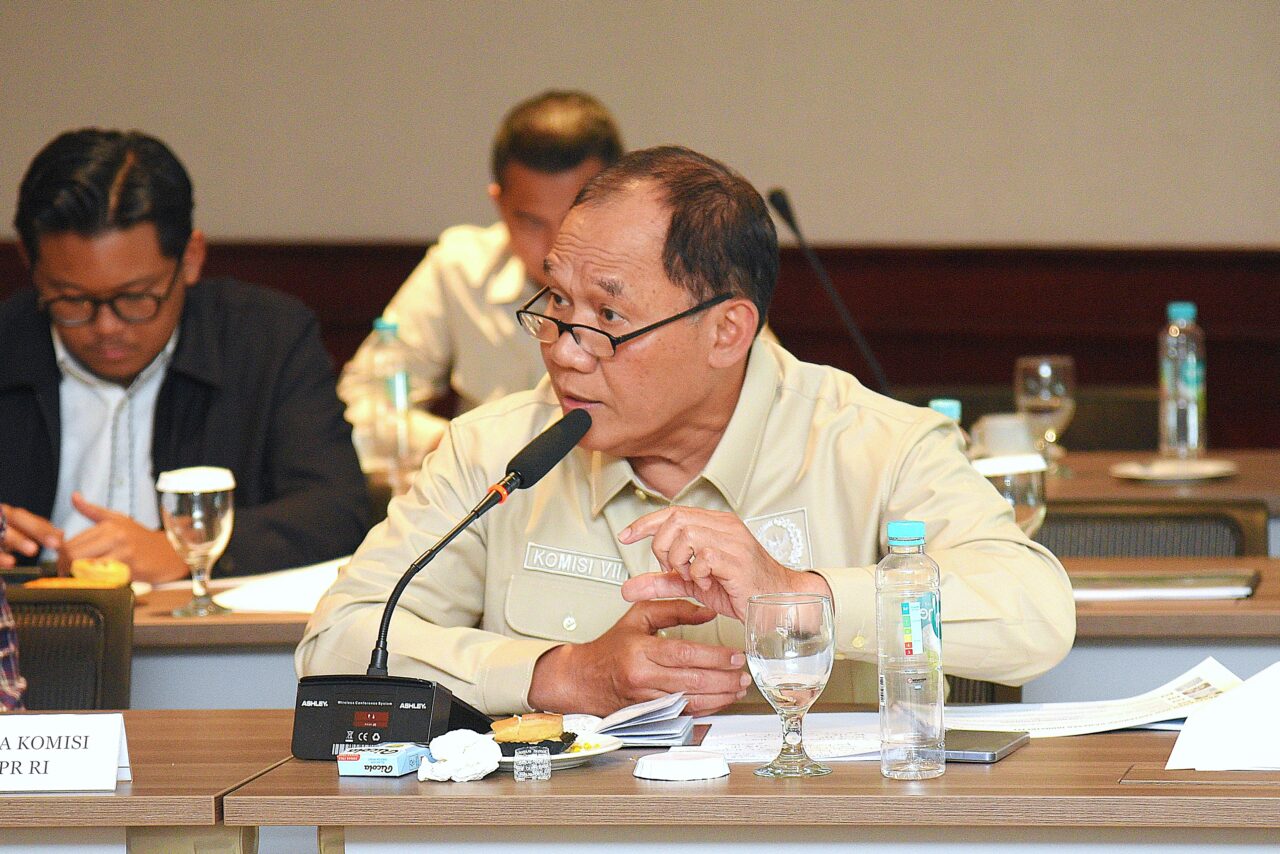
KARAWANG — A member of Commission VII of the Indonesian House of Representatives (DPR RI), Bambang Haryo Soekartono, has highlighted several issues still faced by businesses in industrial zones, ranging from energy incentives and logistics transportation costs to licensing processes. According to him, the problems identified at the Karawang International Industrial City (KIIC) are also prevalent in various other industrial zones across Indonesia.
Bambang assessed that addressing these issues is becoming increasingly urgent amidst the tendency of some investors to consider other countries, including Vietnam, as investment locations. Therefore, the government needs to maintain the competitiveness of industrial zones to ensure that companies already invested in Indonesia do not relocate their business operations abroad.
“The problems are the same. First, there is the energy issue. They require sufficient quotas for electricity, gas, and so on. And, of course, there must be incentives regarding the pricing,” said Bamberm after a working visit by the Commission VII DPR RI Working Group on the Industrial Zone Bill to Karawang International Industrial City (KIKI), Karawang, West Java, on Wednesday (26/08/2026).
The Gerindra Party politician believes that the Specific Natural Gas Price (HGBT) policy needs to be adequately provided to industries operating within industrial zones. Energy incentives are considered vital to attract businesses into these zones while simultaneously enhancing the competitiveness of the national manufacturing sector.
According to Bambang, Indonesia has approximately 180 industrial zones that require competitive energy policy support. In addition to gas, he also encouraged the provision of electricity tariff incentives for industries operating within these zones.
“Those within industrial zones must be provided with sufficient HGBT incentives for all industries present in the zone itself. Similarly, for electricity, there must be an incentive where the price is certainly lower than if the industry were located outside the zone,” explained the legislator from the East Java I constituency.
Beyond energy issues, Bambang highlighted the high cost of logistics transportation, which directly impacts industrial competitiveness. He noted that transportation is one of the largest components in the logistics cost structure and therefore requires serious attention from the government.
“Logistics transportation also significantly affects logistics costs, where 40 per cent of logistics costs stem from transportation. This also needs to be addressed by the government,” he said.
Bambang also revealed aspirations from industrial players to simplify the licensing process through a one-stop service mechanism. He noted that lengthy and fragmented licensing procedures can act as a barrier to both existing businesses and potential investors.
In addition to simplifying licensing, regulatory certainty was identified as a crucial factor in maintaining the investment climate. Bambang warned the government against frequent changes to regulations, as this can make it difficult for companies to develop long-term business and investment plans.
“The licensing they are proposing is a one-stop service. Currently, these industries apply for permits individually, which ultimately leads to difficulties. Furthermore, regulations change too frequently. Do not keep changing the rules; keep them stable,” he stated.
Bambang hopes that the discussion of the Industrial Zone Bill can serve as a momentum to rectify these various issues. The regulation is expected to be able to cut unnecessary bureaucracy, simplify licensing processes, and strengthen support for industrial players.
He believes that improvements in energy, logistics, licensing, and regulatory certainty are essential to ensure that Indonesia’s industrial zones remain competitive and capable of retaining and attracting investment amidst competition from other countries in the region.
Source: jawawa.id (https://jawawa.id/newsitem/bambang-haryo-highlights-industrial-zone-competitiveness-as-investors-consider-vietnam-1788317480)
Originally published by fraksigerindra.id (https://www.fraksigerindra.id/bambang-haryo-soroti-daya-saing-kawasan-industri-investor-mulai-pertimbangkan-vietnam/), translated from Indonesian