
Bali's Tourism Boom Traced Back to These Beaches and Hotels
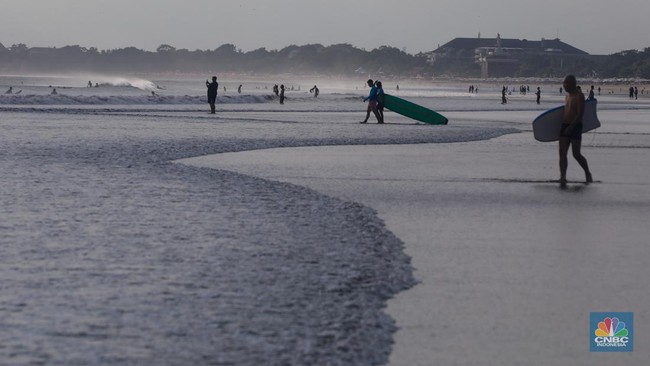
Jakarta, CNBC Indonesia - Bali is synonymous with tourism. Millions of visitors arrive each year to enjoy the beaches, culture, and world-class facilities spread across the Island of the Gods. These efforts date back to the colonial era. Historian Frances Gouda, in Dutch Culture Overseas (2008), explains that from the early 20th century, the Dutch colonial government sought to turn Bali into a ‘living museum’. The island’s unique culture, customs, arts, and community life were promoted to the Western world as a tourist attraction. From this, several areas in Bali developed with distinct characteristics to elevate the island’s name on the international stage. In Ubud, for instance, tourism development was underpinned by the strength of art and culture. One figure who helped raise Bali’s international profile was Antonio Blanco. The Spanish-born painter settled in Bali and produced works inspired by local life and culture. His presence helped reinforce Ubud’s image as a centre of art and culture that attracted foreign tourists. Meanwhile, Kuta developed through a different path. If Ubud became known through art and culture, Kuta became a symbol of the birth of modern Balinese tourism, supported by infrastructure development and tourist facilities. In the past, Kuta’s condition was far from its current glittering image. The coastal area in southern Bali was once dominated by fishing activities and a small harbour. Some historical records even mention the area was once a hiding place for pirates. Even entering the early 1970s, Kuta still lacked the facilities to serve tourists in large numbers. A turning point came in 1971 when the Kartika Plaza Beach Hotel was established in the area. The presence of this international-standard hotel marked the beginning of Kuta’s change from a coastal village into a centre of tourist activity. ‘Starting from the Kartika Plaza Beach Hotel, which later developed into the Discovery Kartika Plaza Hotel, its presence has helped shape the development of the Kartika Plaza area over the last 36 years,’ the hotel stated in an official release. As the number of tourists visiting Bali increased, various supporting facilities began to emerge around it, from restaurants and shopping centres to entertainment venues like Discovery Mall Bali, which is also part of the same group as Kartika Plaza Hotel under the auspices of Arta Graha, owned by businessman Tomy Winata. The development of modern infrastructure and tourist facilities initiated by Kartika Plaza Hotel gradually transformed the face of Kuta over the following decades. The area once known only as a coastal village slowly turned into one of Indonesia’s tourism icons, recognised worldwide. If Ubud helped introduce Bali through art and culture, then Tomy Winata’s footprint in Kuta became one of the gateways for the development of the modern tourism industry. It was from this area that one of the important chapters in Bali’s transformation into a world-class tourist destination began.