
Bali's Rice Fields Decrease Annually Due to Land Use Conversion, Says Koster
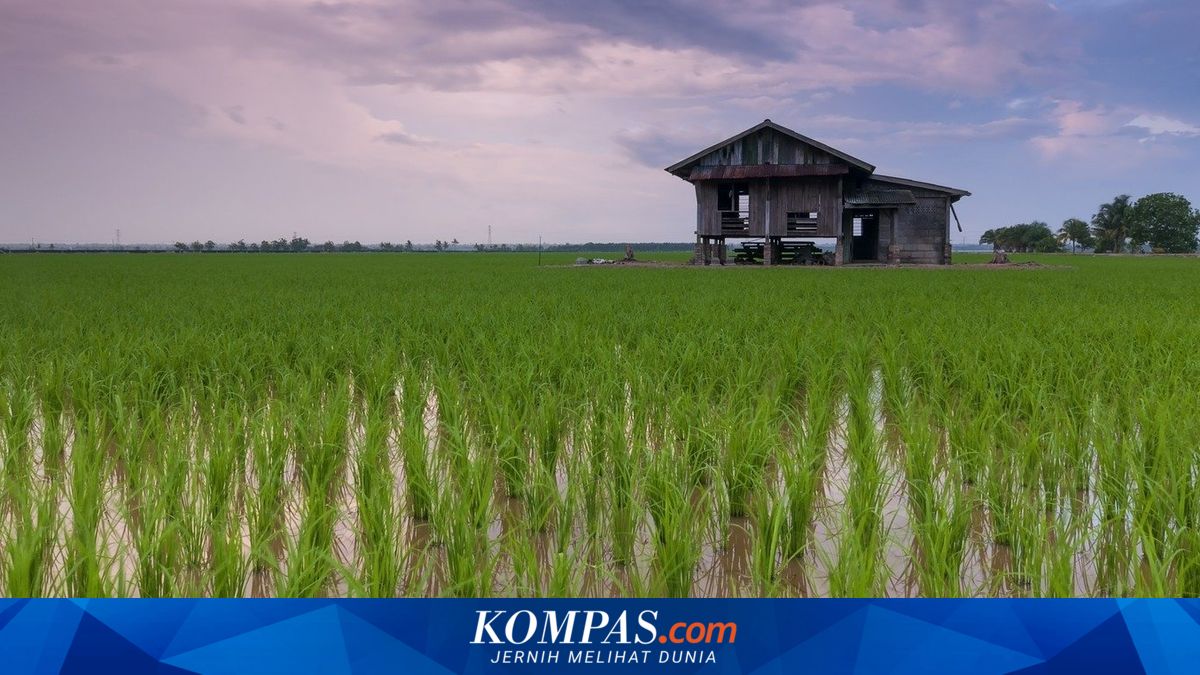
The amount of rice fields in Bali continues to decline year after year due to land use conversion. Meanwhile, development on the Island of the Gods is proliferating and uncontrolled.
Bali Governor Wayan Koster revealed that based on the report he received, the rice fields in Bali now total only 68,000 hectares.
This was disclosed during Koster’s speech on the One-Year Leadership of the Governor and Deputy Governor of Bali in Denpasar on Wednesday (25/3/2026).
“Continuously declining. During my first term, it was around 71,000 hectares,” said Koster, quoted from Kompas.com.
Meanwhile, of the remaining land, approximately 44,000 hectares or 65 percent consist of organic rice fields.
“I appeal to the leaders and council members to continue monitoring so that the conversion of productive land can be controlled. Because if not controlled, there will be even more conversion of productive land, which will threaten food availability,” explained Koster.
Previously, Bali Governor I Wayan Koster officially implemented the Regional Regulation (Perda) on Controlling the Conversion of Productive Land and Prohibiting Nominee Land Ownership Conversion. The Perda was signed on Tuesday (24/2/2026).
In his statement, Koster said that this Perda was established to provide protection for productive land for food crops.
It also includes horticultural crops and plantation crops in Bali, which have been continuously losing their carrying capacity.
“To support the achievement of food sovereignty, economic independence, and ecological balance, it is necessary to regulate the control of the conversion of productive land,” explained Koster.
According to Koster, nominee land ownership conversion has also caused economic, social, and environmental impacts on the people of Bali Province.
“For the realisation of legal certainty,” he said.
Koster stated that with this Perda, it is hoped to protect, revitalise, and ensure the availability of productive land for food crops, horticultural crops, and plantation crops.