
Bali's PSEL project deemed part of end-to-end waste management system
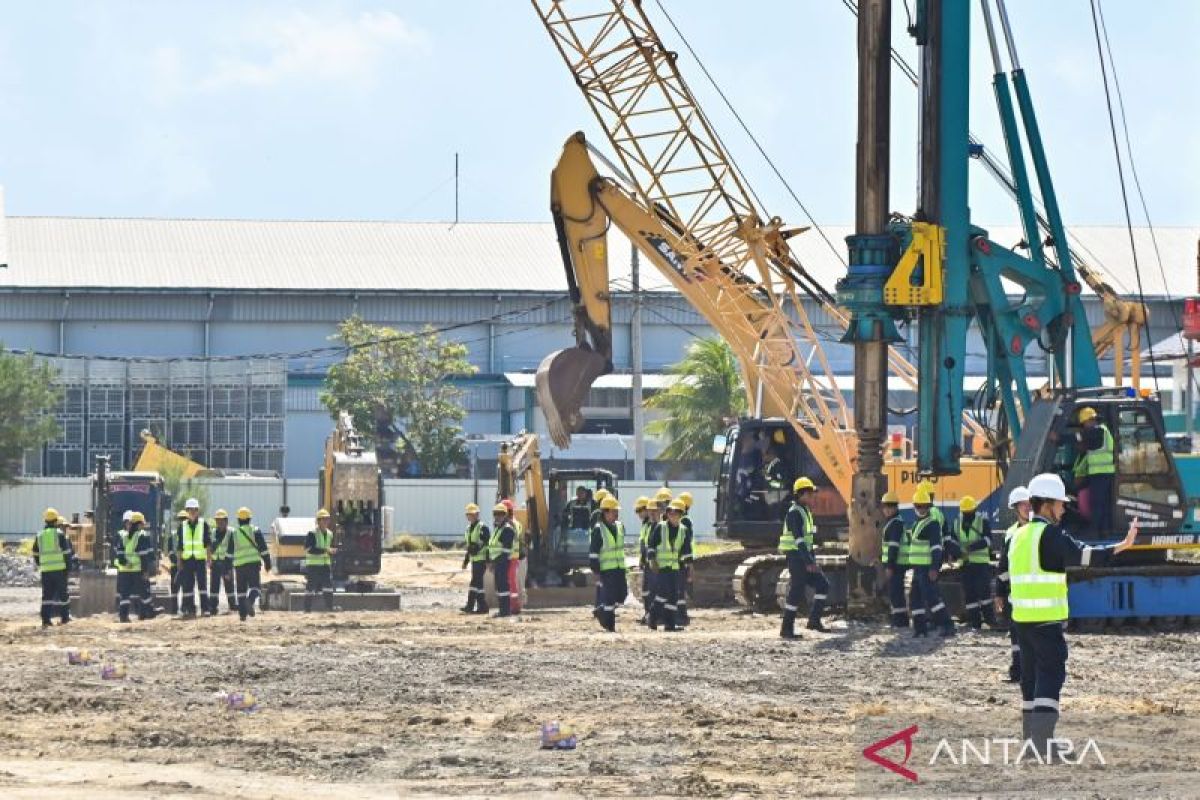
Professor Kadek Aria Prima Dewi PF, a senior lecturer at the Mpu Kuturan Institute in Bali, has assessed that the presence of the Waste-to-Energy (PSEL) facility in Bali is part of an end-to-end waste management system. “PSEL is a new endeavour that needs to be tested and monitored through its implementation, not a shortcut that renders the obligation to sort waste from home irrelevant. On the contrary, the more sophisticated the downstream facility, the more important the upstream sorting behaviour becomes,” Kadek Aria stated in a release received in Jakarta on Wednesday. Danantara Indonesia inaugurated the PSEL in Pedungan Village, South Denpasar District, Bali Province, on Wednesday, marking a new chapter in addressing Bali’s waste crisis. According to her, the success of waste management in Bali depends not only on the PSEL’s success but also on strengthening community waste handling from upstream to downstream. Bali is the first location for PSEL development by Danantara through PT Danantara Investment Management (DIM) and PT Daya Energi Bersih Nusantara (Denera). The Bali PSEL has been designated a National Strategic Project (PSN) with a total investment of Rp3 trillion, a waste processing capacity of 1,500 tonnes per day, and is projected to create up to 1,200 jobs. Bali’s waste crisis has evolved into an issue affecting the environment, health, resident comfort, tourism image, and regional development sustainability. In recent years, communities, environmental groups, traditional villages, schools, and businesses have undertaken various initiatives to reduce waste at the source, such as household sorting, organic processing, and waste banks. Ten villages in Bali have even received awards for their consistency in source-based waste sorting. Therefore, she argued, the PSEL is currently positioned as an additional instrument to handle waste that is not resolved through reduction, reuse, recycling, and organic processing. “The public must understand PSEL as part of a system that still requires their role upstream; trust and participation will be much more open,” said Kadek Aria. She emphasised that Danantara’s involvement as a strategic actor demands commensurate transparency, requiring public education and information on environmental standards, processing targets, and monitoring mechanisms so that the public has space to oversee, not merely accept, a finished project. “What Bali needs is realistic hope. PSEL can be given a chance as a new step, but that chance must be accompanied by transparency, regular monitoring, and genuine public involvement,” Kadek Aria said. Going forward, she hopes the presence of PSEL will not weaken the agenda that has already grown within the community—namely, waste sorting from home, reducing single-use plastics, strengthening waste banks, and the circular economy—but should instead complement these efforts.