
Bali's PSEL Not an Instant Solution, Upstream-Downstream Strengthening Remains Key
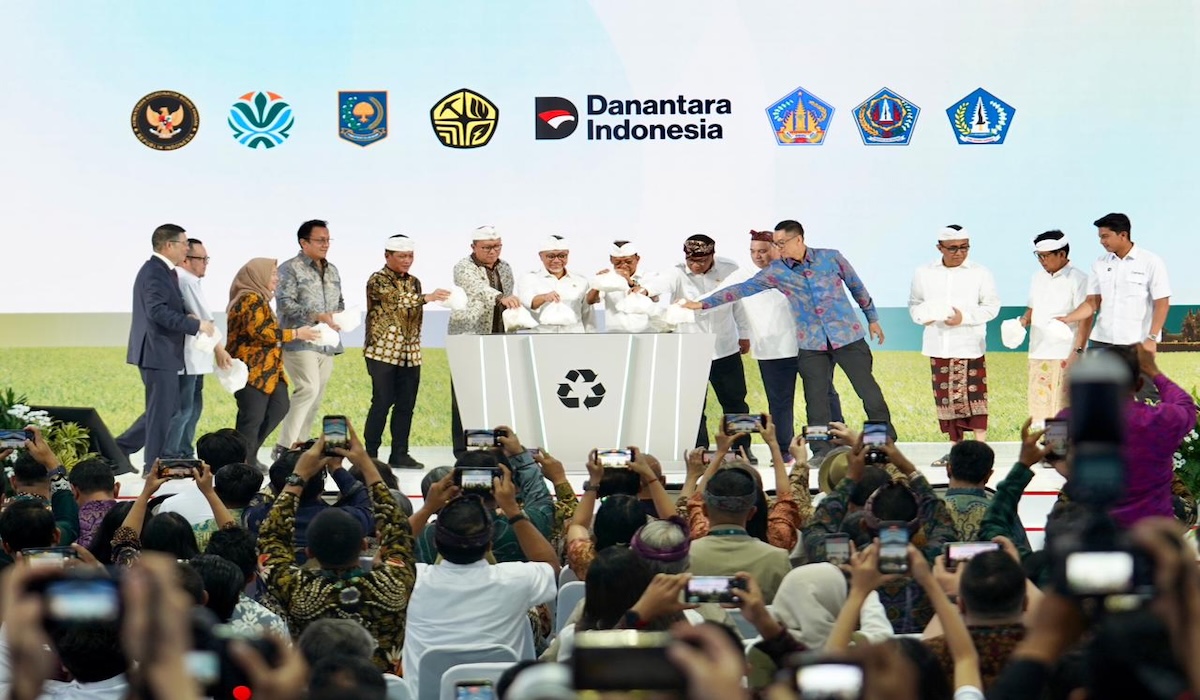
A waste-to-energy (PSEL) facility in Pedungan, South Denpasar, officially began construction on Wednesday (8/7). The project is expected to address Bali’s waste crisis, though experts warn that the technology is not a standalone, instant solution.
Professor Kadek Aria Prima Dewi from the Mpu Kuturan Institute Bali stressed that the presence of the PSEL must be viewed as both an opportunity and a complementary instrument. She noted that the sophistication of downstream facilities should not eliminate the public’s obligation to sort waste at the source.
‘PSEL is a new endeavour that needs to be tested and monitored. It is not a shortcut that makes waste sorting at home irrelevant. In fact, the more advanced the downstream facilities, the more important the behaviour of sorting at the upstream level becomes,’ Kadek Aria said on Wednesday (8/7).
The Bali PSEL project is managed by Danantara Indonesia through PT Danantara Investment Management (DIM) and PT Daya Energi Bersih Nusantara (Denera). As a National Strategic Project (PSN), the investment value reaches Rp3 trillion with a processing capacity of up to 1,500 tonnes of waste per day.
Kadek Aria added that the success of waste management in Bali depends heavily on strengthening the system from upstream to downstream. While community initiatives through waste banks and organic processing have been ongoing, the scale of the problem requires modern infrastructure support such as the PSEL.
She also demanded transparency and regular oversight in the future operation of the PSEL. The public needs to be educated on environmental standards and processing targets so that they can participate in safeguarding the project’s sustainability.
‘The hope is that the PSEL does not weaken the cultural agenda of waste sorting, the reduction of single-use plastics, and the circular economy that has already grown within the community. The PSEL should complement, not replace, these efforts,’ she concluded.