
Bali's Les Village Successfully Combines Tourism and Nature Conservation
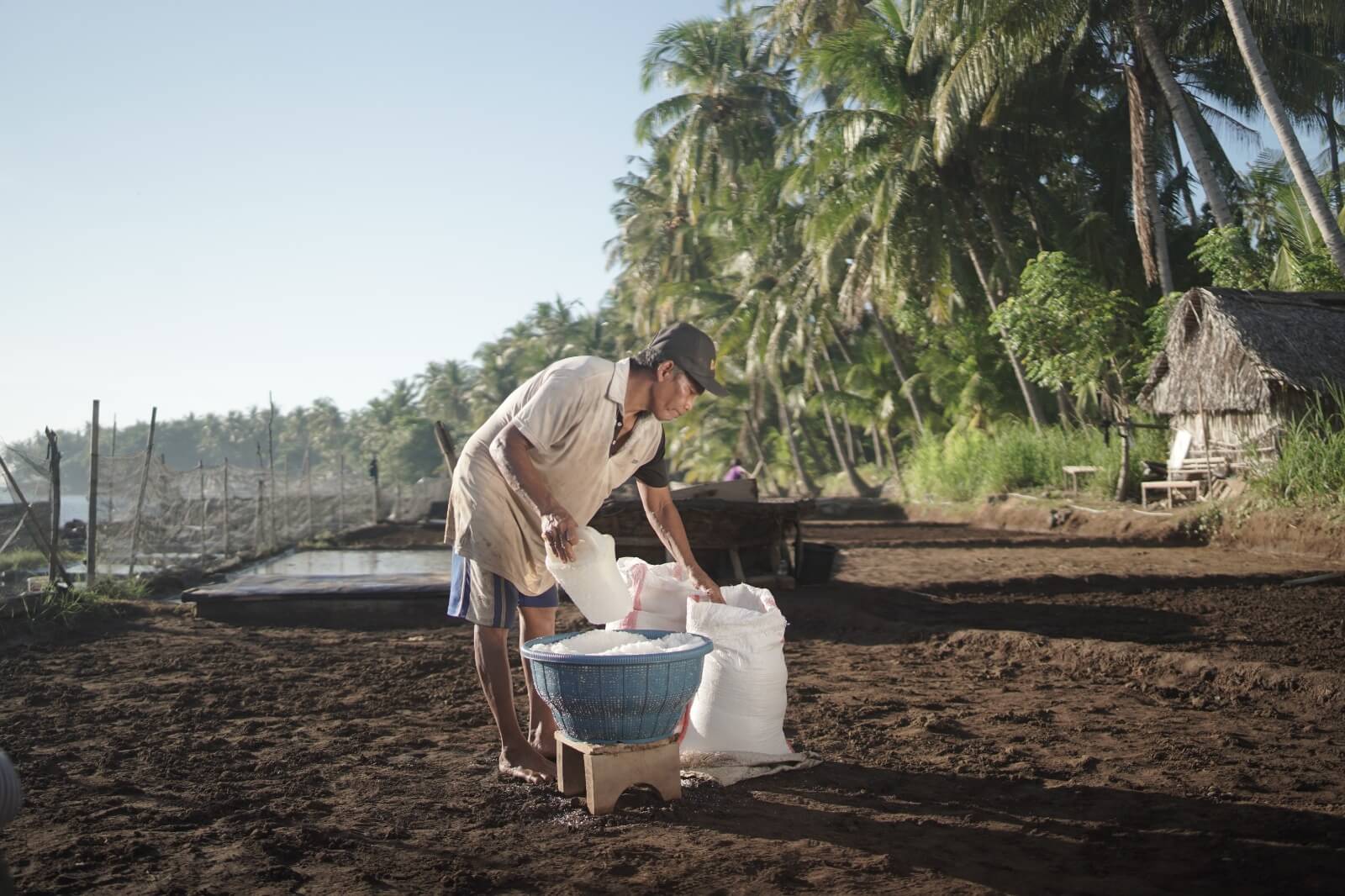
Les Village, located in the coastal area of Buleleng Regency, North Bali, has proven that regional economic development can proceed in harmony with environmental conservation and the preservation of local traditions. Through the mentoring programme Desa Sejahtera Astra (DSA), the village has transformed into an independent, community-based tourism destination. The integrated empowerment initiative, which began in 2024, targets four main pillars: entrepreneurship, environment, education, and health. The programme has reached more than 800 local residents, created dozens of new jobs, and boosted the community’s income by 25 per cent, thanks to a 100 per cent expansion in the market absorption of local products. One of the key economic drivers in Les Village is the optimisation of the entrepreneurship sector through traditional salt production. Residents consistently maintain ancestral methods of natural salt making, with a production capacity reaching two to three tonnes per harvest. To strengthen the supply chain and market value, salt farmers collaborate with the village-owned enterprise BUMDes Giri Segara and the Bali Provincial Government. This partnership has successfully opened wider market access, with regular monthly absorption of local salt commodities reaching one tonne and generating an economic turnover of approximately Rp25 million. In the environmental sector, the community actively protects the coastal ecosystem through coral reef transplantation and conservation activities. Besides safeguarding the marine ecology that attracts beach tourism, residents also implement a household-based waste management system called the Les Grow programme. Under this scheme, organic waste such as leaves is sorted from homes and supplied to the village’s Integrated Waste Treatment Facility. The waste is processed into compost used for the village’s integrated gardens or sold to the market as an alternative source of income for residents. Human capacity development is also a primary focus in Les Village. In the education pillar, a ‘Nature Class’ programme trains school-age children, from primary to senior high school, in English proficiency and basic tourism skills. This initiative aims to cultivate competent local tour guides capable of welcoming international visitors. In the health pillar, village health cadres assist residents through active integrated health posts and pregnancy education. Concrete measures are also taken by providing supplementary food regularly to reduce cases of malnutrition and stunting among children. ‘Astra hopes that the collaboration carried out through Desa Sejahtera Astra will not only drive the community’s economic growth but also maintain a balance between progress, environmental preservation, and the village’s cultural identity so that the benefits can be felt sustainably,’ said Astra’s Chief of Corporate Affairs, Boy Kelana Soebroto, in a statement on Monday. Thanks to its consistency in marrying economic and ecological aspects, Les Village was crowned the Overall Champion of the Indonesian Tourism Village Award from the Ministry of Tourism. The successful development of commodities based on local potential in Buleleng is expected to become a national pilot in achieving Indonesia’s Sustainable Development Goals targets.