
Balinese Art Works Encouraged to Enter Intellectual Property System
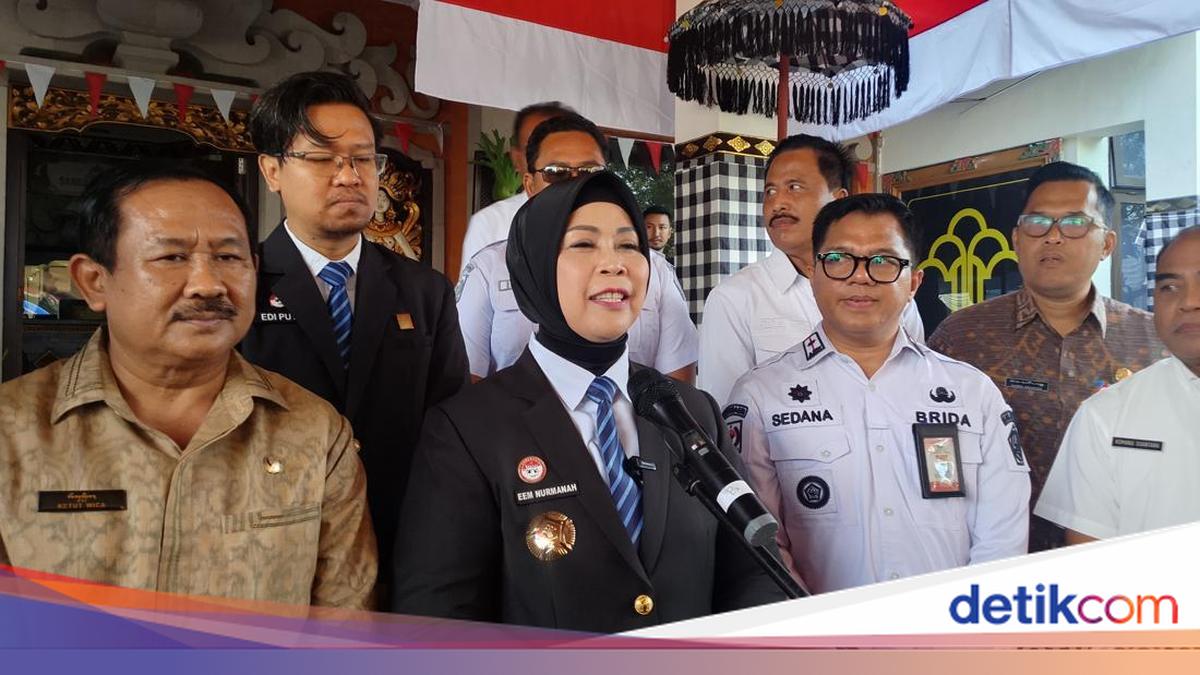
The Ministry of Law’s Bali regional office is encouraging Balinese art, traditions and local knowledge to enter the Intellectual Property protection system. The move comes amid growing public awareness of registering works and the potential of communal intellectual property in Bali.
As of 18 August 2026, 46 communal intellectual property applications had been recorded in Bali. The figure increased significantly compared with the same period the previous year, when only 15 applications were lodged, representing a rise of around 206 percent.
Head of the Ministry of Law’s Bali Regional Office Eem Nurmanah said the increase demonstrates the substantial intellectual property potential held by Balinese communities, particularly in relation to culture, tradition, art and local wisdom.
“Bali has very high intellectual property potential. For that reason, this gallery is not merely for information, but serves as education and also as a platform for sustainable collaboration with regional government,” Eem said during the 81st Pengayoman Day commemoration at the Ministry of Law’s Bali Regional Office on Wednesday (19/8/2026).
According to Eem, the rise in intellectual property applications is the reason the Ministry of Law’s Bali office is strengthening protection efforts for the works of Balinese communities. Recording cultural works is considered important so that such assets have legal certainty of protection.
“The increase in intellectual property applications in Bali and the extraordinary potential of noble works from Bali, whether culture, tradition, art or local wisdom, must be followed up. The Ministry of Law is ready to provide protection and legal safeguarding, and to have an impact on the economy, particularly in Bali,” she said.
In addition to encouraging registration, the Ministry of Law’s Bali office launched the Sanga Gumi Bali Gallery. The gallery serves as a platform for education and digital documentation of Balinese communal intellectual property, as well as a space for collaboration with regional government through the Regional Research and Innovation Agency and related institutions.
Eem said the digital transformation is being carried out so that intellectual property documentation, previously in physical form, can be accessed and utilised more widely.
“We are undergoing digital transformation, so that all intellectual property that was previously in physical form is being digitised,” she said.
On the occasion, the Ministry of Law’s Bali office also handed over a number of Copyright and communal intellectual property certificates to strategic partners. These included 10 Copyright certificates to the Indonesian Institute of the Arts Bali, six Copyright certificates to the Bali Provincial Culture Office, and work registrations from the Regional Research and Innovation Agency of nine regencies and cities in Bali.
The registered works encompass dance, digital innovation and traditional knowledge.
Eem stressed that intellectual property protection must not stop at registration and legal aspects. According to her, community works must also be able to provide economic benefits for creators and the communities that own them.
“Intellectual property is not merely about registration and legal protection, but must have an impact on improving the economy,” she asserted.
Overall, intellectual property applications in Bali as of 18 August 2026 reached 8,871 submissions. The figure increased by 34.25 percent compared with the same period in 2025, when 6,607 applications were recorded.
Applications were dominated by Copyright, with 6,569 submissions, and Trademarks, with 2,246 submissions.
Eem said the increase cannot be separated from the growing public understanding as well as collaboration with regional government and various institutions.
“The public’s understanding of the importance of intellectual property in Bali is extraordinary,” she said.
The Ministry of Law’s Bali office hopes that intellectual property registration can become an entry point for communities not only to protect cultural works, but also to develop the economic value of those works.
Source: jawawa.id (https://jawawa.id/newsitem/balinese-art-works-encouraged-to-enter-intellectual-property-system-1787122285)
Originally published by detikBali (https://www.detik.com/bali/berita/d-8625220/karya-seni-bali-didorong-masuk-sistem-kekayaan-intelektual), translated from Indonesian