
Bali Waste-to-Energy Plant Construction Begins, to Process 1,500 Tonnes Daily by 2027
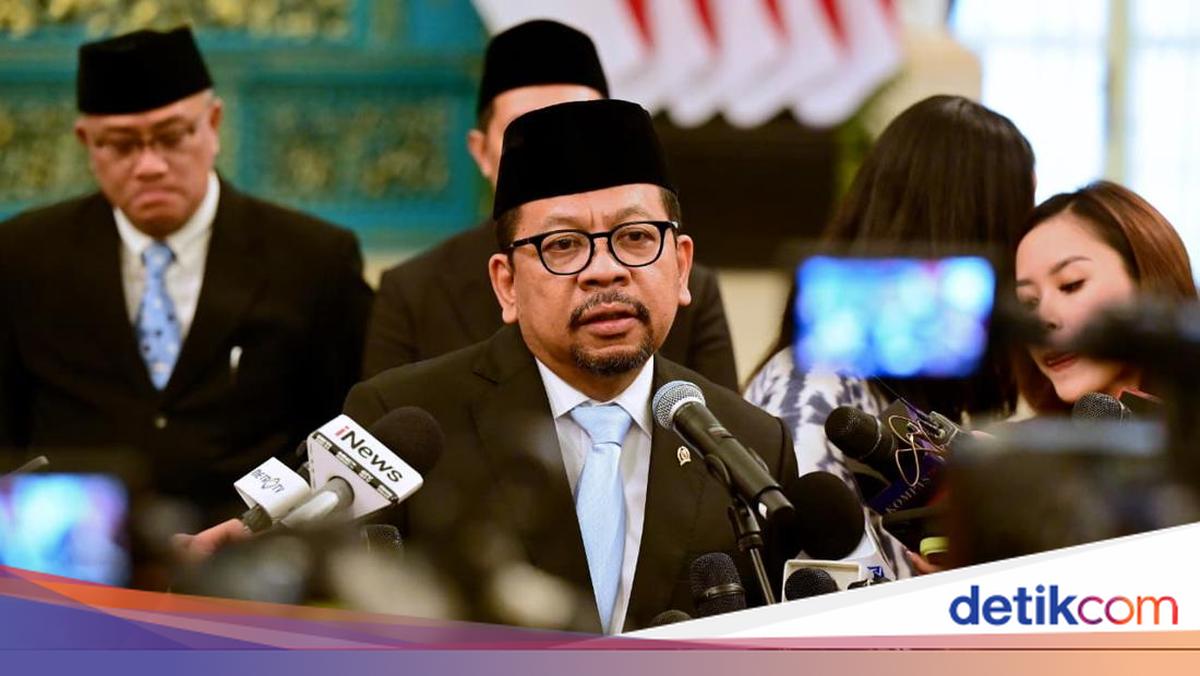
The government has begun construction of a Waste-to-Energy (PSEL) facility in Denpasar, Bali, to tackle the island’s waste emergency. Head of the Government Communication Agency (Bakom) Muhammad Qodari stated the project represents a transformation in environmental development.
“This project is part of efforts to provide a more sustainable solution to the waste problem, while optimising its use as a new, environmentally friendly energy source,” Qodari said in a statement on Monday (13/7/2026).
Qodari noted that President Prabowo Subianto has stressed that the waste issue is a shared problem requiring immediate action. The President has instructed that waste management can no longer rely on outdated methods.
“If we continue to let waste pile up without integrated management, by 2028 our landfill sites will be completely paralysed due to overcapacity,” Qodari said.
The emergency conditions on Bali, particularly at the Suwung Final Processing Site (TPA), have drawn government attention. Of the combined waste generation from Denpasar City and Badung Regency, which reaches approximately 1,600 tonnes per day, more than 72 per cent is still disposed of directly at the landfill.
In response, the government, through Danantara Indonesia, took concrete action with the groundbreaking of the Denpasar Raya PSEL facility on 8 July 2026. This move marks the implementation of Presidential Regulation Number 109 of 2025 concerning Urban Waste Management through Environmentally Friendly Technology-Based Waste-to-Renewable Energy Processing.
The modern facility, with an investment value of Rp 3 trillion, is targeted to be operational by the end of 2027. It is designed to process up to 1,500 tonnes of waste per day using moving grate incinerator technology, which automatically stirs and pushes waste through a high-temperature combustion chamber.
This system efficiently reduces waste volume by 80 to 90 per cent while converting it into electrical energy. The remaining waste will be handled comprehensively through reduce, reuse, and recycle approaches at the source.
“This is not merely about constructing a building or installing machinery, but about building a long-term solution to restore the community’s right to a clean and healthy environment,” Qodari said.
Through this environmentally friendly technology, waste is transformed into a resource with economic value that directly benefits the public. The Bali facility will serve as a pioneer and benchmark for other regions across Indonesia. Going forward, PSEL projects are projected to be established in 34 agglomeration areas to resolve waste issues in 60 to 70 regencies and cities nationwide.
Qodari expressed hope that this policy will clean up the environment, reduce waste piles that threaten public health, and contribute to lowering greenhouse gas emissions. He added that the project is expected to stimulate the local economy, with the Denpasar Raya PSEL creating around 1,200 green jobs, attracting green technology investment, and fostering a healthy economic ecosystem.
“This is a tangible manifestation of future-oriented environmental development transformation. The government is fully committed to ensuring this facility is built swiftly and on target,” Qodari said.