
Bali Was Once Part of Lesser Sunda: Is There a Connection to the Sundanese People?
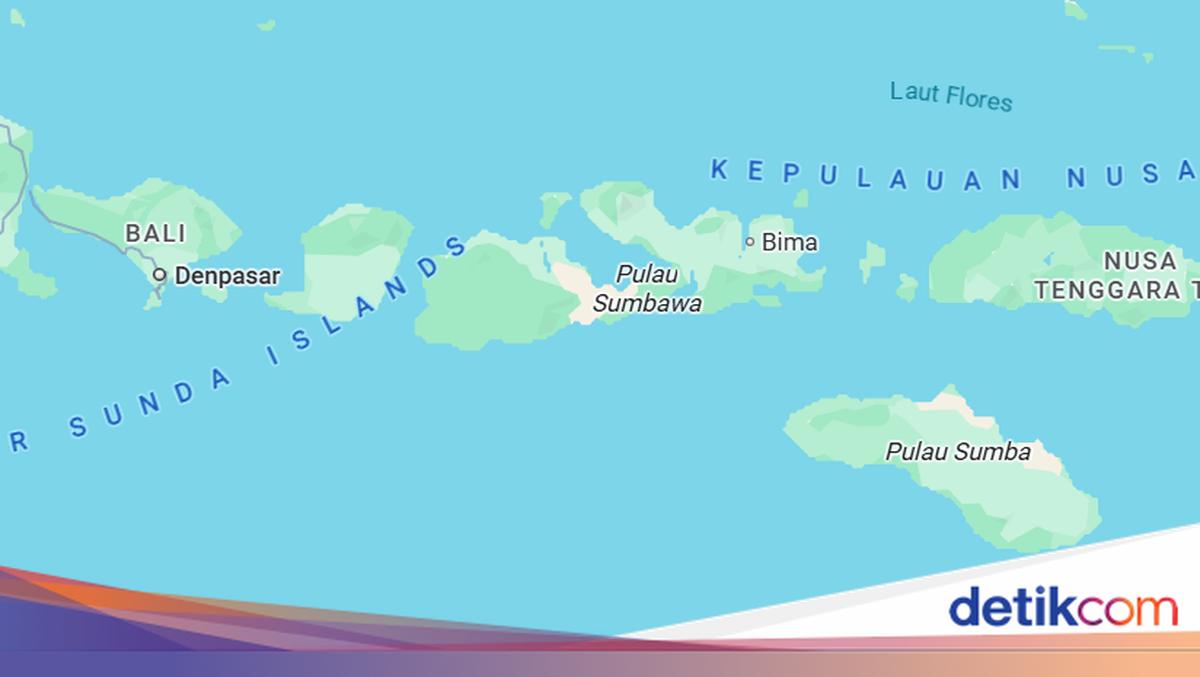
Bali holds various nicknames, from the Island of the Gods to the Island of a Thousand Temples. However, there is one moniker that is unfamiliar to some: Lesser Sunda (Suna Kecil). This title does not refer to the Sundanese ethnic group, but is instead a historical geographical term.
The term Lesser Sunda refers to the archipelago located east of Java. This region encompasses Bali, West Nusa Tenggara (NTB), and East Nusa Tenggara (NTT). So, why was Bali considered part of Lesser Sunda?
Bali, NTB, and NTT Were Once a Single Region
Lesser Sunda was more than just a term for a group of islands. In fact, the term was used as the name for an administrative region that included Bali, NTB, and NTT. Before being separated, Bali and the Nusa Tenggara islands were part of the same territory. The division into the three separate regions seen today only formed following administrative changes in the late 1950s.
Interestingly, the administrative centre of Lesser Sunda at that time was not located in Denpasar. The capital was situated in Singaraja, in northern Bali.
Singaraja Behind the History of Lesser Sunda
While Denpasar is known today as the administrative centre of Bali, the position was different in the past. Singaraja served as the capital of the Lesser Sunda Islands until 1958. Located in northern Bali, the city also played a vital role in trade and governance during that era.
A key supporter of Singaraja’s importance was the Buleleng Port. This port once served as a distribution hub for goods travelling from Bali to NTB and NTT, and vice versa. The bustling port activity contributed to the development of the surrounding area as a commercial centre.
Traces of that era can still be found around the Buleleng Port area. Several old buildings related to port activities still stand today, serving as a reminder that Singaraja once held a significant role in inter-island relations within the Lesser Sunda region.
1958: When Lesser Sunda Began to Change
The unity of the Lesser Sunda region did not last forever. In 1958, the government implemented changes to the administrative division that resulted in the region no longer being part of a single province.
Through Law Number 64 of 1958, the former province of Lesser Sunda was divided into three provinces: Bali, West Nusa Tenggara, and East Nusa Tenggara. Since then, the three have developed as their own respective administrative regions. Bali became its own province, as did NTB and NTT. This division formed the administrative map known to this day.
So, Why is Bali Called Lesser Sunda?
The designation of Lesser Sunda in relation to Bali has no connection to the Sundanese ethnic group. The term is linked to the history and the division of the region east of Java, which includes Bali and the Nusa Tenggara islands.
Its historical traces can be seen in Singaraja, which once served as the administrative centre of the region. Following administrative changes, Bali, NTB, and NTT each became independent regions based on Law Number 64 of 1958 concerning the Formation of Level I Regions of Bali, West Nusa Tenggara, and East Nusa Tenggara.
Therefore, the name Lesser Sunda attached to Bali is part of the historical journey of the region, rather than an indication that the Balinese people have a connection to the Sundanese ethnic group.
Source: jawawa.id (https://jawawa.id/newsitem/bali-was-once-part-of-lesser-sunda-is-there-a-connection-to-the-sundanese-people-1790221896)
Originally published by detikBali (https://www.detik.com/bali/berita/d-8676656/bali-pernah-jadi-bagian-dari-sunda-kecil-ada-kaitan-dengan-suku-sunda), translated from Indonesian