
Bali Tourism Village Forum prepares disaster-resilient villages following Sade fire
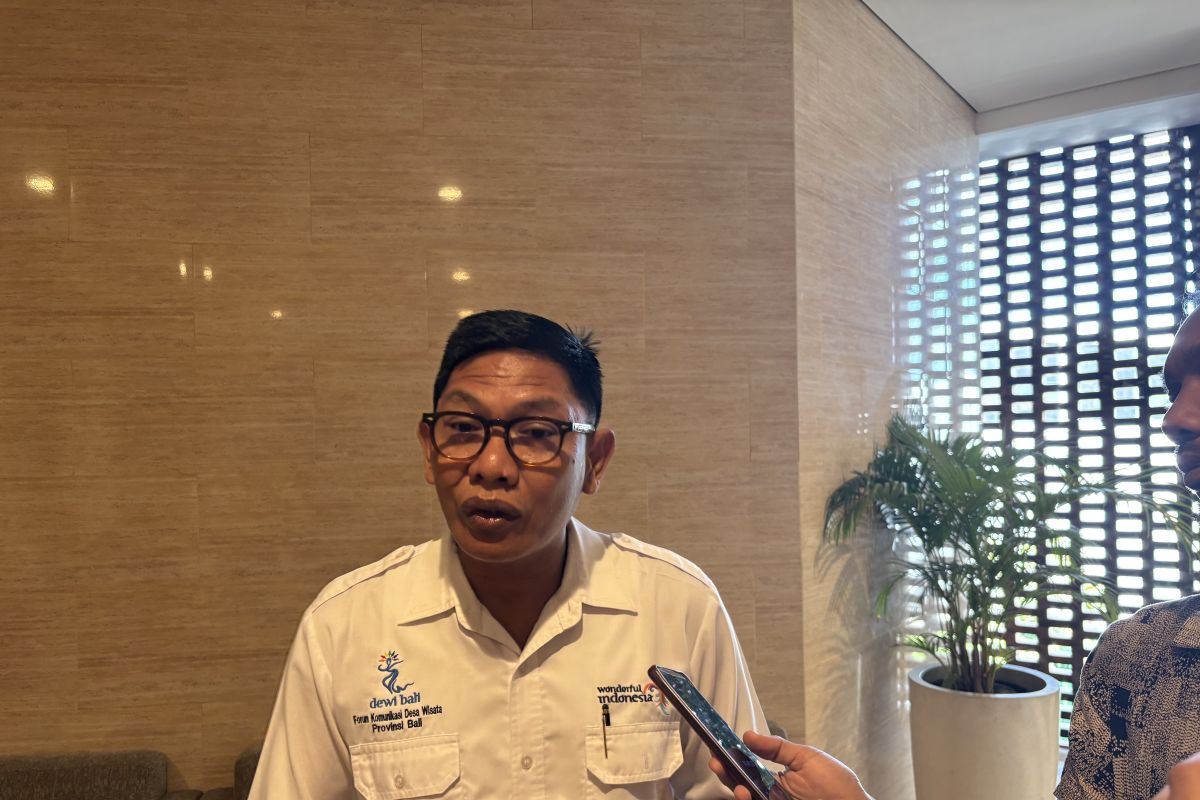
Denpasar (ANTARA) - The Bali Tourism Village Communication Forum (Forkom Dewi) is preparing the establishment of disaster-resilient tourism villages to anticipate various potential disaster risks, drawing lessons from the fire that struck Sade Tourism Village in Central Lombok, West Nusa Tenggara.
‘This needs to be a lesson. We should not only be capable of developing, but the disaster risk must be prepared from pre-disaster to post-disaster,’ said Forkom Dewi Bali Chairman I Made Mendra Astawa in Denpasar on Wednesday.
Mendra said the existence of tourism villages in Bali, which currently number 245, is dominated by the utilisation of natural and cultural potential that is directly attached to settlements and residents’ houses.
This characteristic bears similarities to Sade Tourism Village, one of which is Penglipuran Tourism Village in Bangli, which is based on a settlement complex.
Although Penglipuran has a more spacious layout between yards and has implemented sustainability standards, Forkom Dewi Bali views the factors of safety, comfort, and preparedness of all tourism stakeholders as vital aspects to minimise the impact if a similar disaster occurs.
To realise this preparedness, Forkom Dewi Bali is exploring cooperation and collaboration with the Bali Regional Disaster Management Agency (BPBD) in developing a model and standard operating procedures (SOP) for disaster mitigation specifically for tourism village areas.
These mitigation measures include the preparation of safety governance, the utilisation of Cleanliness, Health, Safety, and Environment Sustainability (CHSE) standards, and the formulation of behaviour rules for tourists to prevent careless actions that trigger disasters.
He cited nature-based activities such as trekking routes in forest areas that are highly vulnerable to fire hazards due to negligence in burning rubbish or careless disposal of cigarette butts.
Mendra added that the provision of disaster infrastructure and response facilities in rural areas is not solely the task of the government or managers, but a shared responsibility involving the community, business actors, and the mass media.
‘Do not only think about profit, because we see with all the limitations, some villages certainly do not have insurance. That is why we need preparedness. Through this activity, I am interested in developing a disaster-resilient tourism village model going forward,’ said Mendra.
As is known, the traditional Sasak tribal village of Sade in Central Lombok, West Nusa Tenggara, caught fire on Saturday night (22/8). The fire spread quickly because all the buildings in the cultural tourism village were made of natural materials. According to residents, the flames immediately soared high starting at 7.30 pm local time.
The fire destroyed around 120 buildings and affected 120 families or approximately 320 people. In addition to residents’ homes, a number of buildings supporting the community’s cultural and economic activities were also affected.
The fire disaster at the tourism village destination serves as a reminder that future tourism destination development must increasingly prioritise the principles of sustainability, including disaster preparedness and mitigation.
Source: jawawa.id (https://jawawa.id/newsitem/bali-tourism-village-forum-prepares-disaster-resilient-villages-following-sade-fire-1787745443)
Originally published by Antara (Indonesian) (https://www.antaranews.com/berita/5711972/forkom-dewi-bali-siapkan-desa-tangguh-bencana-berkaca-kasus-sade), translated from Indonesian