
Bali Sea Oil and Gas Exploration Shows Indonesia’s Energy Potential Remains Promising
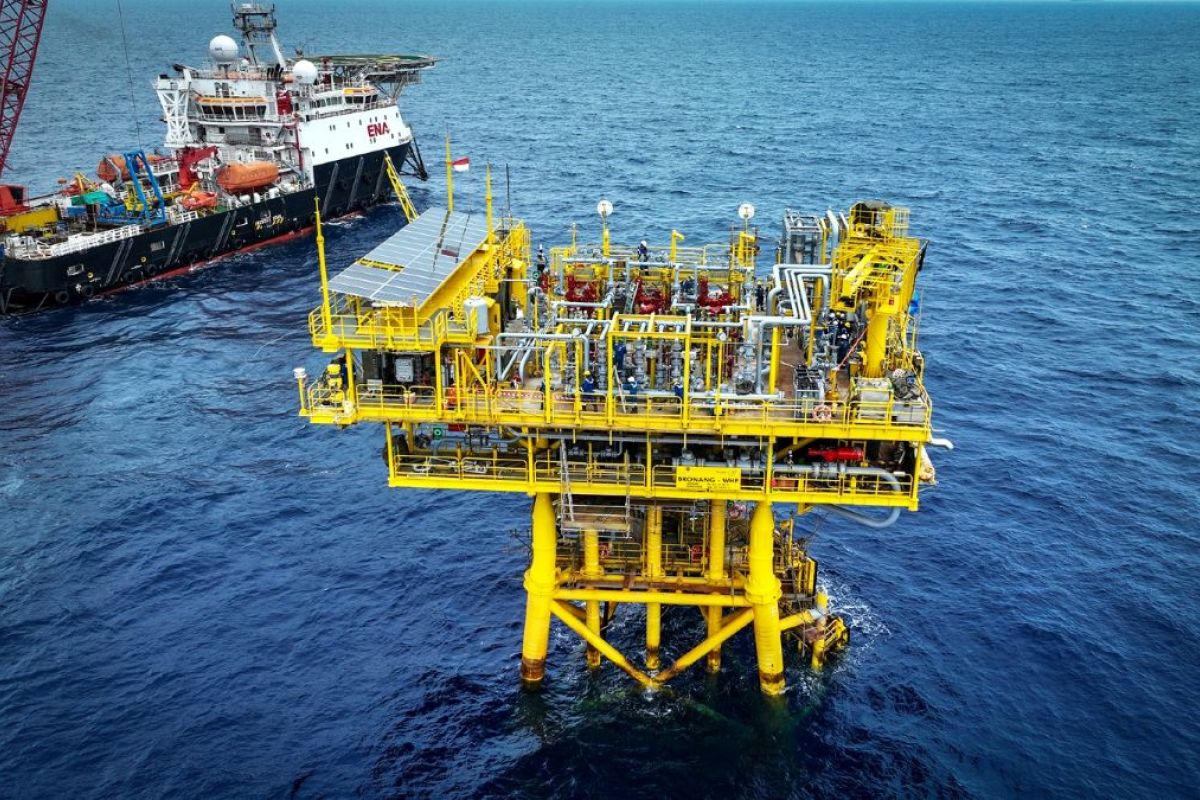
Jakarta (ANTARA) — The move by energy companies BP and Inpex Corporation to share participating interests in the Agung I and Agung II oil and gas working areas off Bali is a strong signal that Indonesia’s energy potential remains promising.
Yayan Satyakti, an energy economics observer at Padjadjaran University (Unpad), said in a statement in Jakarta on Saturday that BP and Inpex’s involvement had a highly strategic role in the national energy-security roadmap.
“Both are known for their financial and technological capacity to manage major oil and gas blocks in the country,” he said.
BP is currently Indonesia’s largest gas producer. Data from oil and gas regulator SKK Migas for January to July 2026 show that BP Berau supplied around 1,478 million standard cubic feet per day (MMSCFD), or 28 per cent of national gas distribution. Most of this comes from the Tangguh LNG facilities in Teluk Bintuni, West Papua.
BP’s follow-on projects, including Ubadari and a US$7 billion carbon capture, utilisation and storage (CCUS) facility, are also expected to unlock 3 trillion cubic feet (TCF) of new gas supply from 2028.
Inpex, meanwhile, controls the Abadi Project in the Masela Block, one of the largest undeveloped gas reserves. The project is designed to produce 9.5 million tonnes of LNG a year and 150 MMSCFD of piped gas for the domestic market, with investment estimated at US$20.9 billion.
Building on their track records, BP and Inpex have committed to invest US$42.7 million in the Agung I and Agung II oil and gas working areas in waters off Bali. The consortium plans extensive seismic surveys, covering 285 kilometres of 2D seismic surveys and 3,650 square kilometres of 3D surveys.
“Every year of delay erodes around 10 per cent of the project’s present value in state revenues. A four-year delay wipes out a third of it. Support from the governor is important, particularly on matters within the regional government’s authority,” he said.
However, he cautioned that significant challenges lie ahead. Alongside an estimated geological success probability of around 20 per cent in the deep-water frontier area, project economics and certainty over domestic gas sale prices will be crucial to taking it through to a final investment decision (FID).
If a major gas discovery off Bali comes to fruition, it is expected not only to strengthen regional revenues through revenue-sharing funds (DBH), but also to provide an independent electricity supply for the Island of the Gods during the energy transition.
“Bali still depends on a cable from Java for around 270–340 MW,” Yayan said.
Source: jawawa.id (https://jawawa.id/newsitem/bali-sea-oil-and-gas-exploration-shows-indonesias-energy-potential-remains-promising-1792216247)
Originally published by Antara (Indonesian) (https://www.antaranews.com/berita/5792977/eksplorasi-migas-laut-bali-bukti-potensi-energi-ri-masih-menjanjikan), translated from Indonesian