
Bali Ranks Among the World’s Top Four Islands for 2026: Five Key Attractions
Bali has plenty of reasons to remain a sought-after destination for travellers from around the world. Beyond its exotic beaches and sunset views, the Island of the Gods offers a rich culture, spiritual traditions, wellness tourism and diverse cuisine. This combination has placed Bali fourth on Travel + Leisure’s World’s Best Awards 2026 list of the world’s best islands.
Bali ranks behind Koh Samui in Thailand, the Maldives and the Galápagos Islands in Ecuador. It is also the only Indonesian destination to feature in the top 10.
The achievement reflects Bali’s appeal among Travel + Leisure readers, who took part in the awards survey. But the island’s strengths go beyond its popularity. It offers a wide range of holiday experiences, from marine tourism and adventure to opportunities to learn about local culture and find tranquillity.
Visitors can surf, visit temples, explore traditional villages, sample local food and take yoga classes on a single trip. This range of experiences makes Bali attractive to travellers with different interests and holiday styles.
So what makes Bali special enough to rank among the world’s top four islands for 2026? Here are five of its main attractions.
1. Exotic beaches and world-class surfing spots
Beaches are one of Bali’s main tourism draws. They vary widely, from stretches of white sand and cliffs rising above the sea to areas with waves that attract surfers.
Uluwatu is known internationally as a popular surfing destination. Its waves challenge experienced surfers. Meanwhile, beaches in Canggu offer a range of surf conditions, including options for beginners with appropriate supervision.
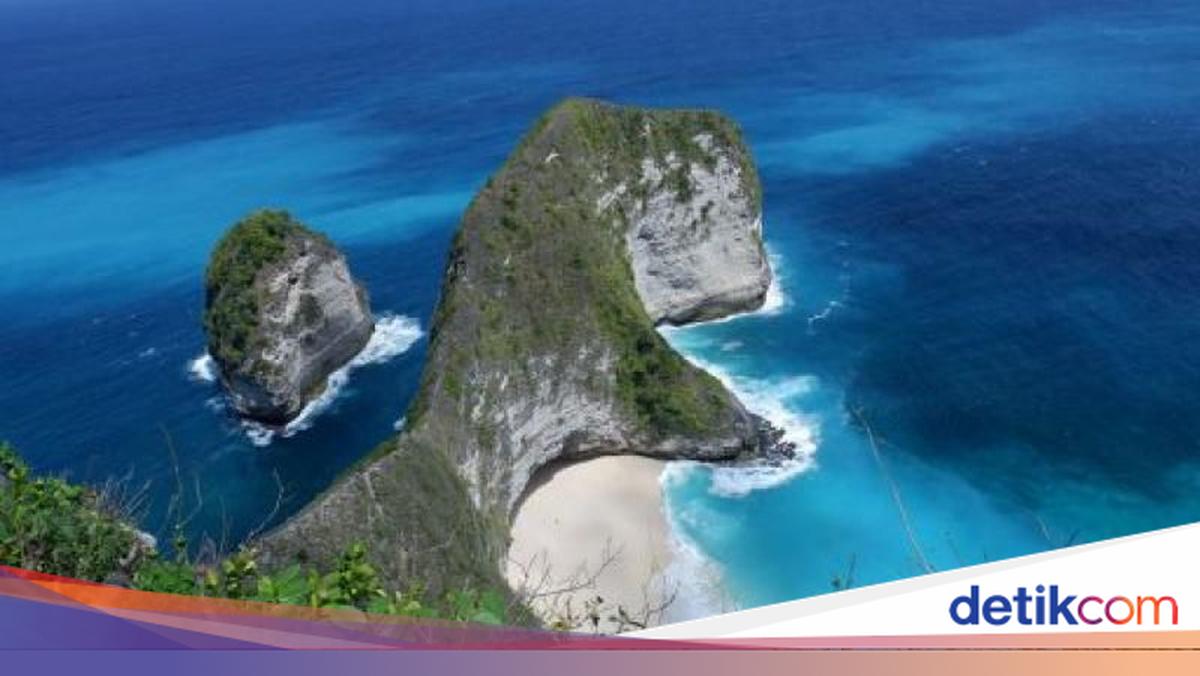
For visitors who prefer taking in the scenery, Bali also has beaches where they can relax and watch the sunset. On Nusa Penida, Kelingking Beach and Diamond Beach are known for their dramatic cliffs, sand and sea views.
This variety means Bali suits not only water-sports enthusiasts but also visitors who want to enjoy nature or simply unwind. The experience differs depending on which stretch of coast they visit.
2. A living culture and temples
Natural beauty is not the only reason Bali attracts global attention. Balinese Hindu traditions remain an important part of local people’s lives.
Temples, religious ceremonies, dance, crafts and customary rules shape Bali’s cultural identity. Popular temples among visitors include Tanah Lot, Luhur Uluwatu and Lempuyang.
These temples are not merely tourist attractions or photo backdrops. They serve religious purposes and are used for worship. Visitors should therefore respect the rules, dress appropriately and avoid disrupting ceremonies.
Visitors can also learn about Balinese culture by going to traditional villages. Tenganan Pegringsingan village in Karangasem, for example, is known for its local traditions and gringsing cloth. Trunyan village in Bangli has a distinctive burial tradition that differs from practices common elsewhere in Bali.
Culture that continues to be practised by local communities is a particular draw for visitors seeking more than a tour of popular sites. Bali offers the chance to understand how tradition, belief and everyday life are interconnected.
3. A haven for wellness, yoga and relaxation
With busy routines, some travellers seek holidays that give them time to rest and recharge. Bali caters to this demand with a range of wellness options, from yoga and meditation to spa treatments and retreats.
Ubud is one of the areas associated with these activities. Its natural surroundings, rice fields, yoga studios and relaxation centres appeal to visitors looking for a more peaceful holiday.
Similar options are available in Canggu and other tourist areas. Visitors can plan an itinerary combining exercise, body treatments and time in nature.
The popularity of wellness tourism has broadened Bali’s image beyond a destination for adventure and entertainment. It is also an option for those seeking a more relaxed pace.
Although such trips are often described as a form of healing, the benefits vary from person to person. Wellness activities are better viewed as recreation and self-care, rather than a substitute for medical treatment.
4. Local cuisine and a modern lifestyle
Bali’s appeal is also reflected in its food. Visitors can find both traditional dishes passed down through generations and restaurants serving international cuisine.
Local dishes worth trying include ayam betutu, sate lilit, nasi campur Bali and lawar. These introduce visitors to the flavours, ingredients and culinary traditions of the local community.
Seminyak, Canggu and Ubud, meanwhile, offer a wide choice of cafés, restaurants and places to relax, each with its own style. Options include open-air dining, restaurants by the sea and lively nightlife venues.
The blend of traditional food and a modern lifestyle gives visitors plenty of ways to spend time beyond nature-based activities. Dining can also become an important part of the trip.
But enjoying Bali does not mean visiting only places that are popular on social media. Exploring local warung eateries and trying traditional dishes can offer a closer connection to everyday life in the community.
5. A wealth of experiences on one island
One of Bali’s strengths is the range of activities available on a single trip. Visitors can combine nature, culture, adventure, food and relaxation without travelling to another island.
A holiday might begin with watching the sunrise, followed by a visit to rice fields or a traditional village and a taste of local cuisine. In the afternoon, visitors can relax on the beach or attend a yoga class.
This variety also makes Bali suitable for different types of traveller. Couples can plan a romantic holiday, families can choose activities suitable for children, and adventure enthusiasts can try trekking, snorkelling or surfing according to their ability.
Visitors should nevertheless take distances and journey times into account. Traffic and road conditions can make trips between areas take longer than expected. Grouping destinations by location can make travel more comfortable.
The range of experiences also gives visitors a reason to return with a different itinerary. A first visit might focus on beaches, while a later trip could centre on culture, food or wellness activities.
The world’s 10 best islands for 2026
Bali ranks fourth on Travel + Leisure’s World’s Best Awards 2026 list. The 10 islands, according to the ranking cited, are:
Koh Samui, Thailand
Maldives
Galápagos Islands, Ecuador
Bali, Indonesia
Phuket, Thailand
Seychelles
Fiji
Sri Lanka
Dominica
Zanzibar, Tanzania
The ranking reflects the island destinations and travel experiences preferred by respondents to Travel + Leisure’s survey. It does not mean that one destination outperforms all the others in every aspect of tourism.
Source: jawawa.id (https://jawawa.id/newsitem/bali-ranks-among-the-worlds-top-four-islands-for-2026-five-key-attractions-1791539465)
Originally published by detikBali (https://www.detik.com/bali/wisata/d-8699436/bali-masuk-4-besar-pulau-terbaik-dunia-2026-ini-5-daya-tariknya), translated from Indonesian