
Bali PSEL Project Marks Start of Modern Waste Processing Implementation
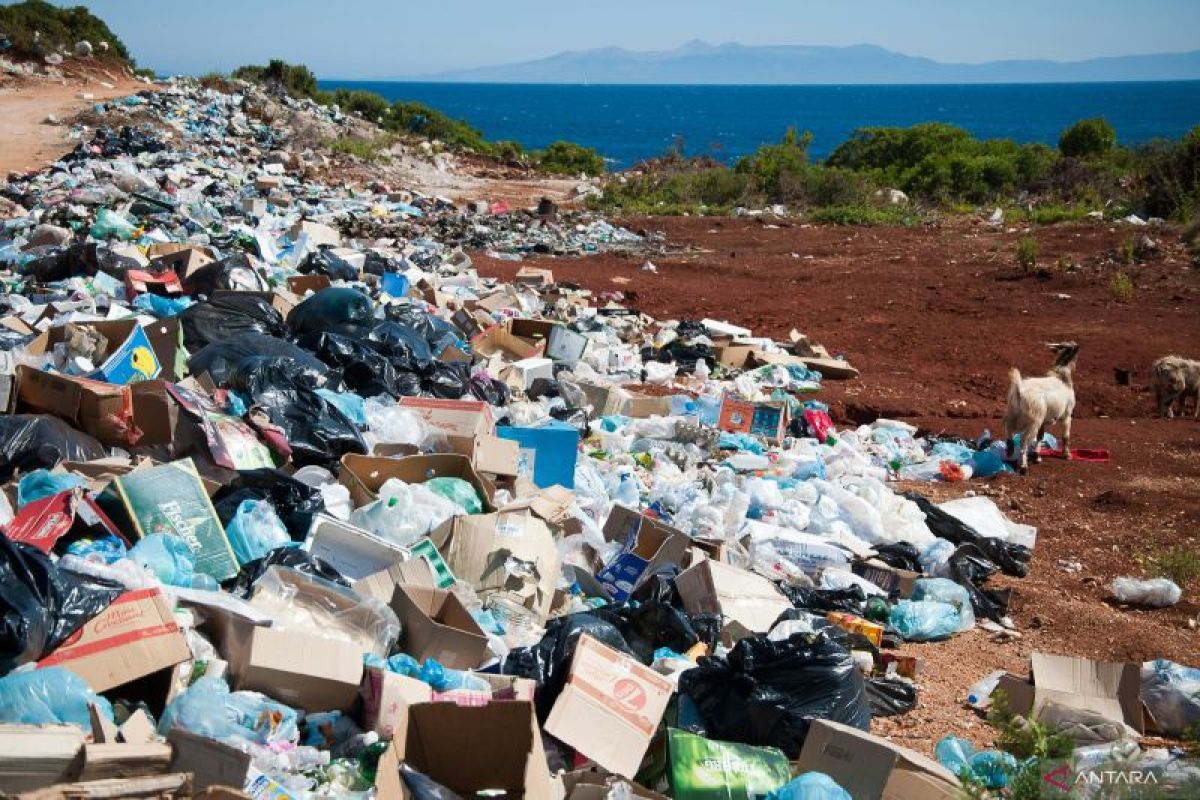
“We want to ensure that residual waste, which has long been an environmental burden, can be processed responsibly and deliver real benefits through the provision of cleaner and more sustainable energy.”
Jakarta (ANTARA) — The construction of a Waste-to-Energy (WtE) facility, known locally as PSEL (Pengolahan Sampah menjadi Energi Listrik), in Bali marks the start of the implementation phase of a modern waste processing system in Indonesia, following various technical, investment and technology selection stages.
Fadli Rahman, Chief Executive Officer of PT Daya Energi Bersih Nusantara (Danera), said the construction of the PSEL focuses not only on power generation but also on building an integrated waste management system from upstream to downstream.
“We want to ensure that residual waste, which has long been an environmental burden, can be processed responsibly and deliver real benefits through the provision of cleaner and more sustainable energy,” Fadli said in Jakarta on Friday.
The WtE facility will be built in the Pedungan area of South Denpasar, with a processing capacity of 1,500 tonnes of waste per day — equivalent to around 500 waste collection trucks daily.
The facility is targeted for completion and to begin phased operations in the first half of 2028.
The project development process began following the issuance of Presidential Regulation Number 109 of 2025 in October 2025.
Fadli explained that the Bali PSEL uses moving grate incinerator technology, which is employed in roughly 75-80 percent of WtE facilities worldwide.
The technology adheres to the emission standards of the European Industrial Emissions Directive (EU IED), which are stricter than those of older-generation incinerators.
In the process, mixed waste is dried for five to seven days to reduce its moisture content, then burned at temperatures above 850 degrees Celsius to break down hazardous compounds.
The heat from combustion produces high-pressure steam that drives turbines to generate electricity, which is then fed into the PLN grid.
Residues from the process are also repurposed. Leachate is treated into clean water, while bottom ash is used as raw material for concrete blocks and construction materials.
With this technology, emissions per tonne of waste are claimed to be reduced by up to 80 percent compared with waste left in landfills.
Beyond reducing the environmental burden, the Bali PSEL is projected to process around 44 percent of the total waste generated on the island of Bali and lower health risks for communities living near landfills.
The project is also expected to create up to 1,200 green jobs, prioritising local workers.
In terms of energy, the facility is targeted to produce electricity equivalent to the annual needs of around 100,000 households.
The electricity generated will be absorbed by PLN through a long-term Power Purchase Agreement (PPA), with tariffs referring to Presidential Regulation Number 109 of 2025 at 0.20 US dollars per kilowatt-hour.
The scheme is expected to improve the project’s financing viability, making it more attractive to investors.
Furthermore, the construction of the PSEL also involves international technology partners selected through a technology selection process.
As previously reported, the government this week officially launched the construction of the first phase of the WtE facility in Bali.
The launch also marked the start of PSEL project development in three regions, namely Denpasar Raya, Bekasi City and Bogor City.
The three projects are part of the National Strategic Projects under Presidential Regulation Number 109 of 2025 and are coordinated by PT Daya Energi Bersih Nusantara (Danera), which was established by Danantara Indonesia.
Bali is the first location to begin physical construction, with an investment value of around Rp3 trillion, or the equivalent of 170.4 million US dollars.
The island was chosen because it faces an increasingly pressing waste problem amid limited landfill capacity.