
Bali Provincial Government Confident of Reaching Net Zero Before 2045
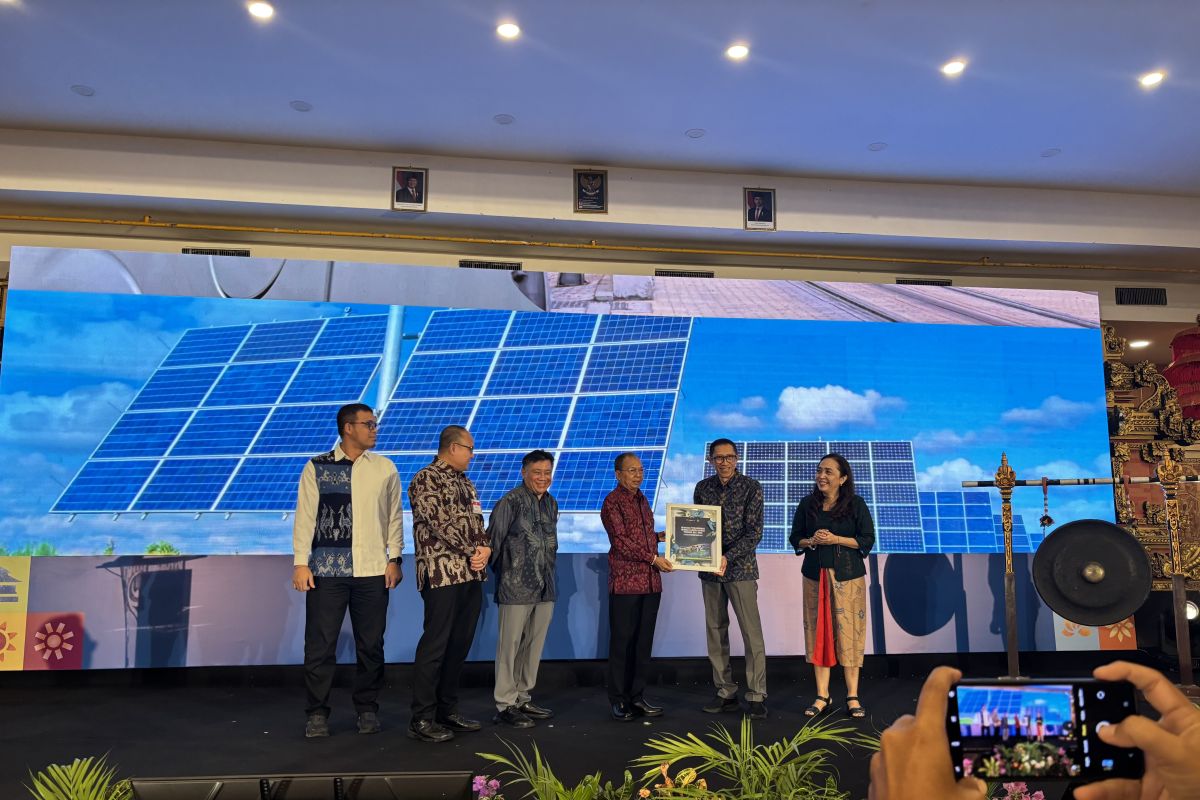
Denpasar, Bali (ANTARA) – The Bali Provincial Government is confident that the island can achieve net-zero carbon emissions before 2045.
“It does not have to be 2045; I think it could be achieved by 2040,” Bali Governor Wayan Koster said at Bali Climate Week 2026 in Denpasar on Tuesday.
Koster said his confidence was based on the provincial government’s progressive steps. Bali has reached an agreement with the Ministry of Energy and Mineral Resources and state electricity company PLN to stop additional electricity supplies from the Paiton coal-fired power plant in East Java and shift entirely to clean energy.
Bali’s electricity transition is expected to be supported by the phased construction of 1,550 megawatts of gas-fired power capacity from this year through 2031, alongside widespread use of solar power plants.
Fossil-fuel power plants, including coal and diesel facilities, are to be phased out, with their operation due to end within five years at the latest.
“If the gas-fired power plants are built by 2031, and solar power plants have now been allocated a quota of 1,000 megawatts by the President, then all energy in Bali will come from environmentally friendly sources: solar and gas,” Koster said.
The energy transition is also being accelerated through regional regulations requiring rooftop solar panels as a mandatory condition for obtaining building approval (PBG).
The provincial government, together with regents and mayors, has agreed that permits for new buildings will not be issued unless applicants implement solar power, electric vehicles, a ban on single-use plastics and waste management at source.
Alongside changes to electricity generation, Koster is also promoting a major drive to use battery-electric vehicles to reduce emissions sharply in the near future.
“With the use of electric vehicles being stepped up further, 90 per cent of emissions from coal and oil will decline more quickly,” he said.
Koster said he was undeterred by pressure or obstacles from parties whose interests were affected by the energy transformation policy.
“You have to be prepared to be bullied. Being bullied is part of what a leader has to accept, so it is all right,” he said.
Suzanty Sitorus, steering committee member of the Bali Emissions Zero Coalition, said the island’s target of achieving net-zero emissions ahead of 2045 was entirely realistic.
She said battery-electric vehicles currently account for 17 per cent of new vehicle sales in Indonesia. Adoption has already surpassed the level in the United States, although it remains below that of several neighbouring ASEAN countries.
Sitorus identified two main factors that could help Bali reach its accelerated net-zero target. The first is a surge in petrol prices, which has caused long queues and congestion and is prompting people to switch naturally to electric vehicles.
The second is Bali’s geography as an island, which is more conducive to developing public electric-vehicle charging stations (SPKLU).
Experts in the coalition say charging facilities using a range of technologies suited to specific needs should therefore continue to be developed.
Sitorus also stressed that the electric-vehicle ecosystem must be expanded across public transport, including electric buses and two-wheelers, as well as logistics.
“We are also optimistic that the target is very achievable if the focus and the plans currently under way are continued,” she said.