
Bali Provincial Government Begins Banning Organic Waste from Entering Suwung Landfill
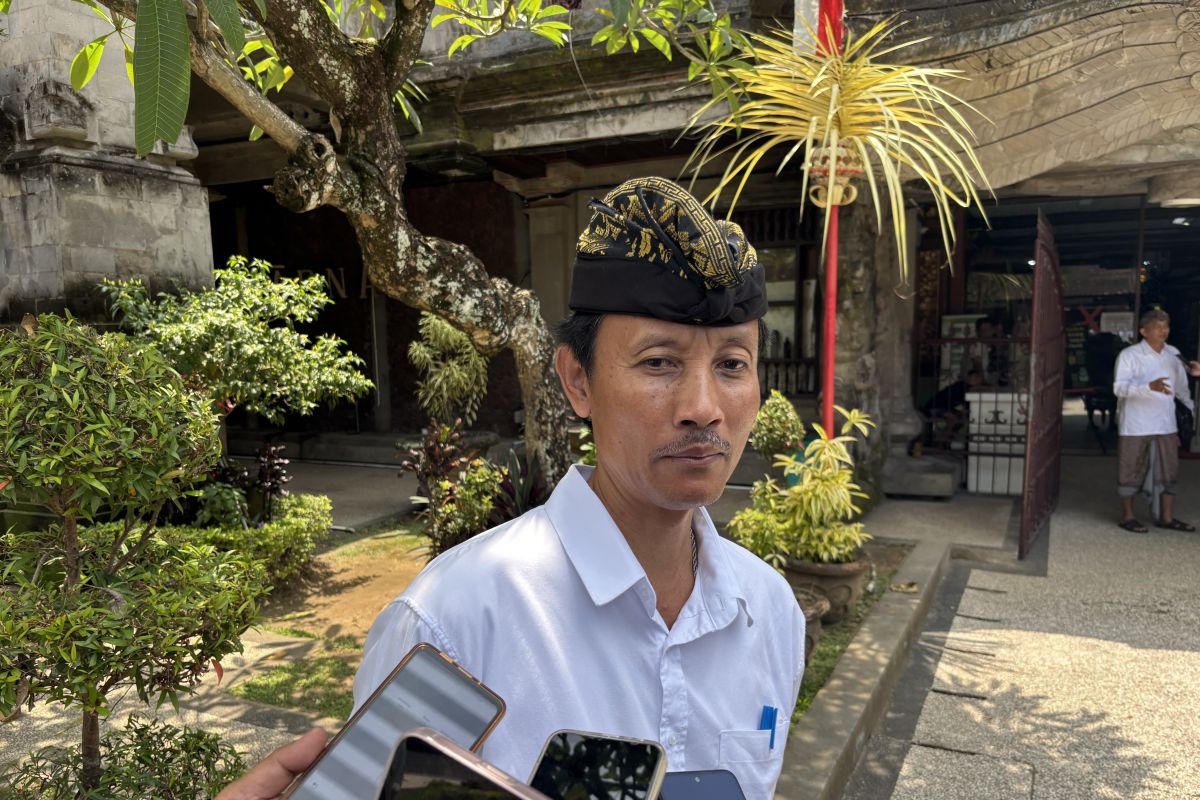
Denpasar (ANTARA) - The Bali Provincial Government (Pemprov Bali) has officially begun prohibiting the disposal of organic waste at the Suwung Final Disposal Site (TPA) effective from 1 April 2026. “Pemprov Bali is accelerating the strengthening of source-based waste management systems as a follow-up to the directives from the Minister of Environment in connection with the adjustment of operations at TPA Suwung, effective from 1 April 2026,” said the Head of the Forestry and Environmental Agency (DKLH) of Bali, I Made Dwi Arbani, in Denpasar on Wednesday. Dwi Arbani explained that the operational adjustment in question involves restricting organic waste and only accepting inorganic waste or residue. The directive emphasises the importance of stopping open dumping practices and reducing waste, particularly organic waste, which must be addressed at the source. Under this policy, waste management is directed to be carried out earlier at the household and area levels, so that TPA Suwung in the future will focus on handling residual waste. The Head of DKLH Bali stated that the step to ban the entry of organic waste is taken in response to the high composition of organic waste in Bali, which reaches 65% of the total waste generated, with characteristics of high moisture content. “So far, organic waste has dominated the waste input at the TPA; this condition has the potential to generate flammable methane gas, unpleasant odours, environmental pollution from leachate, and accelerate the filling of the TPA,” he said. Through this directive, Pemprov Bali encourages organic waste such as food scraps, kitchen waste, leaves, twigs, and ceremonial waste to be managed directly at the source using simple and practical methods. Dwi Arbani said that the Denpasar City Government and Badung Regency Government have taken various concrete steps to strengthen readiness on the ground. Likewise, the Denpasar City Government is strengthening village- and subdistrict-based waste management through 23 TPS3R units with a processing capacity of around 72.83 tonnes per day. “In addition, 5,002 waste processing facilities have been distributed to the community, including 253 composter bins, as well as the development of 283 modern teba units and 177 processing tube units,” he said. DKLH Bali noted that preparations by district/city governments have shown regional readiness in supporting the directive through gradual reduction of the TPA’s burden. “This is an adjustment process towards a more independent and sustainable waste management system, while also supporting national policies,” he said. Dwi Arbani conveyed that organic waste actually has utility value if managed properly. Through simple methods such as composter bags, composter bins, or modern teba, the community can process organic waste into compost to enrich the soil, improve soil structure, increase water absorption capacity, and support plant growth. In addition, this processing also contributes to reducing the volume of waste entering the TPA and encourages the implementation of circular economy and zero waste concepts at the community level. “We continue to provide guidance so that this process runs gradually and does not burden anyone; this is a collective effort,” he said.