
Bali, NTB, and NTT Forecast to Hit Peak of Dry Season in August 2026
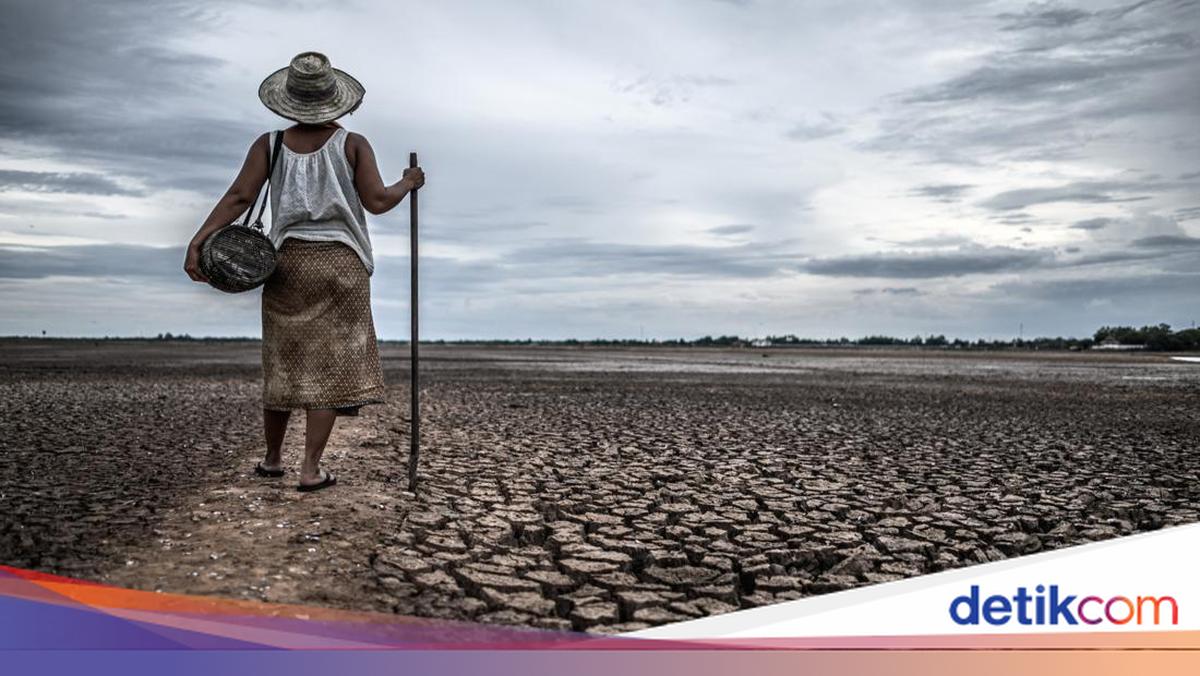
The Bali and Nusa Tenggara regions are forecast to enter the peak of the dry season in August 2026, according to the Indonesian Meteorology, Climatology, and Geophysics Agency (BMKG). The agency warns that daytime heat could rise even as certain areas may still receive rainfall in the coming weeks.
DetikEdu reports that based on BMKG’s 2026 Dry Season Prediction, about 61.4 percent of Indonesia or 429 Dry Season Zones (ZOM) are expected to reach the peak of the dry season in August 2026. The zones include Bali, West Nusa Tenggara (NTB), parts of East Nusa Tenggara (NTT), central to eastern Java, much of Kalimantan, Sulawesi, Maluku, and Papua.
Earlier BMKG had noted that this year’s dry season arrived earlier than usual. By May 2026, 184 ZOM (roughly 26.3 percent of the country) had entered the dry season; this figure was projected to rise in June (163 ZOM) and continue into July (63 ZOM).
From the BMKG release of the Indonesian Dry Season Prediction 2026, issued on 20 May 2026, the following details are provided about the peak season:
When will the 2026 Dry Season peak occur?
As previously stated, July 2026 marks the onset of the peak of the 2026 dry season. The peak is expected to persist through August and September. In general, a large portion of Indonesia is forecast to experience the peak in August 2026, with the August peak covering 429 ZOM (61.4 percent) – likely making August the hottest month in many regions.
The breakdown by month is as follows:
July: 88 ZOM (12.6%) in the RI at the peak of the dry season
Part of Sumatra
Small parts of Java
Small parts of Nusa Tenggara
Central and northern Kalimantan
Northern West Sulawesi
Western Central Sulawesi
Western North Sulawesi
Small parts of Maluku
Central Papua and West Papua
Eastern Papua
August: 429 ZOM (61.4%) in the RI at the peak of the dry season
Central and southern Sumatra
Central to eastern Java
Bali
West Nusa Tenggara (NTB)
Parts of East Nusa Tenggara (NTT)
Most of Kalimantan
Most of Sulawesi
Parts of Maluku
North Maluku
Parts of Papua
September: 100 ZOM (14.3%) in the RI at the peak of the dry season
Parts of Lampung
Small parts of Java
Most of East Nusa Tenggara
Northern and eastern Sulawesi
Much of North Maluku
Parts of Maluku
Small parts of Papua
BMKG’s measures to face the 2026 dry season
BMKG has prepared a range of anticipatory steps to address the potential 2026 dry season and the risk of forest and land fires (karhutla):
- Development of Weather and Climate Forecasting Services
BMKG Secretary-General Guswanto emphasised that readiness to face the dry season must be advanced, data-based, with accurate climate forecasts. The agency is therefore developing weather and climate forecasting services to support decision-making by regional governments and technical sectors. He noted that BMKG’s forecasting services are now able to provide information down to village and urban ward levels.
Co-chair of the Weather Modification division, Acting Deputy for Meteorology Andri Ramdhani added that BMKG continues to strengthen weather monitoring with radar and nowcasting-based forecast systems, increasing the accuracy of information on extreme weather and heavy rainfall. “Forecast information is already available at the village level. If you look at the app, it can be per district or per village; we are striving to make forecasting accurate,” Andri said. He also noted climate information services will be delivered in an accessible way, so communities can widely utilise weather and climate information.
- Weather Modification Operations (OMC)
In addition to forecasting, BMKG will also implement coordinated Weather Modification Operations (OMC). OMC will be supported by accurate weather forecasts to make execution more effective. Deputy for Weather Modification at BMKG Tri Handoko Seto said OMC will be carried out as needed in the field, with BMKG monitoring the evolving weather conditions in target areas before implementing OMC.
- Information Dissemination
BMKG will strengthen its information dissemination systems for weather and climate to the public, particularly to vulnerable groups and sectors affected, such as agriculture, transport, and water resources management. “Early warning information is expected not to stop at the institutional level but to be translated into proactive steps on the ground,” BMKG stated.
Dry season but still raining
Despite entering the dry season, Deputy for Climatology Ardhasena Sopaheluwakan explained that from 18–24 May 2026, most of Indonesia still has potential for light to moderate rain, with some areas needing to watch for heavy rain. Areas flagged for potential heavy rain include:
Bangka Belitung Islands
West Java
West Nusa Tenggara (NTB)
East Nusa Tenggara (NTT)
North Kalimantan
Sulawesi
North Maluku
Highland Papua