
Bali KPU Provides Voter Education to 45,399 Students Through 'Goes to School' Programme
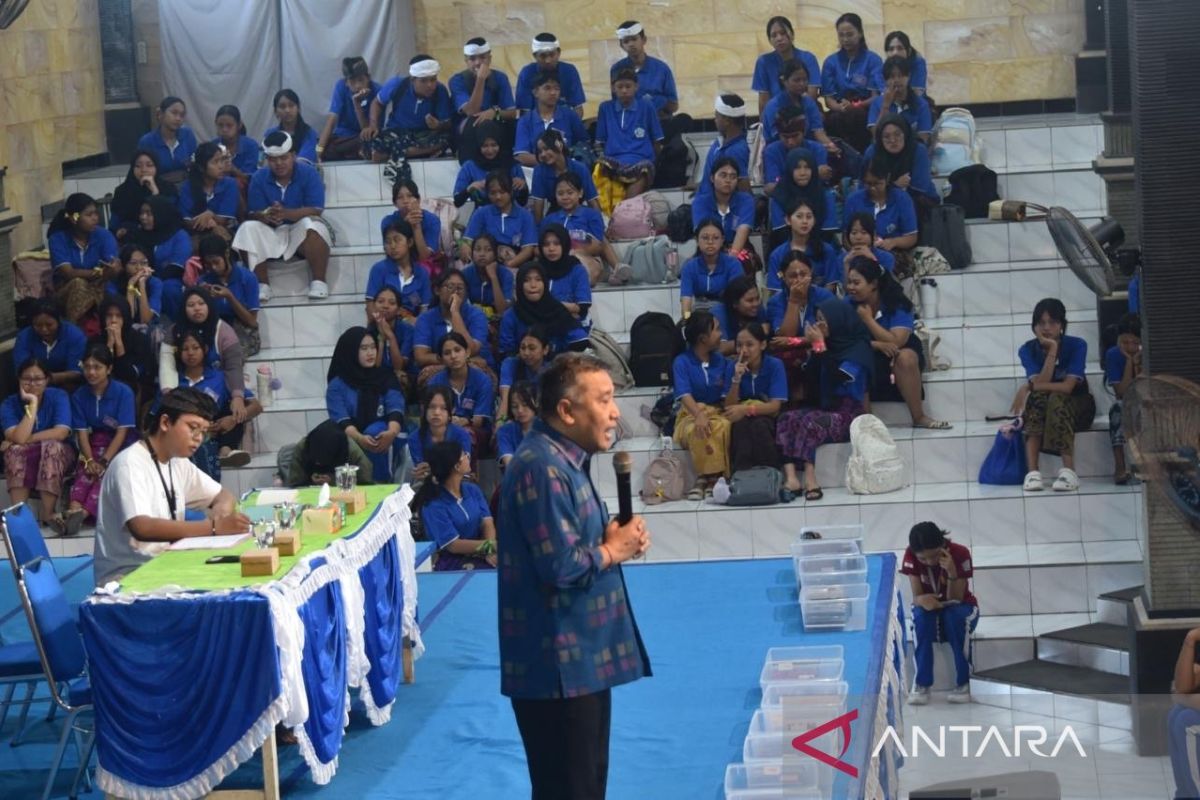
Some 45,399 students in Bali have received education as first-time voters through the KPU Goes to School programme run by the Bali General Election Commission (KPU).
“KPU offices across Bali’s regencies and cities successfully reached 45,399 students through the KPU Goes to School programme. The activities carried out in July 2026 form part of voter education and democratic literacy socialisation targeting first-time voters at senior secondary schools (SMA), vocational schools (SMK) and special needs schools (SLB),” said KPU Bali chairman I Dewa Agung Gede Lidartawan.
Speaking in Denpasar on Tuesday, Lidartawan said most of the first-time voter education was delivered as part of the School Environment Introduction Period (MPLS) held last July.
“This achievement demonstrates the expansion of voter education for first-time voters, which will continue to be implemented in stages across all regencies and cities in Bali,” he said.
Through KPU Goes to School, KPU Bali and its offices in the regencies and cities provided an understanding of democracy and elections, encouraging young people to speak up, care about their surroundings, and instil the spirit that democracy begins with oneself.
Lidartawan said student enthusiasm during the activities was very high, with Generation Z showing great curiosity about democracy, electoral administration, and their role as first-time voters.
Through the programme, KPU Bali hopes students will be well prepared to make their choices once they meet the requirements to vote, so that their decisions at the ballot box can produce the best leaders.
As for the organisers, Lidartawan viewed the success of KPU Goes to School as demonstrating the strong commitment of KPU offices in the regencies and cities to providing voter education to the younger generation, even though the activities were carried out without dedicated budgetary support.
He expressed hope that the programme would continue as an investment in democracy to produce young voters who are intelligent, critical and responsible in facing future elections.