
Bali Health Office States 31 Percent of HIV Cases Contributed by Non-Residents
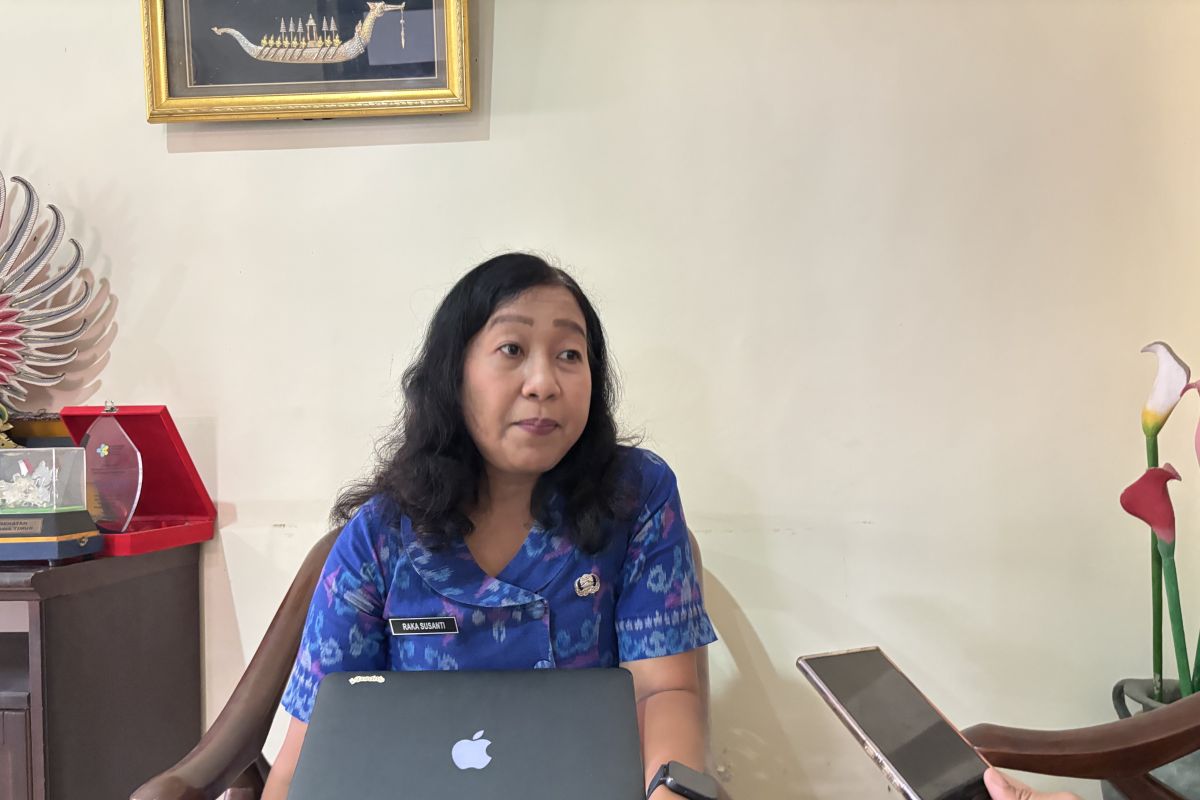
Denpasar (ANTARA) - The Bali Health Office states that around 31 percent of the total HIV/AIDS cases throughout 2025 are contributed by residents without Bali ID cards and foreigners.
“HIV cases are high in Bali because the data includes every patient accessing treatment, and in reality, many patients from outside Bali Province access treatment here—31 percent from outside Bali,” said the Head of the Prevention and Disease Control Division of the Bali Health Office, I Gusti Ayu Raka Susanti.
Raka Susanti, in Denpasar on Tuesday, conveyed this to clarify Bali’s entry as the ninth province with the most HIV/AIDS cases in Indonesia, which appears disproportionately high when compared to the number of Bali residents with ID cards.
“Yes, it’s not accurate to compare because many access services from outside Bali. Perhaps they do not want to be known in their own areas, so that’s one factor; there are also foreigners in Bali, and from other provinces,” said Raka Susanti.
Additionally, treatment services are a factor, as the Bali Health Office ensures all community health centres and hospitals can provide services and medication, further supported by foundations that mobilise patients.
“Yes, we collaborate with foundations; they mobilise patients from case findings, provide accompaniment, and bring them to health facilities. Then, access to treatment is available at all community health centres, and the regional general hospital is ready for examinations and medication provision,” she said.
Besides not all HIV/AIDS cases in Bali affecting Bali residents, she continued, there are cases where patients did not contract the virus in Bali; they were already positive from other areas but obtain medication in Bali Province.
“Patients who access and undergo examinations here, where cases are found here, or just get treatment here—their data enters our system, no matter where they are from. There are also many foreigners accessing medication here, because the medication distribution is from the central government, so the amount we use must match the number of patients,” said Raka Susanti.
The Bali Health Office does not restrict access to treatment for HIV/AIDS sufferers, as the central government also targets finding 27,081 cases, while in Bali the total number of sufferers is currently 14,314 people.
Nevertheless, the Bali Provincial Government continues to strive to suppress case spread, such as the easiest method: preventing transfusions with HIV-positive patients, intensifying screening, and providing medication.
Meanwhile, for potential spread through sexual relations, the Bali Health Office can only continuously remind the public to avoid sexual contact with positive patients, not to change partners frequently, and to use protection during intercourse.
“If, for example, HIV patients must take medication for life and undergo viral load examinations to know the virus condition in their body—that’s the key to not transmitting to their partners, and the public should not stigmatise patients so they can be open,” stated Raka Susanti.
Source: jawawa.id (https://jawawa.id/newsitem/bali-health-office-states-31-percent-of-hiv-cases-contributed-by-non-residents-1776768731)
Originally published by Antara (Indonesian) (https://www.antaranews.com/berita/5535664/dinkes-bali-sebut-31-persen-kasus-hiv-disumbang-warga-luar), translated from Indonesian