
Bali Hastens Infrastructure Improvements, Traffic Jams and Erosion in the Spotlight
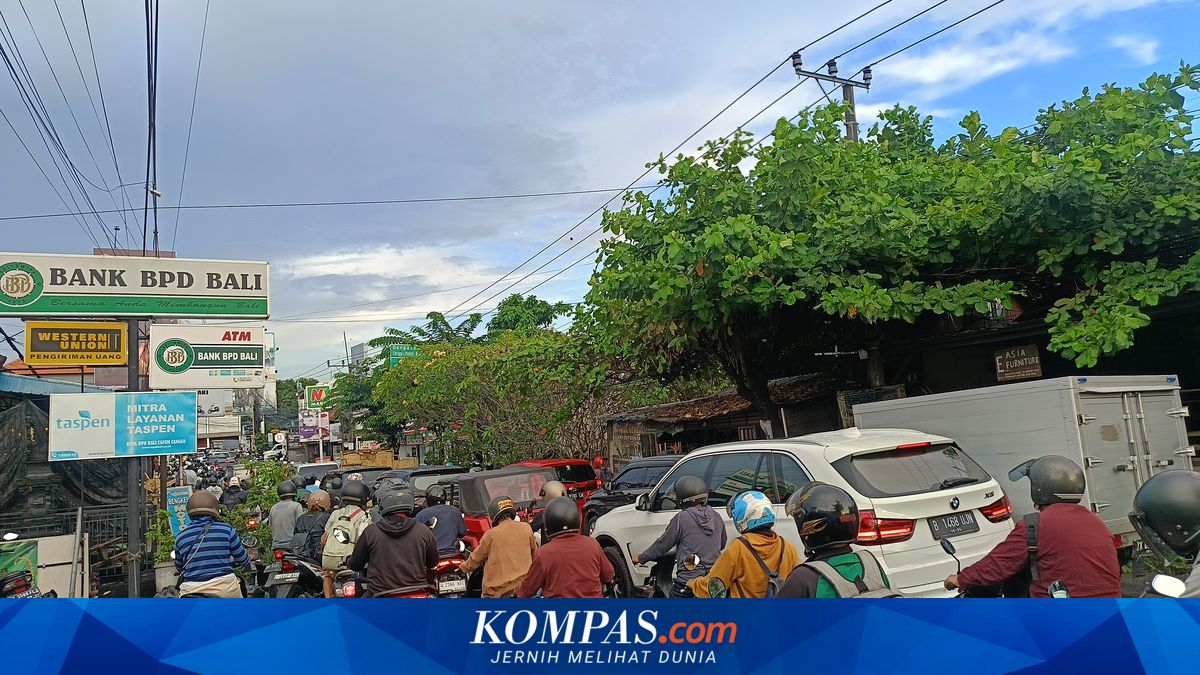
The government is accelerating infrastructure improvements in Bali, targeting transportation issues and increasing environmental pressures that have become more apparent in recent times. These efforts aim to maintain the competitiveness of tourism while addressing classic problems that have resurfaced, particularly severe congestion during the 2026 Lebaran homecoming rush, which coincides with Nyepi Day. On the other hand, beach erosion and flooding due to high rainfall also pose serious challenges because of inadequate infrastructure capacity. “The estimated budget required for the initial investment component is Rp 1.21 trillion, and to ensure safety in the classified extreme waters, wave breakers or breakwaters are needed,” said Dudy during a working meeting with Commission V of the DPR RI on Wednesday (8/4/2026). The water taxi is designed to connect Ngurah Rai Airport with the tourist area of Canggu, which has long been prone to traffic jams. If the land journey takes one to two hours, this sea mode of transport is targeted to cut the travel time to around 30 minutes. “With the water taxi, the travel time from the airport to Canggu is expected to be a maximum of 30 minutes,” said Dudy. This project is targeted to run from January 2026 to July 2027, with PT ASDP Indonesia Ferry currently preparing the Detailed Engineering Design (DED) study. Not only that, the government is also preparing anticipatory measures for density on the Ketapang-Gilimanuk route. Dudy emphasised that the current capacity is no longer adequate to accommodate heavy and light vehicles simultaneously. “We can no longer combine heavy and light vehicles, because the port and road capacities are no longer sufficient,” he said. As a solution, the government will add a pier in Ketapang, prepare an alternative port in Gilimanuk, and provide a buffer zone to accommodate vehicles. Chairman of Commission V of the DPR RI, Lasarus, emphasised that improvements must be accelerated so that this recurring problem does not continue to occur. “The Ketapang-Gilimanuk route must be resolved. This must also be supported by Bina Marga because access roads to the port are certainly related,” said Lasarus.