
Bali BPBD Considers Campus-Innovated Healthy Menus as Disaster Aid Option
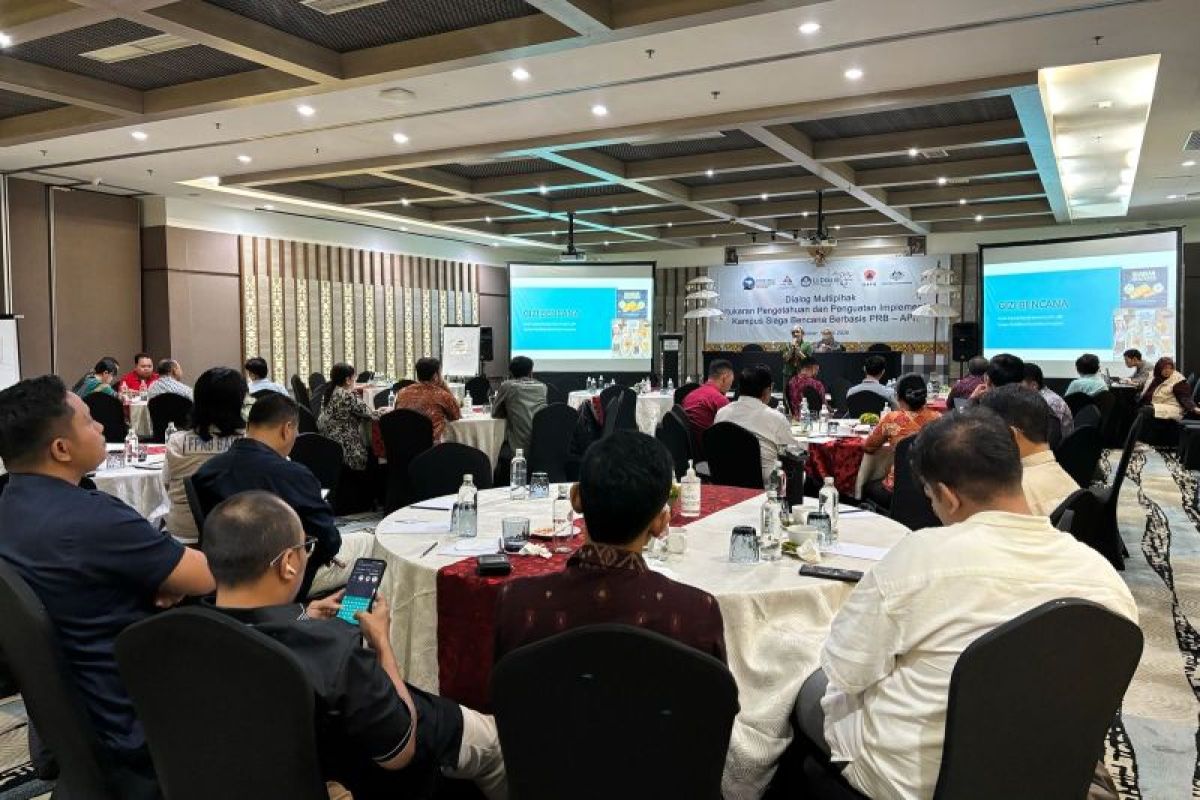
“That can later become one of the products that could be an option for us at BPBD Bali for providing logistics when a disaster occurs.”
Denpasar (ANTARA) — The Regional Disaster Management Agency (BPBD) of Bali is adopting healthy menus developed through university innovation as an option for logistical assistance during disasters.
“That can later become one of the products that could be an option for us at BPBD Bali for providing logistics when a disaster occurs,” said Ida Bagus Gede Widnyana, Head of Prevention and Preparedness at BPBD Bali, in Denpasar on Thursday.
The disaster-era healthy menus were born from research by the Denpasar Health Polytechnic of the Ministry of Health, calculated according to the nutritional requirements of each age group. BPBD Bali is encouraging the healthy menus to be swiftly launched as commercially available, patented products so they can be produced in large quantities.
“We greatly appreciate this research innovation because it can help improve services in meeting basic needs, particularly food, when a disaster occurs — not only in terms of quantity, but also nutritional quality. So hopefully it can continue to develop in line with the need for nutritious food that can support health standards,” said Widnyana.
“This healthy menu for disasters is new knowledge that can be replicated by other universities. Going forward, activities such as the Thematic Community Service Programme (KKN Tematik) can further strengthen synergy between the academic world and disaster risk reduction,” he said.
Meanwhile, Anak Agung Nanak Antarini, a lecturer and researcher at the Denpasar Health Polytechnic, explained that the healthy menus were based on the nutritional needs of disaster victims, grounded in the understanding that each age group has different nutritional requirements.
As such, the menus were designed not only with disaster emergency conditions in mind, but also the specific needs of children, teenagers, adults and the elderly.
For example, disaster nutrition for infants aged 0–6 months prioritises exclusive breastfeeding without formula milk unless medically indicated. For infants aged 6–24 months, complementary foods (MPASI) should contain energy, protein, vitamins and minerals with a recommended nutrient intake (AKG) of 1,000 kcal, while for toddlers, products such as fortified biscuits, ready-to-eat meals, UHT milk and fortified instant porridge should provide an AKG of 1,350 kcal.
For adults, options include ready-to-eat meals, canned side dishes and instant noodles supplemented with protein, with an AKG of 1,900–2,250 kcal for women and 2,400–2,650 kcal for men.
Pregnant women should receive biscuit products, maternal milk and blood-boosting tablets containing energy, protein, iron, folic acid, calcium and vitamins. Meanwhile, the elderly can be given instant porridge, high-calcium milk, soft ready-to-eat meals and high-energy biscuits with an AKG of 1,800 kcal.