
Bali accelerates protection of productive land through LP2B data collection
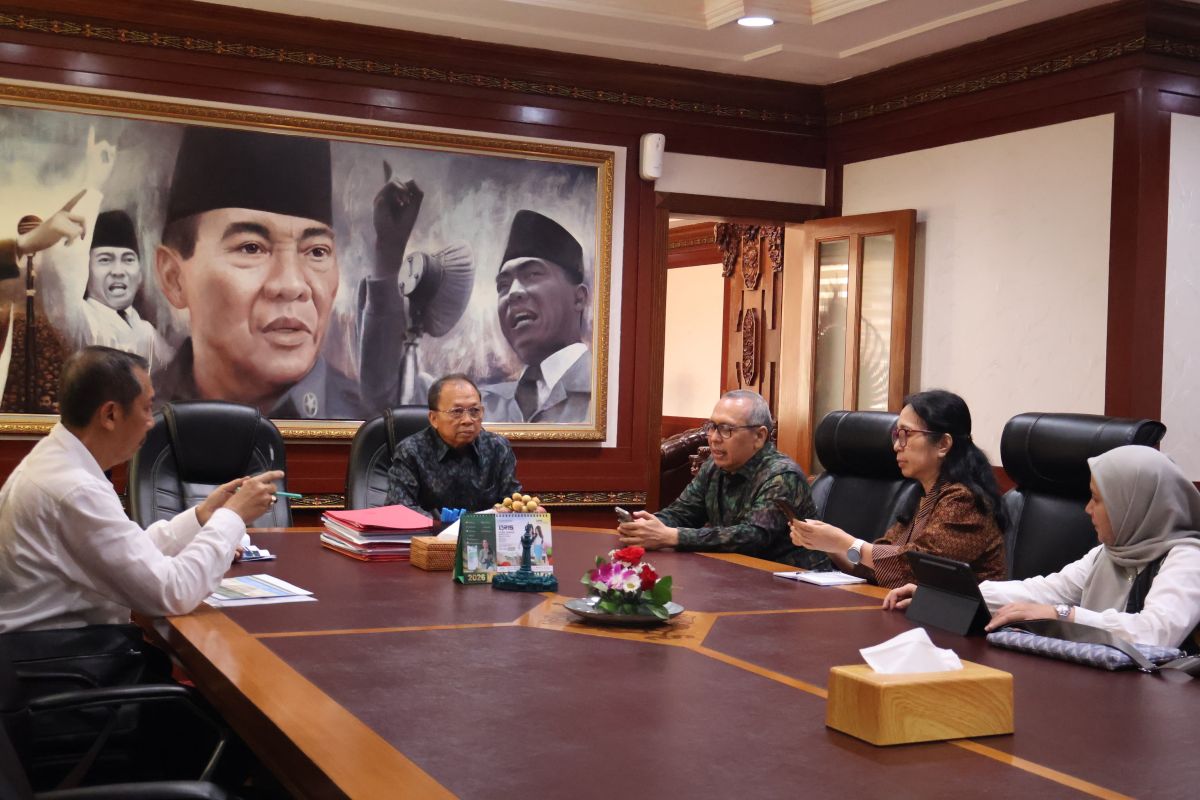
Denpasar (ANTARA) - The Bali Provincial Government is accelerating the protection of productive agricultural land through the mapping of Sustainable Food Agricultural Land (LP2B).
“The Bali Provincial Government is committed to accelerating the protection of productive agricultural land through the mapping and designation of LP2B across all regencies and cities in Bali,” said Bali Governor Wayan Koster in a statement in Denpasar on Tuesday.
The commitment was conveyed during a meeting with the Director General of Spatial Planning at the Ministry of Agrarian Affairs and Spatial Planning/National Land Agency (ATR/BPN), Suyus Windayana, in which Koster expressed full support for accelerating LP2B mapping as a strategic step to safeguard food security whilst controlling the pace of land conversion, which has become a serious challenge in Bali.
“We protect our productive land and fully support it with infrastructure strengthening,” said Governor Koster.
The regulations concerned are Bali Provincial Regional Regulation Number 4 of 2026 on the Control of Productive Land Conversion and the Prohibition of Nominee Land Ownership, and Bali Provincial Regional Regulation Number 2 of 2023 on the Bali Provincial Spatial Plan (RTRW) 2023–2043, which serves as the guideline for sustainable regional development.
“We also have a regional regulation to protect productive land — no permits will be issued for investment on it. The province is also providing incentives to ensure productive land is not built on. Tourism facilities or other developments are permitted, as long as they are not on productive land, and this is already underway in Bali,” he said.
According to Koster, the policy is a step consistent with the direction of Bali’s future development, namely maintaining a balance between economic growth, environmental preservation, and the sustainability of the agricultural sector as the foundation of Balinese culture and community life.