
BAKTI's various methods beyond SATRIA 1 to provide connectivity for 3T communities
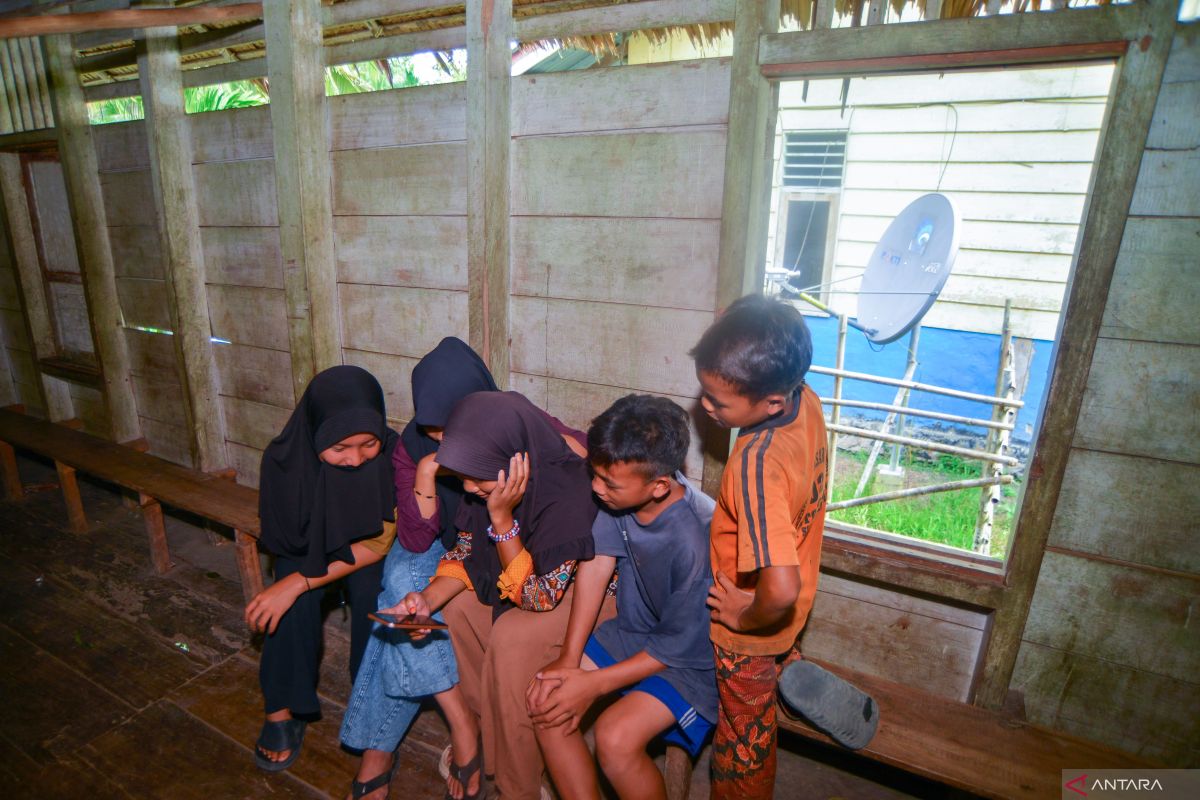
The Telecommunication and Information Accessibility Agency of the Ministry of Communication and Digital Affairs (BAKTI Kemkomdigi) has detailed various methods for providing digital connectivity to communities in the 3T (tertinggal, terdepan, dan terluar - remote, frontier, and outermost) regions, beyond utilising the SATRIA 1 satellite. The digital infrastructure active in 2026 and managed by BAKTI, aside from SATRIA 1, includes Base Transceiver Stations (BTS), internet access (AI), and the Palapa Ring backbone network. “Overall, the integration of BTS, internet access, and the Palapa Ring backbone network serves as the main pillar of the national digital ecosystem, in addition to the capacity provided by the SATRIA 1 satellite,” said BAKTI Kemkomdigi President Director Fadhillah Mathar on Thursday. Examining the services managed by BAKTI specifically, data as of 5 June 2026 recorded a total of 6,747 BTS locations managed by BAKTI to provide connectivity for communities in 3T areas. Of that number, 5,514 4G BTS have been built by BAKTI and all are now on air to ensure cellular signal coverage in remote regions. In addition to BTS, there is also Internet Access (AI) powered by non-SATRIA 1 services. According to the official, Internet Access based on BAKTI data as of 5 June 2026 is now present in 61 locations. When these Internet Access services are combined with those powered by SATRIA 1, the total satellite-powered connectivity services managed by BAKTI reaches more than 31,000 points. “Besides utilising SATRIA 1 which serves 31,803 locations, BAKTI also provides Non-SATRIA Internet Access at 61 locations. The Internet Access programme has in total reached 31,864 public service locations such as schools, community health centres, and government offices,” she said. Lastly, there is the Palapa Ring backbone network, which provides fibre optic (FO) cable and microwave networks and is capable of connecting various regions of Indonesia through 131 locations. The West Package is known to have a capacity of 216 Gbps with a utilisation rate of 72 percent. Meanwhile, the Central Package has a capacity of 290 Gbps with a utilisation rate of 48.33 percent. The East Package is particularly interesting as it consists of two networks: a capacity of 338 Gbps for the fibre optic network with 42.3 percent utilisation, and 5.05 Gbps for the microwave network with utilisation reaching 95.45 percent. With the existing digital infrastructure, BAKTI aims going forward not only to provide connectivity but also to improve the quality of its services to communities in areas not served by commercial telecommunications.