
BAKTI Deploys Strategy to Provide Telecommunications Access Across All Regions, Including Papua
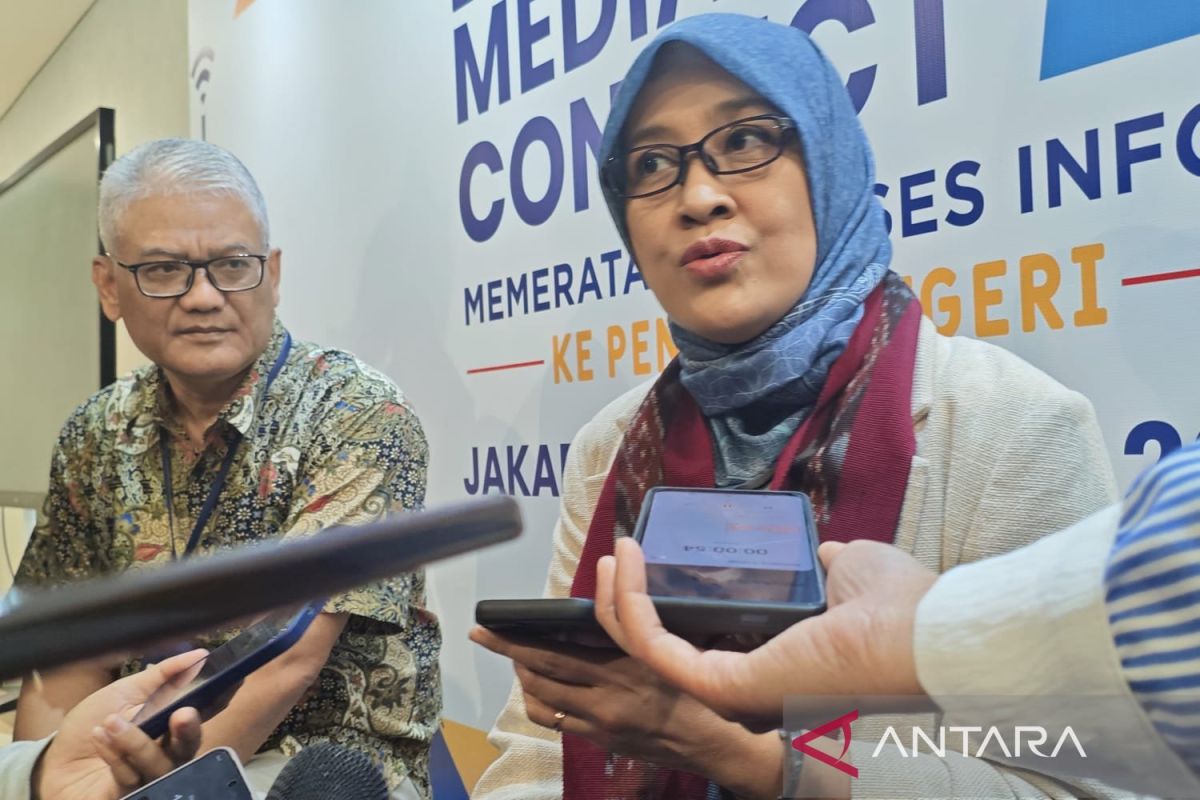
The Telecommunications and Information Accessibility Agency (BAKTI) of the Ministry of Communication and Digital Affairs is implementing several strategies to provide telecommunications services evenly across all regions, including areas in Papua that are not yet reached by telecommunications networks.
BAKTI President Director Fadhilah Mathar said that almost 98 percent of the approximately 83,000 villages and sub-districts in Indonesia are now covered by telecommunications networks.
“There are still around 2,000 villages that have not been covered,” Fadhilah said after the Bakti Media Connect 2026 event in Jakarta on Wednesday.
Fadhilah said that the areas that remain without telecommunications coverage are mostly located in Papua.
BAKTI has recorded that around 700 settlement points in Papua still cannot enjoy internet access.
Telecommunications infrastructure development such as Base Transceiver Stations (BTS) has been carried out in a number of locations in Papua, but some of the processes have been hampered by security issues.
To accelerate the provision of telecommunications facilities in the region, BAKTI will relocate telecommunications infrastructure development from less secure locations to safer places in coordination with security forces and relevant stakeholders.
“Especially for areas where infrastructure already exists, how do we continue it. The process actually just involves moving materials from our warehouse in Jayapura to the destination location, for example to Intan Jaya, then we activate it on-air in cooperation with mobile operators,” Fadhilah explained.
Fadhilah said that this strategy is applied when regional conditions allow private mobile operators to take over the provision and management of services or adjust operations when network usage levels are very low.
“Many areas have already been exited. There are several hundred areas that have now been exited, including in East Nusa Tenggara,” he said, referring to the implementation of an exit strategy in the provision of telecommunications access services.