
Bakti BCA Monitors Javan Leopards Using 160 Camera Traps
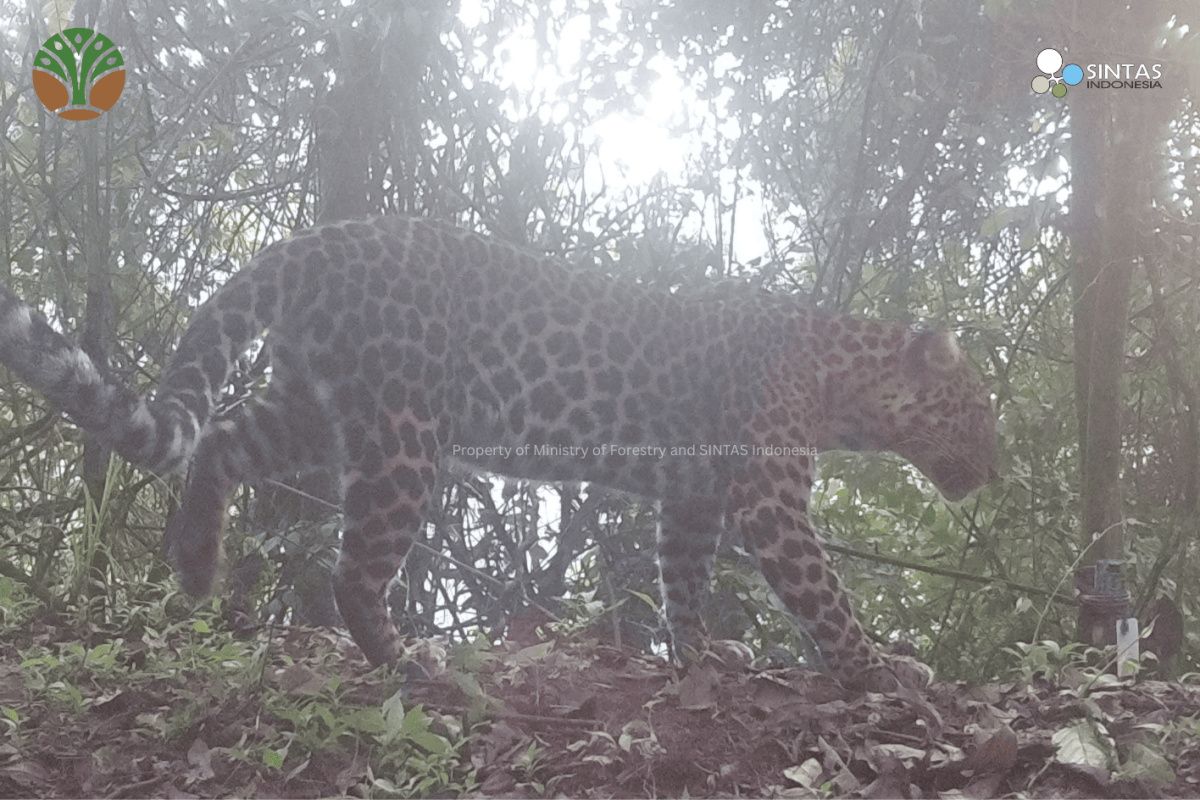
Jakarta (ANTARA) – Bakti BCA, together with the Ministry of Forestry, the Bromo Tengger Semeru National Park Office (BBTNBTS) and the SINTAS Indonesia Foundation, is continuing to monitor Javan leopards using 160 camera traps. The survey aims to determine their range and the availability of natural prey.
BCA Executive Vice-President for Corporate Communication and Social Responsibility Hera F Haryn said National Flora and Fauna Love Day provided an opportunity to encourage the public to care more about Indonesia’s rare wildlife, including the Javan leopard, whose survival still faces various threats.
“Conserving the Javan leopard cannot be separated from protecting the forest ecosystem as a whole,” Hera said in a statement in Jakarta on Friday.
According to her, an analysis conducted in August 2026 found that camera traps installed in the national park had identified 19 individual Javan leopards through March 2026: seven males, 10 females and two cubs.
Each image captured helps researchers address major questions about the population, the animals’ range and the availability of the natural prey that sustains this apex predator, which is endemic to Java.
“As an apex predator, its presence is a vital indicator of the health of forests, which support water systems and biodiversity. Through our Bakti Lingkungan pillar, we support this scientific research to ensure that every conservation intervention is based on data and conditions on the ground,” she said.
From January 2024 to August 2026, Javan leopards were detected at 46 camera-trap stations, or 58 per cent of all monitoring points. Most detections were recorded in relatively well-preserved forest areas.
In addition to collecting camera images, the research team gathered 44 Javan leopard scat samples for DNA testing.
Ummi Farikhah, field coordinator for the eastern region of the Java-Wide Leopard Survey (JWLS), said the survey had also recorded 46 animal species in Bromo Tengger Semeru, 26 of which are potential prey for the leopards.
“The availability of this natural food chain offers considerable hope for the survival of the Javan leopard. Habitat protection and restoration, regular population monitoring, stronger connectivity between habitats, and greater capacity among park managers to handle conflicts between people and Javan leopards also need to be prioritised,” she said.